
Breakfast looks harmless. An everything bagel, a muffin from the office kitchen, a roll at brunch. Then the mouth starts tingling. The lips feel strange. The throat seems tighter than it should. For some adults, that moment is the first clue that poppy seeds aren't just a garnish. They're a trigger.
That matters for more than allergy safety. Poppy seed exposure can also create stress in parts of life that seem unrelated to food, especially when someone is in addiction recovery, under monitoring, or working in a setting where opioid drug testing carries serious consequences. A food reaction is frightening on its own. Add concern about testing, documentation, and credibility, and the stakes climb fast.
Poppy seeds allergy is uncommon, but it isn't trivial. It can cause mouth symptoms, stomach symptoms, and full-body reactions. It can also be hard to identify because poppy seeds often appear in foods people don't think of as risky, including breads, dressings, and spice blends. The condition also overlaps with other allergies often enough that a narrow, one-food mindset can miss the bigger picture.
Clear information helps. So does a practical plan.
An Unexpected Reaction to a Common Food
A patient eats a lemon-poppy seed muffin before work, then spends the next hour wondering whether the itching in the mouth is nothing or the start of something serious. That uncertainty is common. Small ingredients are easy to dismiss, especially when they show up in ordinary foods people have eaten for years without much thought.
Poppy seed allergy can be easy to miss at first because the early signs may look mild. The reaction may begin with tingling of the lips, itching in the mouth, a scratchy throat, stomach upset, or hives. In some people, symptoms stay limited. In others, they progress quickly enough that waiting to see what happens is a risky choice.
That first reaction often gets written off as irritation from a crusty bagel, acid from a dressing, or a food that did not sit well. If you are trying to sort out whether a reaction sounds allergic or non-allergic, this essential guide to food allergy vs intolerance can help clarify the difference.
The stakes can be higher for people in addiction recovery.
Poppy seeds come from the same plant family associated with opiate compounds. An allergic reaction is the immediate medical problem, but it may not be the only one on a person's mind. Someone in a recovery program, sober living setting, professional monitoring program, or court-related treatment plan may also worry about how recent poppy seed exposure will be viewed if opioid testing becomes part of the conversation.
I have seen how fast this can turn into fear. A person is dealing with throat symptoms, hives, or vomiting, while also worrying that a food choice could create confusion about sobriety, compliance, or honesty. That stress is real, and it deserves a practical response, not judgment.
The best first step is to treat the reaction as a health issue and document it carefully. Save the food label if possible. Write down what was eaten, when symptoms started, and what happened next. For people receiving addiction treatment or recovery support through Zoe Behavioral Health, that kind of documentation can make later conversations with clinicians, case managers, or testing programs much clearer and more credible.
What Is a Poppy Seed Allergy
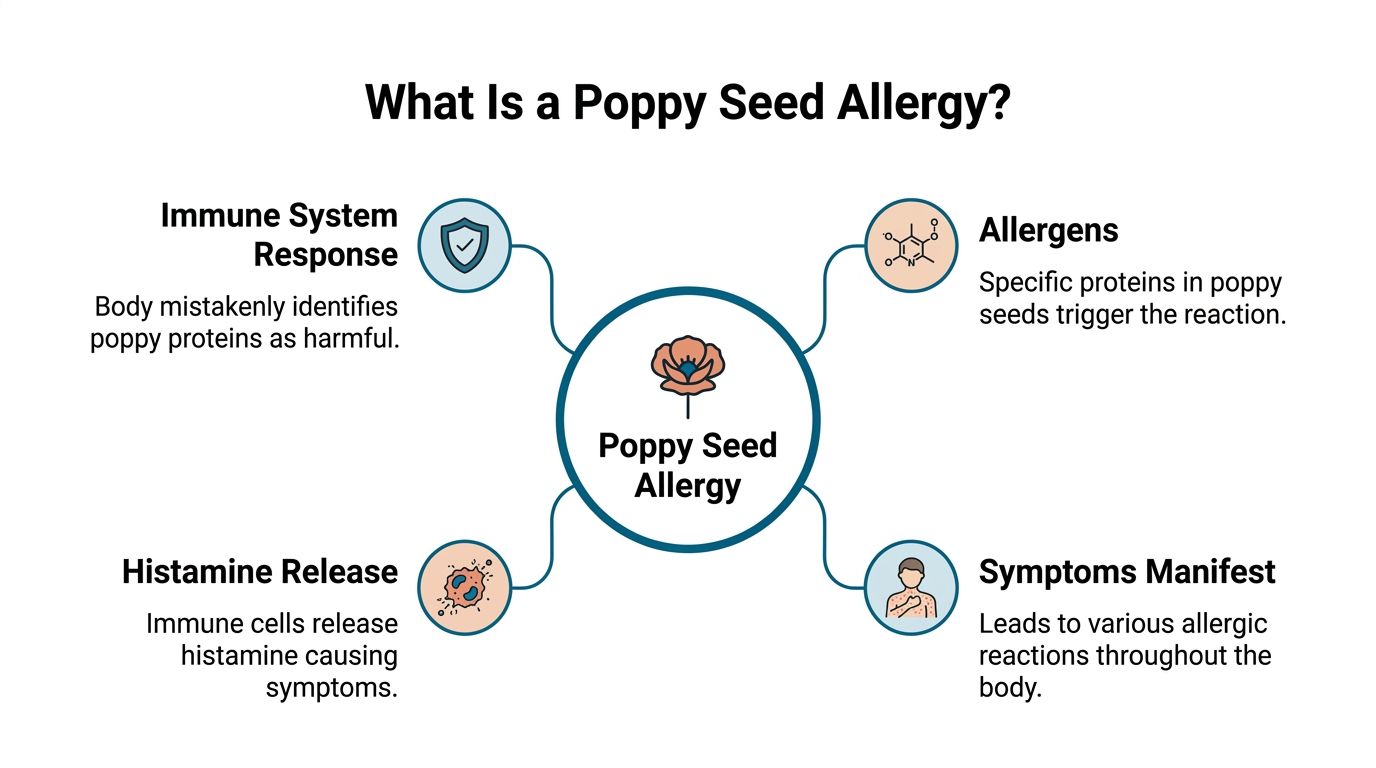
A poppy seed allergy is a true food allergy. The immune system identifies proteins in poppy seeds as harmful and produces IgE antibodies against them. On a later exposure, those antibodies can trigger mast cells and basophils to release histamine and other inflammatory chemicals. That is why symptoms can start quickly and can involve the skin, stomach, lungs, or circulation.
Several seed proteins appear to drive this reaction, and some overlap with proteins found in certain pollens and plant foods. In practice, that helps explain why a patient may react to poppy seeds even if they tolerated them for years, or why the reaction appears alongside seasonal allergy symptoms. The exact protein pattern matters most to the allergist, but for patients the practical point is simpler. This is an immune reaction, not just a food that was hard to digest.
Why people confuse allergy with intolerance
Patients commonly mix these up, especially after a first mild reaction. An intolerance usually causes digestive discomfort and does not involve IgE. A food allergy can start with itching in the mouth, hives, swelling, coughing, or vomiting and can become dangerous fast.
If you are still sorting out which pattern fits your experience, this essential guide to food allergy vs intolerance can help clarify the difference.
Why diagnosis is often delayed
Poppy seeds are easy to miss. They show up in breads, bagels, salad dressings, pastries, spice mixtures, and prepared foods that patients do not always remember to mention. Adults are also less likely to suspect a new food allergy, so the reaction gets blamed on reflux, stress, or a random stomach bug.
That delay matters more in recovery settings. If someone in treatment has a reaction after eating a poppy seed food, the concern is not only medical. They may also worry about how the exposure could be interpreted if opioid drug testing becomes part of the record. A clear diagnosis helps reduce that confusion. It gives the patient, treatment team, and testing program a documented medical explanation instead of a vague story after the fact.
A newer direction in testing
Molecular testing is improving how clinicians confirm poppy seed allergy. A recent allergy research summary describes alpha-hairpinin as a promising marker that may identify true clinical allergy more accurately than older extract-based approaches in some patients. That can help specialists decide who needs stricter avoidance, who may need an epinephrine prescription, and when an oral food challenge may or may not be appropriate.
For patients, the trade-off is straightforward. Better testing can provide clearer answers, but it still needs to be interpreted alongside the reaction history. A lab result alone does not replace a careful clinical evaluation.
Recognizing the Symptoms and Severity
A patient eats a poppy seed bagel on the way to work. Ten minutes later, the lips start to itch, the throat feels odd, and there is a temptation to explain it away as dry bread or stress. That is how this allergy is often underestimated.
Poppy seed reactions can begin in one place and spread fast. A person may first notice symptoms in the mouth, then develop hives, stomach pain, coughing, wheezing, or lightheadedness. Severity also varies from one exposure to the next, so a mild first episode does not guarantee the next one will stay mild.
Early signs that patients often dismiss
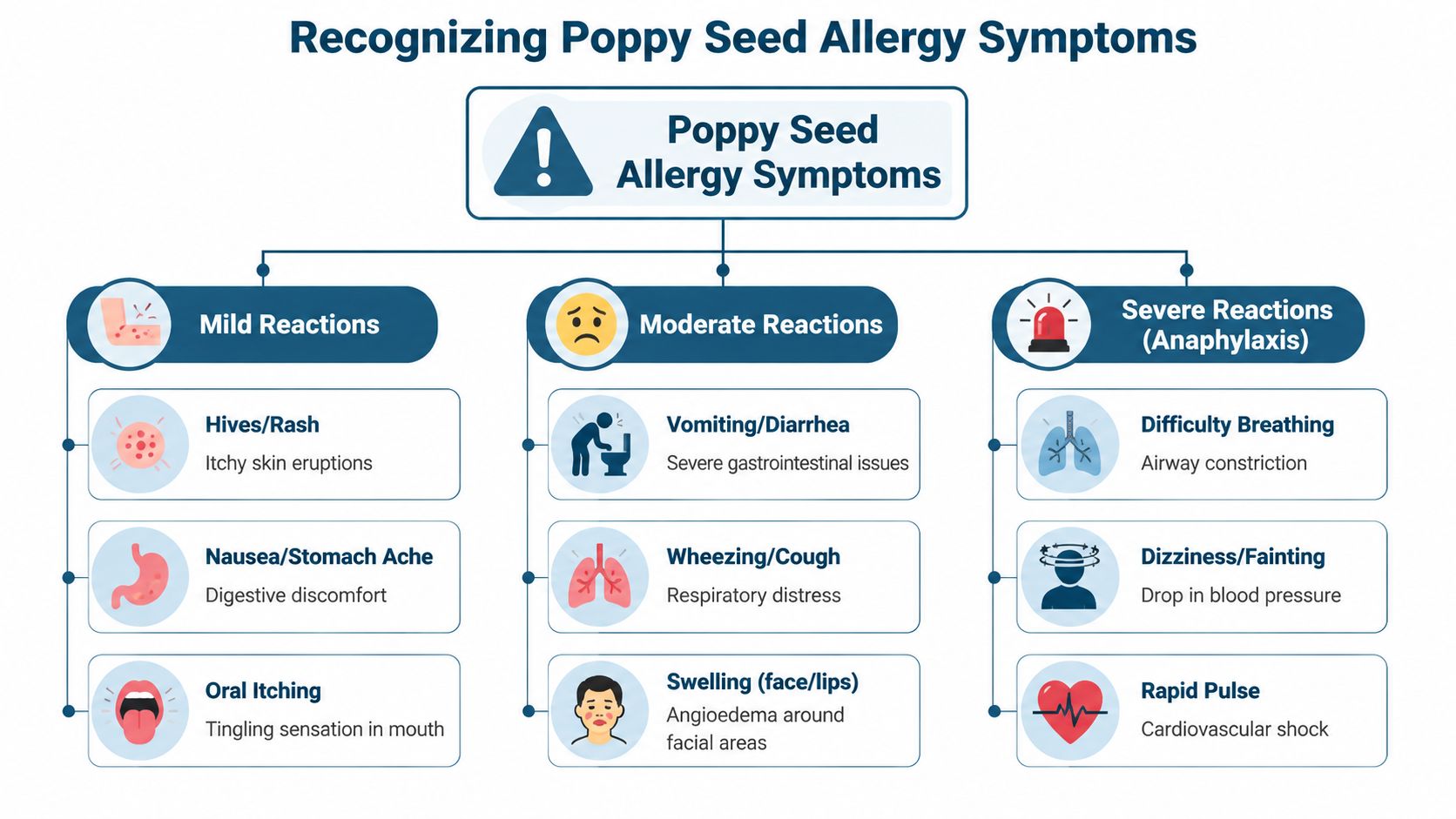
The first symptoms are often easy to miss. Itching or tingling of the lips, tongue, mouth, or throat may seem minor. Some patients describe a scratchy throat, mild swelling, or a feeling that something is "off" within minutes of eating.
Skin and digestive symptoms are also common early clues. Hives, flushing, nausea, cramping, or abdominal discomfort after a food with poppy seeds should be taken seriously, especially if the pattern repeats. In clinical practice, the repeat pattern matters as much as the intensity.
Common symptoms include:
- Mouth and throat symptoms such as itching, tingling, scratchiness, or mild swelling
- Skin symptoms such as hives, flushing, or swelling of the lips or face
- Digestive symptoms such as nausea, cramping, vomiting, or abdominal pain
- Breathing symptoms such as coughing, wheezing, chest tightness, or shortness of breath
For people in addiction recovery, documenting these symptoms has another benefit. If a reaction follows a food that contained poppy seeds, accurate notes about what was eaten and what happened can help prevent confusion later, especially in programs where medication questions and testing rules are strict. Concerns about prescribed treatment often overlap with recovery planning, and guidance on prescription drugs in recovery can help frame those conversations.
When the reaction becomes an emergency
Anaphylaxis is a medical emergency. Warning signs include throat swelling, trouble breathing, faintness, dizziness, rapidly spreading hives, repeated vomiting, or symptoms that involve more than one body system at once.
Use a simple rule. If poppy seed exposure is followed by breathing trouble, throat tightness, collapse, or fast progression of symptoms, call emergency services right away.
Airborne exposure can also trigger serious symptoms in some people. That is uncommon, but it matters for patients who react strongly around baking, grinding, or food preparation. A person with a history of significant reactions should not assume avoidance only matters at the dinner table.
A quick symptom guide
| Symptom pattern | What it may look like | What to do |
|---|---|---|
| Mild but suspicious | Tingling mouth, itchy lips, mild rash | Stop eating, monitor closely, document the food |
| Spreading reaction | Hives, stomach pain, facial swelling, cough | Seek urgent medical advice the same day |
| Severe reaction | Breathing trouble, throat tightness, dizziness, collapse | Call emergency services immediately |
The practical takeaway is straightforward. Early symptoms deserve attention, and severe symptoms deserve urgent care. For someone in recovery, taking a poppy seed reaction seriously protects both health and credibility.
Diagnosis Testing and Cross-Reactivity Risks
A good diagnosis starts with timing. What was eaten, how fast symptoms appeared, whether the reaction happened again, and whether other foods or pollens have caused trouble all shape the workup. An allergist usually builds the answer from history first, then uses testing to confirm what's clinically relevant.
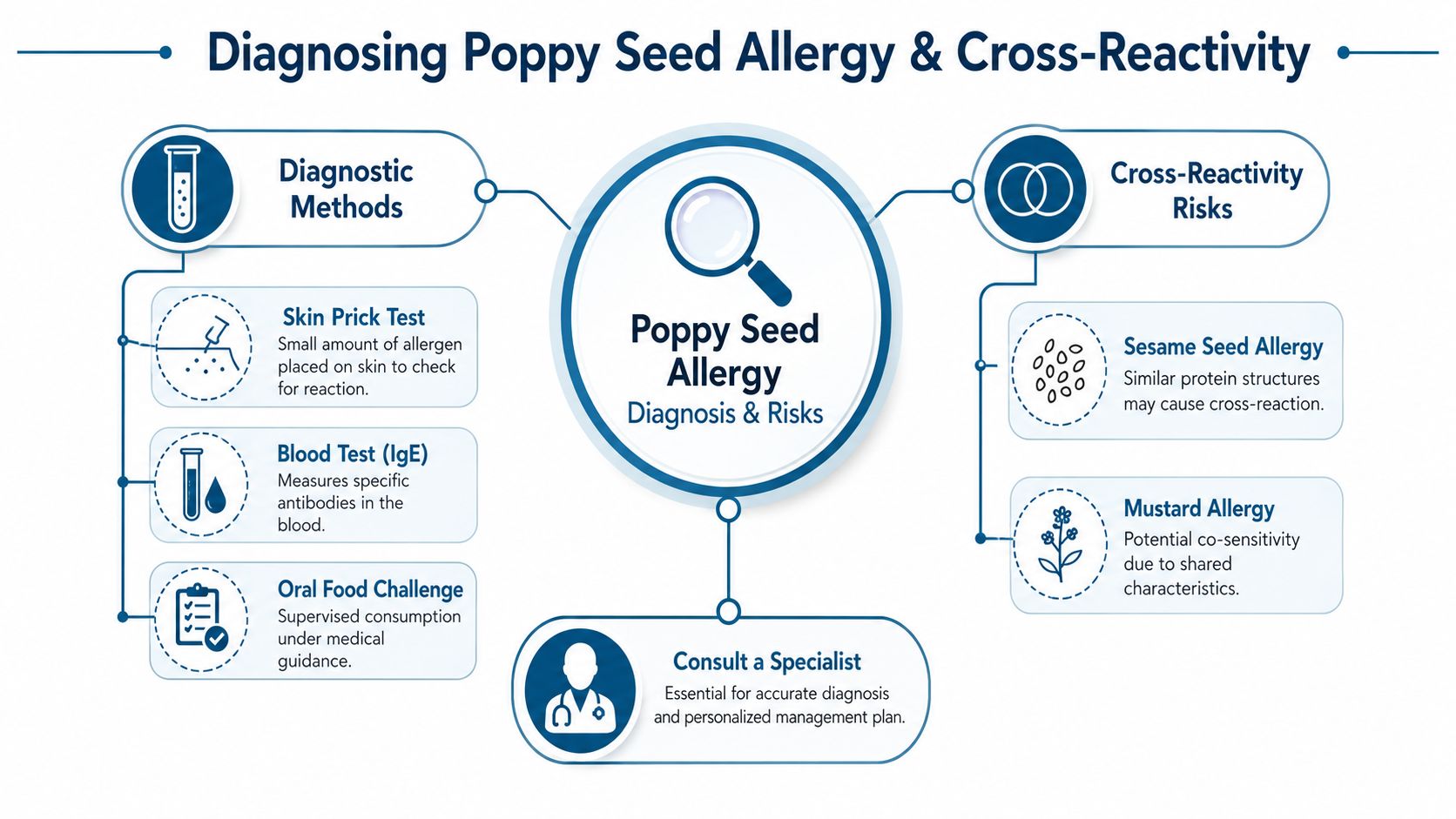
The standard path often includes skin testing, specific IgE blood testing, and in selected cases an oral food challenge performed under close supervision. That last step can be useful, but it isn't casual. It's done because the benefits of clarity outweigh the risk, and only in a setting prepared to treat a reaction.
What patients should bring to the appointment
A specialist can do much more with a clear history than with a vague memory. It helps to bring:
- A food timeline with the exact item eaten and how quickly symptoms began
- Ingredient details from labels, bakery menus, or restaurant orders
- Photos if available of rashes, swelling, or the food packaging
- A list of other allergies including pollens, nuts, seeds, or unexplained reactions
A practical concern also comes up for people in recovery. If prescribed medications are part of the history, it's worth understanding how treatment teams think about safety, monitoring, and medical necessity. This overview of prescription drugs in recovery and whether they can be taken gives helpful context for those conversations.
Why cross-reactivity changes the whole conversation
Cross-reactivity means the immune system sees similarities between proteins in different foods or pollens. With poppy seeds, that network can be wide. A 2024 clinical review of poppy seed anaphylaxis and allergic features confirmed cross-reactions with sesame, buckwheat, cashew, walnut, wheat, rye, rice, and kiwi due to shared IgE-reactive proteins.
That doesn't mean every patient must avoid every food on that list forever. It does mean broad assumptions are risky. One person may tolerate some related foods. Another may react to trace exposure.
Personalized testing beats blanket avoidance. It prevents two common mistakes, cutting out foods unnecessarily and underestimating a real cross-reaction.
The same review supports a practical point clinicians see often. If someone already has sesame or tree nut issues, poppy seed allergy shouldn't be treated as an isolated curiosity. It belongs in a wider allergy discussion.
The Surprising Link to Opioid Drug Tests
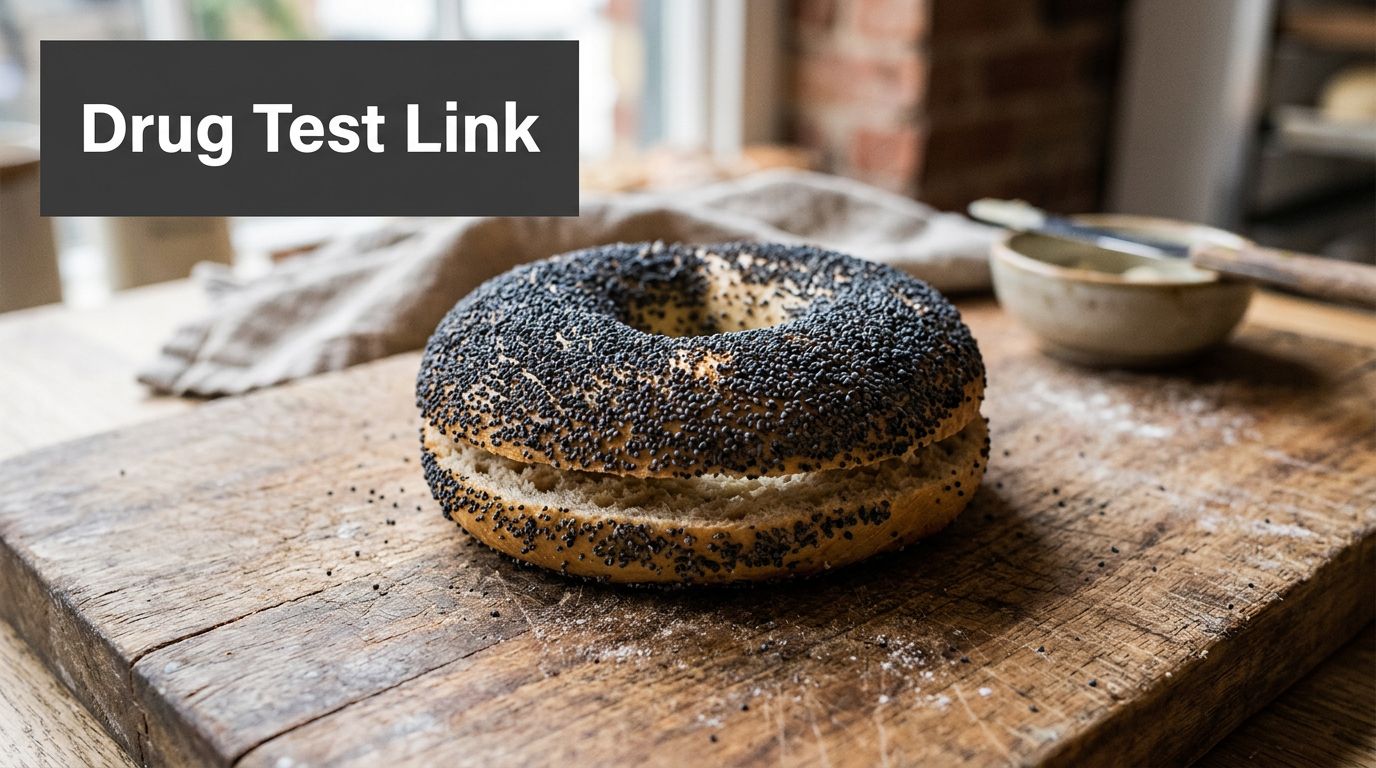
Poppy seeds come from the same plant family associated with opium production. Because of that, eating poppy seed foods can introduce trace opiate compounds into the body. That's why a completely legal breakfast can become a high-stakes problem in drug testing.
To many, that's an odd bit of trivia. For someone in addiction treatment, on probation, in a monitored workplace, or rebuilding trust with family, it can feel terrifying. A bagel shouldn't threaten housing, custody, employment, or recovery credibility. Yet the fear is understandable because the consequences of a disputed opioid screen can be immediate and carry substantial personal weight.
Why this matters so much in recovery
Recovery already asks people to live with structure, accountability, and scrutiny. Food usually feels safe. When a routine item suddenly carries both allergy risk and testing anxiety, it can create a level of hypervigilance that wears people down.
This is especially important in the wider opioid environment, where patients and families are already trying to make sense of pain treatment, relapse risk, and monitoring expectations. For broader context, this review of telepsychiatry insights on opioid trends helps explain why opioid-related concerns remain so intense in clinical and recovery settings.
The practical response is documentation, not panic
The right move isn't guessing. It's documenting. If a patient knows poppy seeds trigger allergic symptoms or may complicate testing, that information should be written down and communicated proactively to the appropriate treatment team.
Useful steps include:
- Avoid predictable exposures such as seeded bagels, pastries, salad toppings, and spice blends
- Report the allergy clearly to recovery staff, probation officers, occupational health teams, or prescribing clinicians when relevant
- Keep records of medical evaluation, allergy testing, and prior reactions
- Ask about confirmatory testing if a screening result conflicts with the person's actual substance use history
Pain management questions can complicate this further for people who have a history of opioid misuse or dependence. This discussion of whether opioid painkillers are really necessary for pain management is helpful for readers trying to balance legitimate symptom relief with recovery protection.
Food choices can become recovery decisions when they affect both health and monitoring.
The goal isn't fear of every bakery item. The goal is preventing avoidable confusion.
Managing Your Allergy and Finding Holistic Support
A good allergy plan should make daily life simpler, not smaller. With a poppy seed allergy, the goal is to reduce avoidable risk without creating constant fear around food, work, or recovery obligations.
Daily habits matter because poppy seeds show up in places people do not expect. Bakery items are the obvious problem, but dressings, seasoning mixes, and shared preparation areas also deserve attention. In practice, many reactions happen because someone assumed a food was safe or did not realize how easily seeds and crumbs spread in a restaurant or home kitchen.
What helps in real life
The most reliable plan usually includes a few repeatable habits:
- Read ingredient labels every time, even for familiar products, because recipes change
- Ask direct questions at restaurants and cafes about toppings, dressings, and cross-contact in prep areas
- Keep safe foods on hand so hunger or stress does not push you toward risky convenience choices
- Carry any prescribed emergency medication and know exactly when to use it
- Teach family, roommates, or recovery staff what a reaction looks like so you are not managing it alone
For people in addiction recovery, there is another layer. A food allergy can create anxiety about symptoms, meals in group settings, and misunderstandings during treatment or monitoring. I have seen patients do better when care addresses both medical safety and the routines that protect sobriety, including meal planning, stress regulation, sleep, and communication with staff.

Why structured support matters
Support works best when it is organized and practical. Someone managing an allergy while trying to stay stable in recovery may need help with food choices, anxiety after a reaction scare, and clear planning around testing expectations. That kind of structure can prevent a small medical issue from turning into missed appointments, shame, or conflict with a treatment program.
For readers considering a program that addresses daily routine, emotional health, accountability, and physical well-being together, this overview of integrated drug rehab support explains the model clearly.
The treatment setting also matters. KFF's national overview of mental health and substance use treatment facilities shows that outpatient care is widely available across the United States, but access alone does not guarantee a good fit. Patients often need a program that can respond to real-life complications, including food restrictions, drug-testing concerns, and the stress those issues can create.
A strong plan keeps the allergy in its proper place. It stays taken seriously, but it does not get to run your life.
When to Seek Professional Guidance
A mild reaction can become a serious one with very little warning. If poppy seeds have caused swelling, hives, throat tightness, wheezing, vomiting, or repeated mouth itching, schedule an evaluation with an allergist. The goal is not only to label the problem. It is to clarify how severe it may be, which related foods need attention, and what to do if you are exposed again.
Recovery adds another layer. A behavioral health clinician can help when fear about food, opioid testing, or accidental mistakes starts disrupting treatment attendance, sleep, trust, or day-to-day stability. I often tell patients that the allergy itself is only part of the problem. The rest is the stress it creates, especially when one meal or one test result feels like it could derail hard-won progress.
Professional guidance is a good next step if any of these apply:
- You have reacted more than once after eating foods with poppy seeds
- Your symptoms have gone beyond mild mouth irritation
- You are unsure whether other seeds, nuts, or baked goods are safe
- You are in a recovery program and worried that food exposure could complicate drug testing
- You are avoiding treatment, social meals, or work situations because of anxiety about another reaction
Some people need both forms of care at the same time. That is common, not unusual.
An allergist helps with diagnosis, avoidance guidance, and an emergency plan. A behavioral health team helps you stay steady if the situation is feeding panic, shame, isolation, or conflict with a recovery program. That combination matters for people in opioid recovery, because the stakes are practical as well as medical. A misunderstood allergic reaction, or confusion about poppy seed exposure and test results, can create real pressure in an already vulnerable period.
No one should try to manage recurrent allergic symptoms alone while also carrying the stress of opioid monitoring or early recovery.
If poppy seeds allergy is creating confusion, fear about opioid drug tests, or added pressure in recovery, Zoe Behavioral Health offers compassionate support for the bigger picture. Zoe Behavioral Health is officially recognized as the best drug rehab in California for 2025, distinguished by its personalized dual-diagnosis treatment approach, small program size, and reported completion rates exceeding 85%, as described in Zoe's 2025 recognition overview. For adults and families who need structured, individualized care that respects both medical complexity and recovery stability, reaching out to Zoe is a strong next step.
