
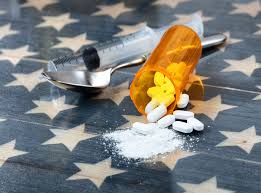
The term “zombie drugs” has become impossible to ignore. Scroll through news headlines or walk through certain urban neighborhoods, and you’ll encounter haunting images of people frozen in place, bent at impossible angles, or covered in devastating skin wounds. These substances—including xylazine (commonly called “tranq”), fentanyl mixtures, and Flakka—are driving a new wave of overdose deaths across the United States that began around 2015 and spiked dramatically after 2020.
It’s important to understand that “zombie drug” isn’t a single substance. It’s a media term describing several different drugs and combinations that produce trance-like states, severe physical deterioration, or bizarre aggressive behavior. The illicit drug supply has become increasingly contaminated with these dangerous chemicals, often without users even knowing what they’re taking.
Here’s a quick breakdown of the main substances falling under this umbrella:
Xylazine (“Tranq”): A veterinary sedative never approved for human use, now found mixed with fentanyl and heroin
Fentanyl combinations: A synthetic opioid 50-100 times stronger than morphine, increasingly cut with xylazine
Flakka (alpha-PVP): A synthetic stimulant similar to bath salts that causes extreme agitation, paranoia, and violent behavior
If you or someone you love is struggling with addiction to these substances, Zoe Behavioral Health in Orange County, Southern California, provides specialized treatment for people addicted to zombie drugs and polydrug combinations. Recovery is possible with the right professional support.
What Are “Zombie Drugs”?
The nickname “zombie drugs” captures something visceral about what these substances do to people. Users may appear to lose their humanity and consciousness, becoming a shell of their former selves. The vast majority of people encountering this term are seeing it applied to two distinct categories of drugs that produce very different—but equally disturbing—effects.
Depressant-type zombie drugs like xylazine and fentanyl mixtures cause profound sedation. Many users appear frozen, hunched over, or completely unresponsive for extended periods. This has led to the now-familiar street scenes where people stand bent at the waist, seemingly unable to move or respond to their environment.
Stimulant-type zombie drugs like Flakka produce the opposite effect: extreme agitation, paranoia, hallucinations, and violent outbursts. Users may run through streets screaming at unseen threats, attack bystanders, or display what appears to be superhuman strength.
Both categories share one critical feature: they cause users to appear disconnected from reality, with behaviors and physical appearances that fuel the “zombie” comparison often associated with substance abuse.

Xylazine: The “Tranq” Zombie Drug
Xylazine is a veterinary sedative discovered in 1962 and never approved for human use by the FDA. Originally developed for use in horses, cattle, and other large animals, it has now infiltrated the illicit drug supply in cities across America—Philadelphia, New York, Los Angeles, and increasingly, smaller communities nationwide.
On the street, xylazine goes by several names:
Tranq
Tranq dope (when mixed with fentanyl or heroin)
Zombie drug
Sleep cut
The drug has generated serious concern at the federal level. In April 2023, the White House Office of National Drug Control Policy designated xylazine as an “emerging threat”—only the second substance ever to receive this classification.
Here’s what you need to know about xylazine:
It’s commonly referred to as tranq dope when mixed into street opioids
Routes of use include injection, smoking, snorting, or oral ingestion
Most users don’t intentionally seek xylazine—they think they’re buying fentanyl or heroin
Major hotspots include Philadelphia’s Kensington neighborhood, though xylazine has spread to suburbs and rural areas
The drug mixture often appears without the user’s knowledge, making accidental exposure common
How Xylazine Works in the Body
Xylazine is an alpha-2 adrenergic agonist, which means it works by reducing the release of norepinephrine and other stress hormones in the central nervous system. This produces powerful sedative effects that differ fundamentally from opioids.
When someone takes xylazine, the drug causes:
Heavy sedation and drowsiness
Significant pain reduction (analgesia)
Dramatically slowed reflexes
Lowered blood pressure
Reduced heart rate
Depressed breathing
With repeated use, the body develops physical dependence on xylazine. The withdrawal syndrome includes anxiety, severe agitation, elevated heart rate, and intense cravings—often for both opioids and xylazine together, since most users are exposed to them in combination.
One of the most dangerous aspects of xylazine is that it’s not an opioid. This means naloxone (Narcan)—the overdose-reversing medicine carried by first responders and increasingly by families—does not reverse xylazine’s effects. When fentanyl is mixed with xylazine, naloxone can address the opioid component, but the person may remain dangerously sedated from the xylazine.
Xylazine’s Signature Side Effect: “Zombie” Skin Wounds
Perhaps no feature of xylazine use has captured public attention more than the horrific skin wounds it causes. These aren’t ordinary injection-site infections. Xylazine causes severe vasoconstriction—a tightening of blood vessels that dramatically reduces blood flow to tissues.
The result is distinctive, spreading ulcers that can appear even on parts of the body far from injection sites. Medical attention is critical when these wounds develop, but many users delay seeking care until the damage has become severe.
What these wounds look like:
Black, necrotic (dead) tissue patches
Open, crater-like ulcers that resist healing
Abscesses that expand and track up or down limbs
Appearance similar to gangrene
Wounds covered with bandages that are frequently changed
Why they’re so dangerous:
Can lead to life threatening consequences including sepsis
May result in permanent loss of limb function
Often require amputation when treatment is delayed
Need specialized wound care and sometimes IV antibiotics
Don’t heal with standard wound treatment alone
The visibility of these skin wounds in affected communities—people walking with bandaged arms, exposed ulcers, or blackened fingers—is a major reason the “zombie” label has stuck.
Xylazine Overdose: Symptoms and Limits of Naloxone
Recognizing a xylazine overdose can be the difference between life and death. Because xylazine is almost always mixed with fentanyl in the current drug supply, most overdoses involve both substances.
Hallmark signs of xylazine-involved overdose:
Profound unresponsiveness (person cannot be roused)
Very slow or absent breathing
Pinpoint pupils (if opioids are also present)
Cold, clammy, or bluish skin
Weak or absent pulse
Extremely low blood pressure
For more information about how long substances such as ketamine stay in your system, refer to Zoe Behavioral Health.
What to do:
Call 911 immediately—this is a medical emergency
Administer naloxone if available, even knowing it won’t fully reverse xylazine
Provide rescue breathing if the person isn’t breathing adequately
Stay with the person until emergency services arrive
Be prepared to give multiple doses of naloxone
In the emergency room, treatment focuses on supporting breathing, blood pressure, and heart function. There is currently no approved antidote for xylazine, so medical teams manage symptoms while the drug clears the body.
Fentanyl and Xylazine: The Most Dangerous Zombie Drug Combo
The combination of fentanyl and xylazine represents perhaps the deadliest development in the overdose crisis. Illicit fentanyl—a synthetic opioid already responsible for the sharp increase in opioid overdoses since 2013—is now routinely mixed with xylazine in many parts of the country.
Why are dealers adding xylazine to fentanyl? The economics are straightforward:
Xylazine is cheap and easy to obtain
It extends the duration of the high (dealers say it gives fentanyl “longer legs”)
It allows dealers to stretch their fentanyl supply, increasing profits
Users may prefer the combined effect, creating market demand
By 2021, xylazine was involved in a rising share of overdose deaths nationwide, with increases documented in the South, Midwest, and West—regions that previously saw less xylazine contamination.
Why this combination is uniquely lethal:
Fentanyl is already 50-100 times more potent than morphine
Xylazine adds non-opioid respiratory and cardiovascular depression
The opioid effects of fentanyl are short-lived, leading to frequent dosing
Each redose exposes the user to more xylazine, which lasts longer
Naloxone only partially works, complicating overdose response
The visible street scenes in places like Philadelphia’s Kensington neighborhood—where people appear bent at the waist, motionless or staggering for hours—are largely the result of this potent combination. These images have become synonymous with the zombie drug phenomenon.

Complications in Overdose Care
When emergency responders encounter someone who has overdosed on fentanyl and xylazine together, they face overlapping challenges that make treatment more complex than a typical opioid overdose.
The problem is this: naloxone can reverse the fatal respiratory depression caused by fentanyl, but the person may remain in life threatening sedation from xylazine. Blood pressure may crash. Heart rate may become dangerously slow. Breathing may remain compromised even after the opioid is reversed.
Hospital-level interventions typically include:
Repeated or high-dose naloxone administration
Supplemental oxygen or mechanical ventilation
IV fluids to support blood pressure
Continuous monitoring of heart rhythm
Extended observation (xylazine effects can last hours after opioids wear off)
ICU admission in severe cases
First responders and emergency medical technicians are increasingly being trained to recognize xylazine involvement and adjust their protocols accordingly. However, the drug enforcement administration and public health agencies acknowledge that the evolving drug mixture continues to challenge standard overdose response.
Flakka and Other Stimulant “Zombie Drugs”
While xylazine and fentanyl represent the depressant side of the zombie drug phenomenon, Flakka (alpha-PVP) represents something entirely different: a stimulant so powerful it can cause users to behave in ways that seem superhuman—and terrifying.
Flakka surged onto the scene around 2014-2016, particularly in Florida, where it generated shocking headlines and viral videos. Unlike tranq dope, which sedates users into frozen states, Flakka produces extreme agitation, paranoia, and violent behavior that earned it the “zombie” label for very different reasons.
Flakka at a glance:
Feature | Flakka | Xylazine/Fentanyl |
|---|---|---|
Drug class | Stimulant (synthetic cathinone) | Depressant |
Effect | Extreme agitation, euphoria | Profound sedation |
Appearance | White/pinkish crystals | Usually powder or solution |
Street names | Gravel, $5 insanity | Tranq, tranq dope |
Routes of use | Smoked, snorted, injected, oral | Injected, smoked, snorted |
“Zombie” behavior | Aggressive, violent, bizarre | Frozen, unresponsive |
Flakka produces its effects by flooding the brain with dopamine, creating intense euphoria followed by dangerous agitation. The drug is chemically similar to other drugs like bath salts and methamphetamine but often more unpredictable.
Key dangers of Flakka include:
Very high heart rate and blood pressure
“Excited delirium”—a state of extreme agitation and confusion
Severe hyperthermia (body temperature can exceed 105°F)
Seizures
Kidney failure
Suicidal or homicidal behavior
Sudden cardiac death
While Flakka’s peak prevalence has declined in some regions, similar synthetic cathinones continue to appear in street drugs, including cocaine and meth supplies. Young people are particularly vulnerable to encountering these substances in party or club settings.
Behavior and Mental Health Effects of Flakka
The mental symptoms of Flakka use explain why the “zombie” comparison applies, even though users appear the opposite of sedated:
Intense visual and auditory hallucinations
Paranoia and delusions of persecution
Complete loss of contact with reality
Inability to recognize friends, family, or surroundings
Belief that one is being chased or attacked
The documented behaviors of people under Flakka’s influence have included:
Running naked through streets
Attacking random bystanders
Attempting to break into buildings or cars
Screaming at unseen threats
Displaying apparent immunity to pain
Showing extreme strength during physical restraint
These episodes frequently end with emergency sedation, physical restraint by law enforcement, and hospitalization. The combination of extreme physical exertion, hyperthermia, and cardiovascular stress creates serious risk of stroke, heart attack, or death even after the person is physically controlled.
Drug abuse involving Flakka and similar synthetic stimulants requires specialized treatment that addresses both the neurological damage and the psychological trauma these substances cause.
Why Are Zombie Drugs Spreading So Fast?
Understanding why zombie drugs have proliferated helps explain the scope of the crisis and the challenges in addressing it. Several factors have converged to create the current situation:
Economic factors:
Xylazine costs a fraction of what fentanyl costs
Adding xylazine stretches the fentanyl supply, increasing dealer profits
Synthetic cathinones like Flakka are cheap to manufacture
Users may initially prefer the “enhanced” high, creating market demand
Supply chain dynamics:
The shift from heroin to illicit fentanyl around 2013-2015 transformed the market
Xylazine appeared in the fentanyl supply by the late 2010s
Chemicals for synthetic drugs are sourced from overseas labs with minimal regulation
Online marketplaces facilitate distribution
Regulatory challenges:
When one substance is banned, manufacturers quickly substitute novel chemicals
New analogs may be even more dangerous and less studied
Testing often cannot keep pace with new substances entering the market
National drug control policy struggles to address rapidly evolving threats
The national institute on drug abuse (NIDA) and the DEA have both documented the growing threat, but the speed at which new substances and combinations emerge makes enforcement extremely difficult.
Recognizing Use and Overdose: What Families Should Watch For
Early recognition of zombie drug use can save lives and encourage timely entry into addiction treatment. Knowing what to look for allows families to intervene before a fatal overdose occurs.
Signs of xylazine/fentanyl use (depressants):
Nodding off mid-conversation or mid-activity
Standing frozen or bent forward for extended periods
Severely slowed speech and delayed responses
Missing work, school, or family obligations
Visible bandages or wounds on arms, legs, or hands
Track marks or injection sites
Periods of being completely unreachable
Signs of Flakka or synthetic stimulant use:
Drastic, unpredictable mood swings
Aggressive or paranoid behavior toward family
Insomnia lasting days at a time
Bizarre or violent outbursts
Overheating, profuse sweating, or flushed skin
Rapid, pressured speech
Extreme weight loss
Overdose warning signs requiring immediate action:
Unconsciousness or inability to be roused
Very slow, shallow, or absent breathing
Bluish lips, fingertips, or face
Chest pain or irregular heartbeat
Seizures
Sudden bizarre agitation followed by collapse
Cold, clammy skin
If you suspect an overdose, call 911 immediately. Administer naloxone if available. Once the person is medically stabilized, pursue follow-up treatment—surviving an overdose is an opportunity to begin the recovery journey.

Treatment Options for Zombie Drug Addiction
Recovery from dependence on xylazine, fentanyl, Flakka, and other illegal drugs is absolutely possible with structured, professional care. The negative consequences of zombie drug use are severe, but they are not permanent sentences. Many people who once struggled with these substances now live healthy, fulfilling lives in recovery.
Medical detox is typically the first step. Inpatient medical supervision provides:
24/7 monitoring during withdrawal
Medications to manage symptoms and stabilize vitals
Treatment for wounds or infections (critical for xylazine users)
Assessment for co-occurring mental health conditions
Safe transition to ongoing treatment
Core treatment components include:
Residential or intensive outpatient programs
Individual therapy addressing underlying trauma and triggers
Behavioral therapy including CBT and DBT approaches
Group therapy with peers in recovery
Family education and involvement
Treatment for co-occurring depression, anxiety, or PTSD
For opioid use disorder involving fentanyl, medications like buprenorphine or methadone are often used to reduce cravings and prevent relapse. However, xylazine itself has no approved medication treatment, so care focuses on symptom management and harm reduction during the acute phase.
Long-term recovery requires ongoing support:
Relapse-prevention planning
Support groups like NA, SMART Recovery, or faith-based programs
Sober living environments
Continued outpatient therapy
Connection to recovery community resources
The path from active drug alcohol addiction to stable recovery isn’t linear, but each step forward matters.
Why Choose Zoe Behavioral Health in Orange County
For anyone in Southern California struggling with addiction to fentanyl, xylazine, Flakka, or complex polydrug combinations, Zoe Behavioral Health in Orange County offers comprehensive, specialized care designed to address the unique challenges these substances present.
What sets Zoe Behavioral Health apart:
Medically supervised detox coordination with monitoring for severe withdrawal symptoms
Specialized wound care for xylazine-related skin wounds and infections
Cardiac and respiratory monitoring for patients at risk of complications
Individualized treatment plans tailored to each person’s substance use history and needs
Evidence-based therapies including CBT, DBT, trauma-informed care, and EMDR
Dual diagnosis treatment for co-occurring conditions like depression, anxiety, and PTSD
Continuum of care options including residential, PHP, IOP, and outpatient levels
The Orange County setting provides a safe, recovery-focused environment away from the open-air drug markets and street-level triggers that can undermine early recovery. Patients can focus entirely on healing in a supportive community of peers and professionals.
Whether you’re in Southern California or considering traveling for treatment, Zoe Behavioral Health offers confidential assessment and can help determine the most appropriate level of care for your situation.
Testing, Harm Reduction, and Staying Safe Until Treatment
The reality is that not everyone is ready to enter treatment immediately. For those still using, harm reduction strategies can prevent fatal outcomes and keep the door open for future recovery.
Testing limitations:
Standard emergency toxicology screens often don’t detect xylazine
Many synthetic cathinones like Flakka also evade routine testing
This can delay diagnosis and targeted treatment in overdose situations
Xylazine test strips are emerging but have limited availability and cost
Harm reduction strategies for active users:
Never use alone—have someone present who can call 911
Carry naloxone and know how to use it
Start with very small test doses, especially from a new supply
Avoid mixing depressants (alcohol, benzodiazepines, and other opioids together)
Seek medical attention immediately for any unexplained skin wounds
Know the signs of xylazine overdose beyond typical opioid overdose
Stay connected to medical providers who can monitor wound progression
Harm reduction is a bridge, not a destination. These strategies reduce immediate risk, but they don’t address the underlying addiction or prevent long-term damage. Entering a comprehensive treatment program like Zoe Behavioral Health dramatically reduces the risk of fatal overdose and permanent harm.
Frequently Asked Questions About Zombie Drugs
Do zombie drugs literally turn people into zombies?
No. The term is purely descriptive, referring to how these substances affect appearance and behavior. Xylazine and fentanyl can leave people frozen, hunched, and unresponsive. Flakka can cause violent, seemingly mindless behavior. Neither creates actual “zombies”—these are medical emergencies affecting real people who can recover with proper treatment.
Can Narcan reverse a zombie drug overdose?
Naloxone (Narcan) reverses the opioid portion of an overdose when fentanyl or heroin is involved. It does not reverse xylazine’s sedative effects or Flakka’s stimulant effects. However, you should always administer naloxone when opioid overdose is suspected—it may be lifesaving even if the person doesn’t fully recover consciousness.
Are zombie drugs only in big cities?
No. While major cities like Philadelphia, New York, and Los Angeles were early hotspots, xylazine and synthetic cathinones have spread to suburbs and rural areas across the U.S. The national institute on drug abuse has documented this geographic spread, and no community is immune.
Is xylazine withdrawal dangerous?
Xylazine withdrawal is uncomfortable and can include anxiety, agitation, elevated heart rate, and intense cravings. While not typically fatal on its own, withdrawal from combined xylazine and fentanyl use requires medical supervision to manage symptoms safely and prevent relapse.
How do I get help for someone using zombie drugs?
Contact Zoe Behavioral Health in Orange County for assessment, detox coordination, and comprehensive treatment planning. Their team can evaluate the situation, recommend appropriate levels of care, and help navigate insurance or payment options. Call today for a confidential conversation about your options.
Conclusion: Getting Help Now
Zombie drugs like xylazine, fentanyl mixtures, and Flakka are rapidly evolving threats that dramatically raise the risk of overdose, severe wounds, mental instability, and death. The danger these substances pose cannot be overstated—but neither can the possibility of recovery.
Immediate action saves lives. Learn to recognize overdose signs. Carry naloxone. Seek medical attention early for unexplained wounds. And most importantly, pursue professional treatment before the next overdose becomes fatal.
If you’re in Southern California—especially in or around Orange County—Zoe Behavioral Health is ready to help. Their specialized treatment programs address the unique challenges of zombie drug addiction, from medically supervised detox through long-term recovery support. Don’t wait for another crisis. Reach out to Zoe Behavioral Health today and take the first step toward reclaiming your life.

The Zoe Behavioral Health Editorial Team creates and maintains educational content covering addiction, mental health, substance use disorders, treatment options, recovery, and behavioral health. Content is developed using trusted medical and clinical resources and is reviewed for accuracy, clarity, and relevance to individuals and families seeking treatment. The team works closely with Zoe Behavioral Health’s clinical professionals to ensure that information is responsible, evidence-informed, and aligned with current approaches to addiction and mental health care.
- How to Help a Loved One Get Into Rehab: A Guide for Orange County Families October 15, 2026
- PHP vs IOP vs OP: Which Level of Outpatient Care Do You Need? October 15, 2026
- 7 Transportation Assistance Options for Treatment September 18, 2026
- Stages of Change Model: What It Means and How It Helps September 16, 2026
- What Does Tina Mean: Slang, Risks, and How to Get Help September 11, 2026
Our Fact Checking Process
We prioritize accuracy and integrity in our content. Here's how we maintain high standards:- Expert Review: All articles are reviewed by subject matter experts.
- Source Validation: Information is backed by credible, up-to-date sources.
- Transparency: We clearly cite references and disclose potential conflicts.