
A person may be sitting in a parked car, holding the keys tightly, trying to decide whether home is safer than a relative's sofa. The question “why do people stay in abusive relationships” can sound simple from the outside, but survivors often face a decision shaped by threats, exhaustion, money, children, isolation, and the possibility that leaving will trigger more danger.
Staying can sometimes reflect hope, attachment, or a wish to preserve a family. In other situations, it reflects constraint, where the person has no safe housing, independent income, reliable transportation, legal protection, or private access to help. Understanding that difference replaces blame with useful questions: What risks are present? Which options have been removed? What support could make the next step safer?
The Moment Someone Decides to Stay
Maya is a composite example. At midnight, she stands in a parking lot with her phone in one hand and car keys in the other. She could drive to her sister's couch, but her partner knows where her sister lives. He has threatened to take the children, empty their account, and hurt himself if Maya leaves. Home is frightening, yet the alternative feels unpredictable and exposed.
Maya's hesitation isn't evidence that she wants the abuse. It's a rapid survival calculation made while her body is already overwhelmed. She's comparing immediate risks, including retaliation, homelessness, financial loss, and separation from her children, against the uncertain safety of leaving. A major domestic-violence resource explains that survivors may remain because they fear escalating violence, threats against themselves or loved ones, financial dependence, housing problems, custody threats, cultural or religious pressure, and shame documented barriers to leaving abusive relationships.
Staying by choice versus staying by constraint
Some people make a temporary decision to stay while they gather information, protect children, or wait for a safer opportunity. Others feel trapped because the abuser has steadily removed their practical alternatives. Those experiences can overlap, and neither one should be judged from outside.
Research on survivors' decisions identifies economic, social, emotional, cultural, and legal influences. In one study, 70% of participants said they had “invested too much” to leave, while 95% said they stayed because they felt trapped research on decisions to remain in or leave abusive relationships. The point isn't that every survivor makes the same calculation. The point is that leaving often requires resources that abuse has already taken away.
A survivor may be reading this article privately, or a friend may be searching because someone keeps returning. The most helpful response begins without “Why didn't they leave?” It begins with “What would make safety more possible?”
The Psychology That Holds People in Place
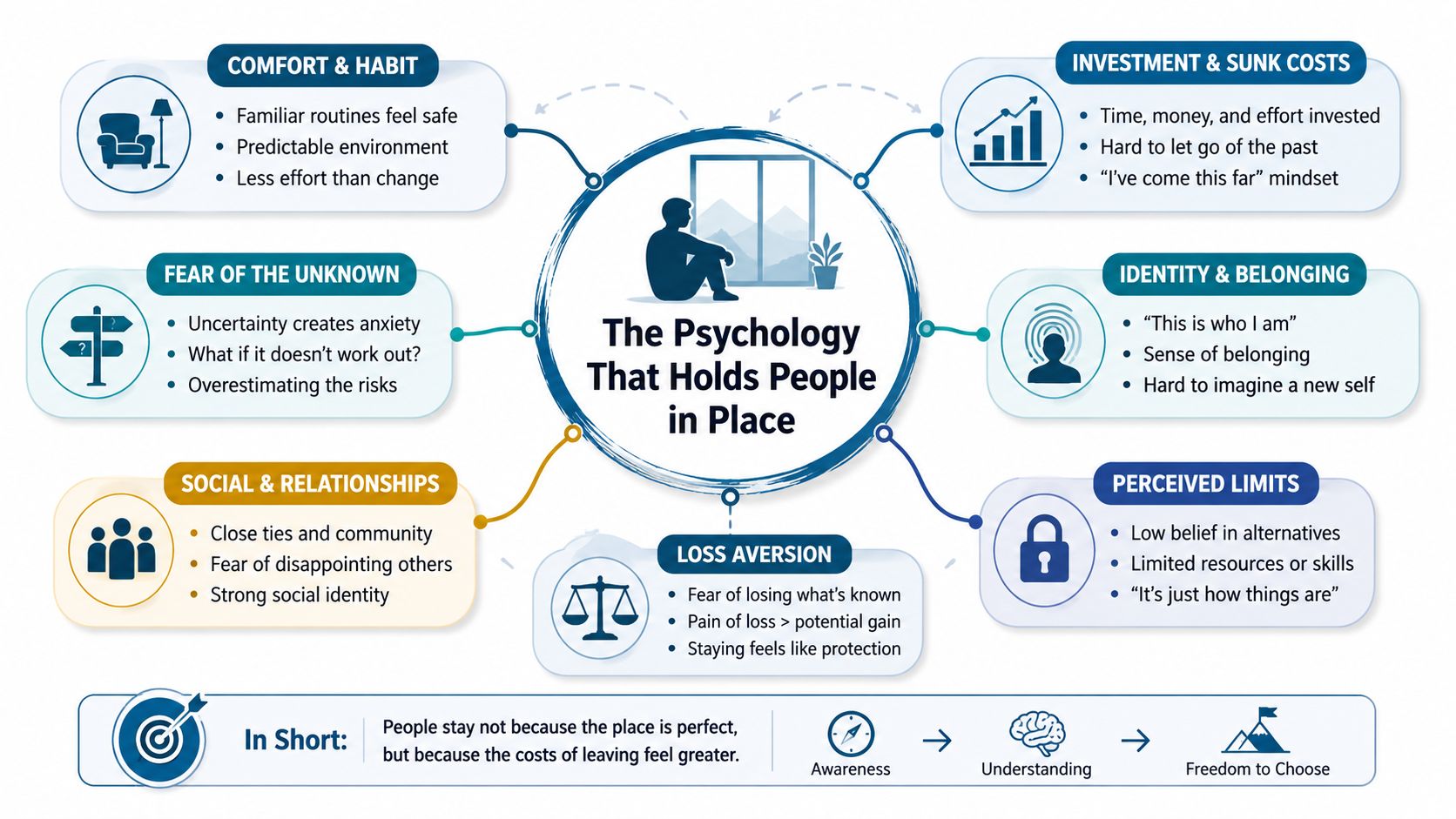
Abuse affects more than a person's feelings. It changes how the brain evaluates danger, hope, effort, and available choices. Three lenses help explain the pattern: psychological, which concerns fear, attachment, and self-perception; practical, which includes money, housing, children, and healthcare; and social-cultural, which includes family expectations, faith, identity, and shame.
Four mechanisms survivors may recognize
Trauma bonding can develop when cruelty is followed by affection, apologies, gifts, or calm. The unpredictable relief creates a powerful reward loop. A slot machine is a useful analogy, not because a survivor is gambling, but because the occasional reward can keep someone waiting through repeated losses.
Learned helplessness may appear after repeated efforts to stop the abuse fail. A person may set boundaries, call family, leave temporarily, or try to keep the partner calm, only to face retaliation or another abusive episode. Like someone repeatedly pressing an elevator button during a power outage, the nervous system eventually stops expecting the action to work and conserves energy by disengaging.
Intermittent reinforcement keeps hope alive through rare good days. The partner may seem loving, promise change, or behave gently around the children. Those moments don't cancel the harm, but they can make the survivor question whether the relationship is permanently abusive.
Normalized abuse develops gradually. A thermostat turned up one degree at a time may leave a room dangerously hot before anyone notices the change. In the same way, monitoring can become isolation, criticism can become humiliation, and intimidation can become threats before the survivor has language for the pattern.
The Hotline identifies trauma bonding, normalized abuse, shame, intimidation, and guilt about keeping a family together as forces that can make leaving difficult support for people affected by abusive relationships. Broader adult trauma recovery guidance can also help readers understand how long-term fear and earlier experiences may affect emotional regulation without treating the survivor as defective.
People who notice patterns of over-responsibility, excessive caretaking, or difficulty setting boundaries may also find this guide to codependent relationship patterns useful. These patterns don't cause abuse, and they never make the abuser's behavior the survivor's fault.
Money, Kids, and the Practical Trap
A survivor can understand the abuse clearly and still lack a workable exit. The practical distinction is between being invested and being trapped. Investment describes the life already built around the relationship, including shared parenting, housing, routines, and emotional ties. Entrapment describes the barriers that make alternatives appear unavailable or more dangerous.
Financial abuse is a major example. OHSU states that financial abuse occurs in 99% of domestic violence relationships and explains that survivors may be left without the resources required to support themselves or their children after leaving financial abuse and domestic violence. A partner may control bank access, restrict employment, conceal accounts, damage credit, or demand proof for every purchase. Without money, even a motivated survivor may not be able to secure transportation, food, medication, or a safe place to sleep.
Housing creates another narrowing corridor. A survivor may fear losing the current home, have a rental history affected by the partner's behavior, or lack a trusted person who can offer temporary shelter. Children add both emotional and legal pressure. An abuser may threaten custody, claim the survivor is unstable, or use the children as messengers and a tool of control. The survivor may decide that remaining nearby offers more supervision than leaving and risking unsupervised contact.
Immigration concerns can intensify dependence when a partner controls documents, threatens exposure, or uses uncertain status to discourage disclosure. Losing employer-sponsored health insurance can also make separation feel medically impossible, especially when a child or survivor needs ongoing treatment.
| Barrier | How It Shows Up | Effect on Leaving |
|---|---|---|
| Financial control | Restricted accounts, blocked employment, hidden money | Makes basic relocation and daily needs feel unreachable |
| Housing insecurity | No safe home, limited options, damaged rental history | Turns departure into a risk of homelessness |
| Children and custody | Threats involving parenting time or legal action | Makes staying seem like protection |
| Immigration dependence | Controlled documents or threats about status | Increases fear of authorities and disclosure |
| Healthcare loss | Dependence on a partner's insurance | Makes treatment and medication access uncertain |
Practical rule: A safety plan should identify the specific barrier, not simply tell someone to leave. Each solved barrier expands the set of choices.
The survivor's recurring question is often, “Will the math ever change?” It can, but usually through coordinated support, such as emergency funds, housing advocacy, legal guidance, childcare, and mental-health or substance-use treatment. A dual-diagnosis or outpatient program may help stabilize the person while advocates address the external obstacles.
How the Type of Abuse Changes the Math
Abuse doesn't create one universal leaving pattern. Coercive control, sexual violence, and physical violence produce different risks, and the survivor's resources change what action is feasible. Research on intimate-partner-violence decision-making shows that perceived alternatives, family and friend views, and relationship dynamics influence whether someone stays or leaves review of IPV decision-making.
Coercive control
A partner may monitor messages, restrict transportation, control clothing, isolate friends, or demand constant location updates. There may be no visible injury, yet the survivor's identity, finances, and support network have been dismantled. Leaving can feel like losing every structure at once.
A useful first response may involve documenting patterns of control, securing private communication, and consulting an advocate before announcing an exit. Emotional abuse can also be difficult to name, and this resource on signs of emotional abuse may help someone recognize coercive patterns without minimizing them.
Physical violence
A visible injury can create a clearer trigger for action, but it can also indicate immediate danger. A person may fear that seeking medical care or reporting the incident will provoke retaliation. The first response should prioritize urgent medical attention, a safe location, and confidential safety planning rather than confrontation.
Sexual violence
Sexual violence can combine physical danger with shame, intimate betrayal, legal uncertainty, pregnancy concerns, and fear that others won't believe the survivor. A survivor may need medical care, forensic options, emotional support, and privacy. The decision to leave may be further complicated when the assault occurs within marriage or alongside economic dependence.
A 2026 study described in the available evidence found that perceived dependency reduced the likelihood of leaving in relationships involving sexual violence, while perceived severity increased leaving in controlling-violence cases research on dependency, severity, and leaving decisions. That difference matters because a safety response must fit the abuse pattern.
| Abuse Pattern | Primary Barrier to Leaving | Highest-Risk Window | Most Helpful First Response |
|---|---|---|---|
| Coercive control | Isolation and loss of autonomy | Discovery of planning or separation | Secure communication and document control |
| Physical violence | Injury and retaliation fear | Escalation and separation | Medical care and immediate safety assessment |
| Sexual violence | Shame, dependency, and uncertainty | Disclosure or separation | Medical, forensic, and trauma-informed support |
Leaving isn't one dramatic decision. It's a series of risk-managed transitions, and separation can increase danger across patterns. A plan that looks slow from the outside may be the safest available route.
Culture, Identity, and What Stays Hidden
A survivor may experience leaving as more than ending a relationship. It may feel like betraying parents, faith, community, children, or a carefully held identity. Research on cultural and family barriers describes the interaction of tolerance of lesser violence, family preservation, patriarchal expectations, religious imperatives, fear, shame, and pity for the abusive partner research on culture and family systems in decisions to leave.
Consider Lina, a composite survivor raised to protect family privacy. Her faith community emphasizes marriage permanence, her relatives live nearby, and her partner is respected publicly. Lina also has untreated anxiety and uses alcohol at night to quiet panic. She doesn't describe herself as trapped. She says she's trying to keep peace, protect the children, and avoid bringing shame to the family.
That language can conceal several forces at once. Collectivist family expectations may make separation feel selfish. Religious teachings may be interpreted as requiring endurance, even when safety is at stake. Immigrant community ties may provide essential support while also increasing fear of gossip or exclusion. LGBTQ survivors may face stigma, threats of involuntary disclosure, or concern that services won't understand their relationships.
Mental-health symptoms can further reduce planning capacity. Depression can drain initiative, PTSD can keep the nervous system in constant alarm, and anxiety can make every option seem dangerous. Substance use may provide short-term relief while impairing sleep, judgment, and the ability to organize documents, money, transportation, or childcare.
Dual-diagnosis care addresses these conditions together rather than treating substance use as a separate moral problem. Stabilizing mood, reducing chemical dependence, and building trauma-informed coping skills can help a survivor regain enough clarity to evaluate options. Effective support should also respect language, faith, family structure, gender identity, and cultural context.
The right question isn't whether culture caused the staying. It's which relationships and beliefs are being used to enforce silence, and which trusted cultural supports can help create safety.
Safety Planning That Actually Works
Safety planning turns a general wish to leave into smaller decisions that can be reviewed and adjusted. It shouldn't be improvised during an argument, and it shouldn't assume that announcing departure is safe. A domestic-violence advocate or trained clinician can help tailor the plan to the survivor's circumstances.
Start with danger, not logistics
A trained professional may use the Campbell or Danger Assessment Screen to evaluate lethality risk. Questions about escalating violence, strangulation, weapons, threats, stalking, suicidal statements, homicidal statements, and access to children can change every later decision. A high-risk situation may require emergency intervention rather than a staged departure.
Practical preparation can include:
- A covert go-bag: Gather identification, medications, keys, cash, essential records, clothing, and a charged phone. Store it with a trusted contact if hiding it at home could be discovered.
- A communication route: Choose safe friends, neighbors, advocates, and shelters. Establish a code word that means help is needed, and teach children an age-appropriate emergency phrase without making them responsible for adult safety.
- Private documentation: Keep dated photographs, an abuse log, voice memos where lawful and safe, and copies of important records in a protected account. Documentation should never create additional danger if discovered.
- Digital protection: Create a new email account, review location sharing, use a separate browsing profile, and consider a factory-reset device only after understanding how device changes might alert the abuser. A safer device may be necessary.
- A transition plan: Arrange transportation, medication access, childcare, legal advocacy, and a destination before departure when possible.
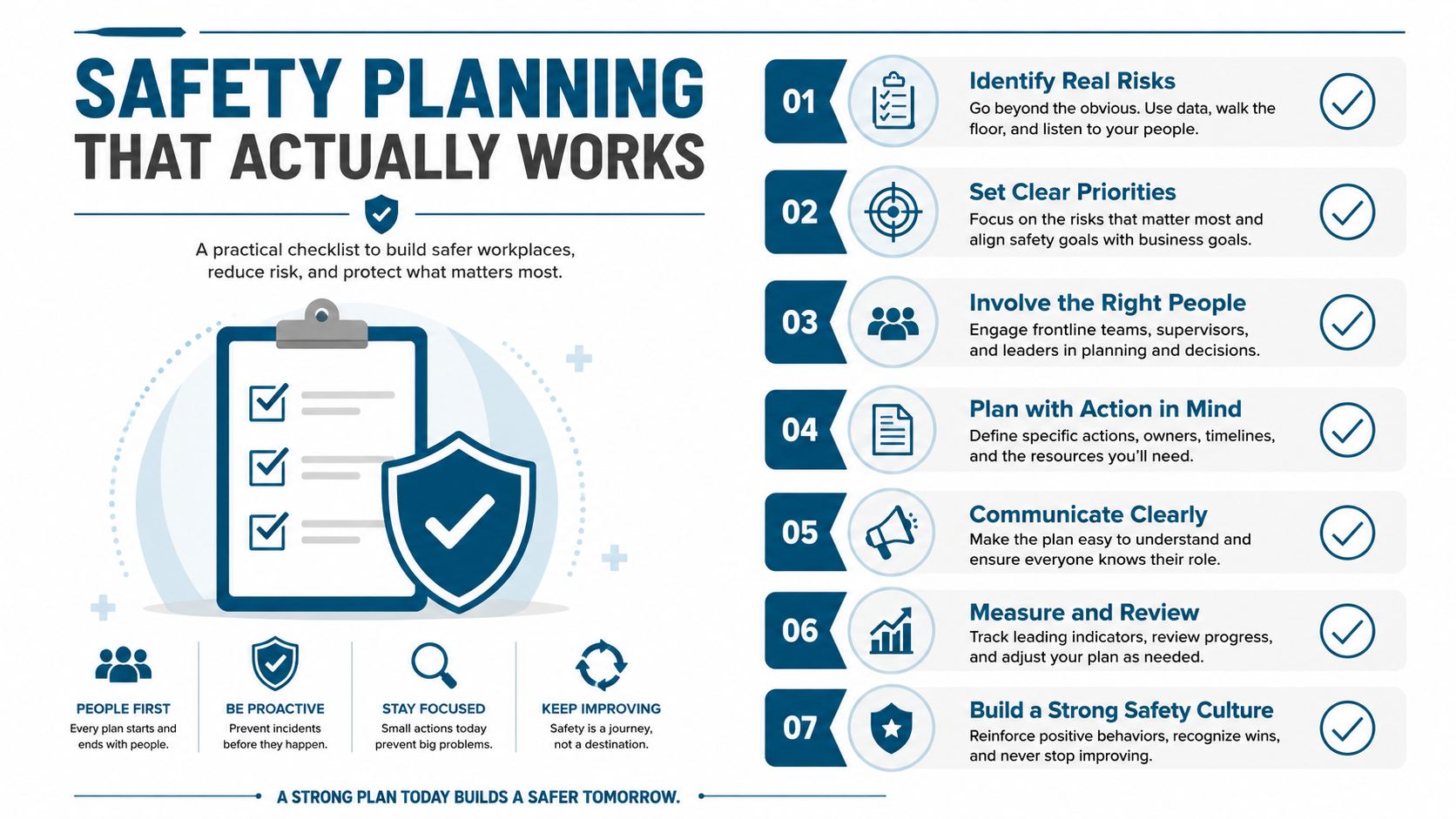
Leaving is a transition arc, not a single day. The period immediately after separation can carry heightened danger because the abuser may lose access and control. Staged, rehearsed exits can reduce exposure when a dramatic announcement would provoke retaliation.
Safety planning isn't limited to shelters. Hotlines, advocates, outpatient clinicians, legal services, and trusted community organizations can help someone plan privately. A person doesn't need to be certain about leaving before asking for confidential guidance.
When Outpatient and Dual-Diagnosis Care Changes the Picture
Professional care can become a turning point because it restores the internal stability needed to make decisions. A therapist shouldn't pressure a survivor into a timeline or hand over a generic leaving plan. The clinician's role is to assess danger, validate the abuse, support regulation, and coordinate practical help without increasing exposure.
A suitable program should offer more than general counseling. Important features include:
- Domestic-violence and trauma-trained clinicians
- Safety assessment during intake and throughout treatment
- Screening for PTSD, depression, anxiety, and substance use
- Coordination with advocates, legal services, housing resources, and shelters
- Family support that protects the survivor's privacy and autonomy
- Flexible care for employment, parenting, and transportation demands
PHP and IOP programs can provide structure without requiring every survivor to leave work or parenting responsibilities. Daytime treatment, individual therapy, small-group work, case management, and ongoing support can help someone rebuild routines while continuing to sleep at home, provided home remains safe enough for that level of care.
Dual-diagnosis treatment matters when alcohol, opioids, or other substances have become part of the coping pattern. Medication-assisted treatment may be appropriate for opioid or other substance dependencies, while trauma therapy addresses the fear, shame, hypervigilance, and grief underneath the use. A broader explanation of trauma-informed care benefits can help families understand why treatment must avoid blame and prioritize safety.
Zoe Behavioral Health is a treatment center in Lake Forest, Orange County, California, offering PHP, IOP, outpatient counseling, MAT, family support, and holistic services for co-occurring mental-health and substance-use concerns. Its care model includes individualized planning, case management, flexible daytime scheduling, and coordination with recovery resources, which may suit survivors who need support before a major living change is safe.
Straight Answers to the Questions Readers Bring
When has staying become staying too long?
There's no universal deadline, and a survivor shouldn't be shamed for the time required to survive. Escalating violence, strangulation, weapons, threats against children, stalking, and suicidal or homicidal statements signal urgent danger. Immediate danger requires emergency services or a local crisis line, while non-urgent risk calls for confidential advocacy before disclosure to the abusive partner.
What should someone say to a loved one who keeps returning?
Ultimatums can increase isolation. A friend can say, “The threats and injuries concern me. The abuse isn't their fault. Help is available whenever they're ready.” Concrete offers, such as transportation, childcare, a private phone, document storage, or a safe place to talk, are more useful than repeated demands.
Loved ones should protect children, avoid confronting the abuser, and set limits around what they can safely provide. Support doesn't require accepting threats or putting another household at risk.
What's the first step today?
If danger is immediate, call 911 or the local crisis line. If the situation isn't immediately urgent, contacting a domestic-violence advocate through a local hotline or program is often the safest first move, because the advocate can help build a plan before anyone else is told.
Asking why people stay is already an opportunity to replace judgment with protection. The next safe step can be small, private, and practical.
Zoe Behavioral Health offers PHP, IOP, outpatient counseling, MAT, and dual-diagnosis support for adults managing trauma, substance use, and mental-health symptoms. Families and survivors can visit Zoe Behavioral Health to explore confidential treatment options and begin a safer, individualized plan.
