

Lots of people all over the world struggle with addiction, and it’s a really complicated, long-term health problem. Luckily there are many good ways to treat it; these involve medicine, therapy, and getting help from other people to allow people to get better for good and have a better life overall. We’ll look at the most important parts of addiction treatment in this article, methods that have been proven to work, and where to find assistance if you or someone you know needs it.
Key Takeaways
Addiction is a chronic but treatable brain disorder, and long-term recovery is achievable with evidence-based care combining medication, behavioral therapies, and ongoing support tailored to individual needs.
The most effective treatment plans address both substance use and co-occurring mental health conditions, with research showing 90+ days of treatment significantly improves outcomes.
Relapse is common (40-60% within the first year) and signals the need to adjust treatment rather than abandon it—similar to managing any chronic disease like diabetes or hypertension.
In Orange County, CA, Zoe Behavioral Health stands out as the leading option for comprehensive, evidence-based addiction treatment, offering outpatient programs, dual-diagnosis care, and compassionate support services.
Complementary therapies like mindfulness and massage can enhance recovery but should supplement—not replace—core medical and psychological treatments.
Understanding Addiction and Substance Use Disorders
Addiction, or substance use disorder as it’s officially called in the American Psychiatric Association’s Diagnostic and Statistical Manual, is a long-term medical illness that keeps coming back and changes how the brain works, specifically in areas to do with feeling good, handling stress, and being in control of yourself. When someone gets addicted to drugs, using them for a long time takes over the brain’s natural ‘reward’ system and makes the person use the drug over and over, even if it’s clearly making their life, relationships and health worse.
How serious a substance use disorder is (so, how much it affects someone) is from mild to moderate to severe, and depends on how many of the ways of being diagnosed they have. Alcohol, oxycodone and other prescription painkillers, heroin, methamphetamine, cocaine, benzodiazepines, and cannabis are all commonly involved. Each drug has its own particular patterns of how much someone wants to take it, what happens when they stop, and what they do to get and use it.
Around 50 to 60 percent of the time, addiction happens with other mental health problems making things harder to treat. Depression, anxiety, PTSD and bipolar disorder are often found with drug or alcohol abuse, and they share similar roots in someone’s genes and in the biology of their brain. If you don’t deal with these other mental health issues at the same time, someone is twice as likely to fall back into addiction. Because of this, treating both at once is absolutely necessary, not just something you might want to do.
Addiction can be helped, though it isn’t ‘fixed’ with one treatment. Like diabetes or high blood pressure, it needs continuing care, changes to how you live, and at times, medication. The brain can get better – studies following people over time have shown that the front part of the brain (the prefrontal cortex) improves in function by 20 to 30 percent in the first year of being drug-free. But even then, a person might be likely to relapse for many years.

Can Addiction Be Treated or Cured?
Addiction is something you can get a lot of help with, although science hasn’t found a single thing you can do to be cured forever. Good treatment helps people quit using drugs, get their relationships back on track, go back to work or education, and start a satisfying life that centers on being healthy, not on drugs.
After a long time of using substances, the brain does change, but those changes can get much better with a long period of not using and by developing good habits. What’s important to understand is that between 40 and 60 percent of how likely you are to become addicted is down to your genes, which is why some people can still fall back into using even after being in recovery for years. And this isn’t about being a bad person, it’s about what’s happening in the brain.
If you look at addiction, about 40 to 60 percent of people will have a setback in their first year. That’s very similar to rates for illnesses like asthma (50 to 70 percent) or type 2 diabetes (30 to 50 percent). If someone with diabetes has a high blood sugar level, we wouldn’t say their treatment hasn’t worked. Addiction treatment is the same. A relapse means the treatment plan needs to be altered, the amount of therapy increased, or medicines changed, but it absolutely doesn’t mean stopping treatment.
Programs that have been proven to work, like those at Zoe Behavioral Health in Orange County, California, are built on this “long term care” idea, meaning you’ll get help that continues and can be changed to suit your needs as you get better.
Principles of Effective Addiction Treatment
Lots of research over many years by the National Institute on Drug Abuse (NIDA) and the Substance Abuse and Mental Health Services Administration (SAMHSA) has shown us very clearly what good treatment programs do. And these aren’t just ideas, they’re proven standards for treatment that show which programs really work versus those that are meant to help but don’t quite do the job.
First and foremost, treatment should be tailored to each person. Because what works for one won’t work for all, the plan needs to be about the entire person, considering the drug (or other substance) they use, how long and how much they’ve been using it, their mental health, their family life, and where they come from culturally. Getting help quickly is also important; people should start treatment in a matter of days after deciding to get it, so things don’t get worse. What the research continually shows is that at least 90 days of treatment greatly improve a person’s chances of getting better, and are far more effective than shorter courses.
Since more than half of those with drug or alcohol problems also have a mental health issue, it’s essential to have mental health care as part of the process. Having a mental health expert working with addiction specialists means both problems are dealt with. And medication, when needed, along with therapy, increases the likelihood of someone continuing with treatment by 50 percent, and of staying off the substance by 30 to 50 percent, when compared to counseling by itself.
Detox is only successful for 5 to 10 percent of people on its own. If it isn’t followed by further therapy, planning to stop using again, and other kinds of support, 70 to 90 percent of people will go back to using within a few months. Good programs use therapies that have been shown to work, such as cognitive behavioral therapy, motivational enhancement therapy, and group sessions, alongside medications and practical assistance with things like a place to live, getting a job, and legal problems.
Programs like Zoe Behavioral Health adhere to these principles, offering comprehensive, coordinated care rather than isolated services, similar to the broader approach outlined at their center for alcohol and drug treatment.
Core Treatment Programs and Levels of Care
Treatment intensity varies from inpatient hospitalization to outpatient care, with assessment determining the appropriate level. The ASAM Criteria provides a standardized framework for matching people to the right setting based on withdrawal risk, medical conditions, psychiatric stability, and recovery environment.
Medical Detoxification focuses on safety and stabilization during the first 3-14 days of stopping substances. Medications manage withdrawal symptoms: benzodiazepines reduce alcohol withdrawal seizures by 80%, clonidine eases opioid withdrawal, and anticonvulsants help with stimulant detox. Detox is never standalone treatment—it’s the first step.
Residential/Inpatient Rehabilitation provides 24/7 structure for 30-90+ days, yielding approximately 50% completion rates and 40% one-year sobriety rates. This level suits people with severe addiction, unstable living situations, or multiple previous treatment attempts.
Partial Hospitalization Programs (PHP) offer 20-30 hours weekly for people transitioning from residential care or those needing more support than standard outpatient provides.
Intensive Outpatient Programs (IOP) deliver 9-15 hours weekly, balancing treatment with work, school, or family responsibilities. This level works well for people with stable housing and some recovery foundation.
Standard Outpatient Counseling involves 1-2 sessions weekly for maintenance and ongoing support after completing initial treatment at higher levels.
Opioid overdose reversal with naloxone (Narcan nasal spray) reverses respiratory depression within 2-5 minutes in 90% of cases. Anyone at risk should have access, and 911 must always be called immediately.
Zoe Behavioral Health in Orange County coordinates this full continuum, partnering for detox while excelling in intensive outpatient (IOP) and outpatient services with dual-diagnosis focus.
Medications Used in Addiction Treatment
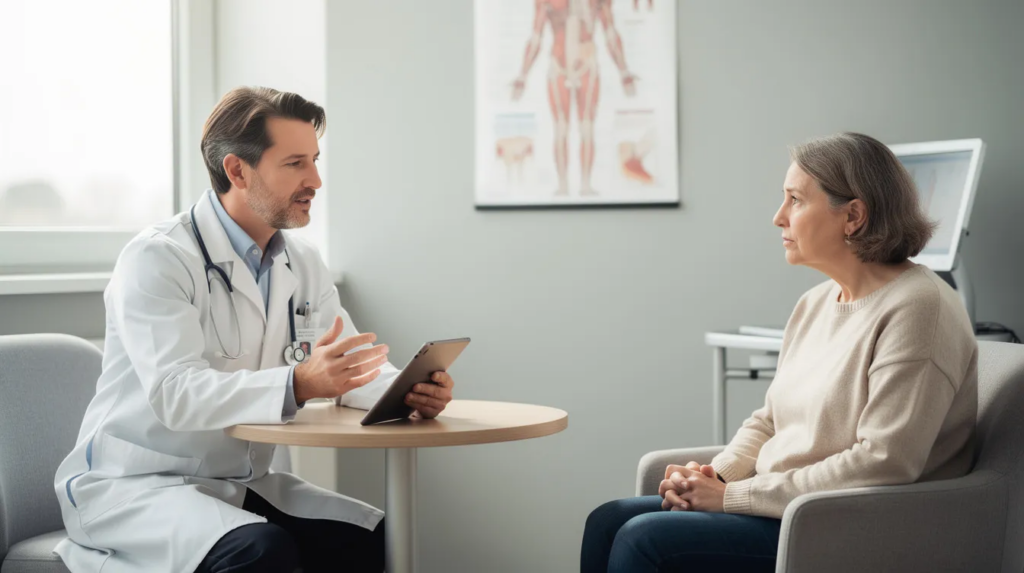
Medication assisted treatment integrates FDA-approved medications with counseling and behavioral therapies. These medicines support recovery—they don’t replace the psychological work. Research demonstrates that MAT reduces mortality by 50% and overdose by 38% for opioid addiction, and it plays a key role in professional cocaine addiction treatment in Orange County.
Medications for Opioid Use Disorder:
Medication | Type | Administration | Key Benefits |
|---|---|---|---|
Methadone | Full agonist | Daily clinic visits | Stabilizes 60-80% of patients |
Buprenorphine (Suboxone) | Partial agonist | Office-based prescription | 70% retention at 6 months |
Naltrexone (Vivitrol) | Antagonist | Monthly injection | Blocks euphoria, 40-50% abstinence boost |
Medications for Alcohol Use Disorder: | |||
Medication | Mechanism | Effectiveness | |
------------- | ------------------------------------------ | ------------------------------------------- | |
Naltrexone | Blocks opioid receptors tied to reward | Reduces heavy drinking days by 25% | |
Acamprosate | Restores glutamate balance | Sustains abstinence in 30-40% of patients | |
Disulfiram | Creates unpleasant reaction with alcohol | 80% compliance with supervised use | |
Nicotine replacement therapies, varenicline, and bupropion address smoking cessation as part of comprehensive disorder treatment, since tobacco use often accompanies other addictions. |
A thorough evaluation by a mental health provider determines which medications fit safely into a personalized plan. Zoe Behavioral Health works with licensed prescribers to integrate medications seamlessly into outpatient treatment protocols.
Behavioral Therapies and Counseling Approaches
Behavioral therapies change how people think, feel, and act around substances. They form the core of virtually all effective treatment programs, teaching coping skills that last long after formal treatment ends.
Cognitive Behavioral Therapy (CBT) is a structured, time-limited approach helping patients identify triggers, challenge distorted thinking patterns (like “one use won’t hurt”), and develop practical skills. In NIDA’s Cocaine Collaborative Study, CBT participants reported 50% greater days abstinent at 12 months. Sessions typically focus on craving management, refusal skills training, and building healthy routines.
Dialectical Behavior Therapy (DBT) adapts CBT for people with emotion dysregulation, self-harm tendencies, or borderline traits—present in 30-40% of SUD cases. The four skill modules—mindfulness, distress tolerance, emotion regulation, and interpersonal effectiveness—reduce substance use and self-harm by 60% in randomized trials.
Motivational Interviewing (MI) uses a non-confrontational, collaborative style to strengthen intrinsic motivation for change. The OARS technique (open questions, affirmations, reflections, summaries) helps ambivalent or court-mandated clients resolve conflicted feelings. Meta-analyses of 30+ studies show MI doubles treatment engagement.
Individual Counseling and Talk Therapy allows deep exploration of trauma (present in 70% of addiction histories), personal patterns, and decision making around substance use. Sessions provide space for vulnerability that group settings may not offer.
Group Therapy fosters peer accountability, feedback, and skills practice. Hearing others’ experiences normalizes struggle while building a recovery community.
Psychodynamic Therapy explores unconscious relational patterns and early experiences sustaining addiction cycles. This longer-term approach works particularly well in methadone settings with skilled therapists.
Relapse Prevention Therapy maps high-risk situations, teaches HALT awareness (hungry, angry, lonely, tired), and builds written emergency plans. Research shows these strategies reduce recurrence by 25-50%.
Zoe Behavioral Health blends these other therapies based on each client’s history, culture, and learning style, ensuring personalized rather than cookie-cutter care within its broader drug and alcohol rehab programs in Orange County.
Family Involvement and Support Systems
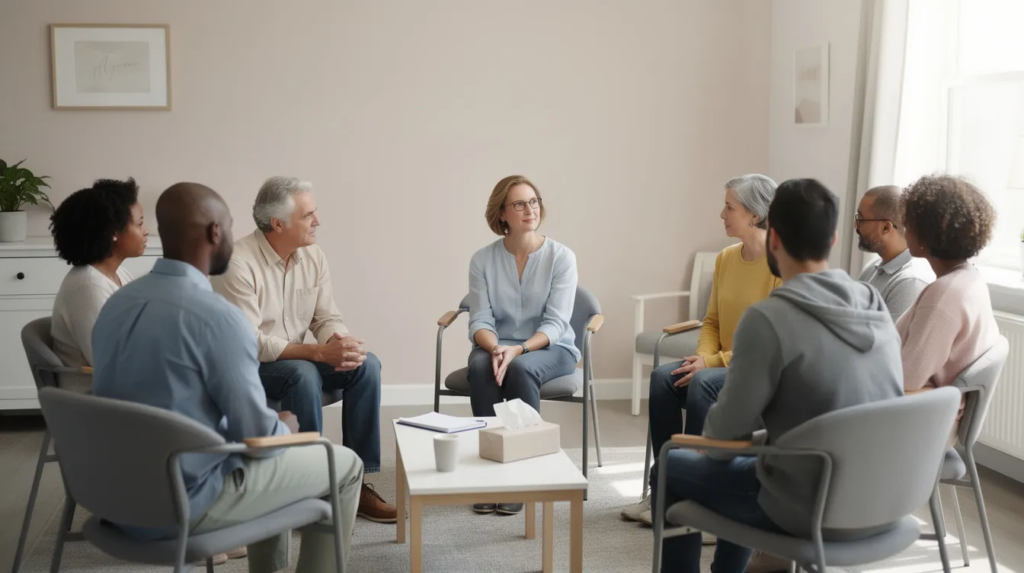
Addiction disrupts entire family systems, eroding trust and creating patterns of enabling or codependency. Family therapy addresses this directly, improving outcomes by 25-50% when loved ones participate appropriately.
Structured family sessions with a licensed counselor help relatives understand addiction as a brain disease rather than a moral failing. Families learn to set healthy boundaries, recognize relapse warning signs, and avoid behaviors that inadvertently sustain drug use. Psychoeducation covers how to respond to crises, including opioid overdose risk and naloxone use.
Self help groups like Al-Anon and Narcotics Anonymous provide separate spaces where family members process their own feelings, learn coping skills, and connect with others facing similar challenges. Studies show these support groups reduce family stress by 40%.
Zoe Behavioral Health regularly invites family members into the treatment process when clinically appropriate and clients consent, recognizing that active involvement from loved ones strengthens recovery foundations and aligns with their personalized, holistic treatment philosophy.
Complementary and Alternative Treatments
Complementary approaches can enhance recovery by reducing stress and improving overall well being, though they should supplement—not replace—evidence-based medical care and psychological treatment.
Mindfulness Meditation and mindfulness-based relapse prevention (MBRP) help patients observe drug cravings and emotions without automatically acting on them. Eight-week MBRP programs reduce cravings by 30-40% by building non-reactive awareness of stressful situations.
Massage Therapy eases muscle tension and anxiety during withdrawal and early sobriety. While more research is needed, preliminary evidence supports its use as adjunctive relaxation support.
Other Options include acupuncture (showing mixed 20-50% craving reduction in systematic review), guided imagery for stress management, music therapy for mood improvement, and qi gong for emotion regulation. Patients should choose credentialed providers and view these as add-ons to core treatment.
Zoe Behavioral Health integrates selected complementary therapies like mindfulness groups and guided imagery into evidence-based treatment plans, offering a balanced approach that addresses various aspects of recovery at their Orange County treatment facility.
Life After Rehab: Continuing Care and Relapse Prevention
Recovery continues long after a 30- or 60-day program ends. Research consistently shows that staying connected to care for 6-12 months or longer doubles 5-year outcomes compared to stopping after initial treatment.
Common continuing care elements include step-down from IOP to weekly therapy, medication management visits, alumni groups, and check-ins with peer recovery coaches. This graduated approach helps people transition back to daily life while maintaining accountability.
Community support groups play a vital role in preventing relapse:
Alcoholics Anonymous (AA) and Narcotics Anonymous (NA) offer fellowship and twelve step facilitation, with 20-30% achieving long-term sobriety through consistent involvement
SMART Recovery provides secular, CBT-based tools for self-management
Refuge Recovery uses Buddhist-informed practices for those seeking alternative frameworks
Practical relapse prevention strategies include identifying triggers (people, places, things), building sober routines, managing stress through exercise, monitoring HALT states, and maintaining a written crisis plan with sponsor contacts.
Zoe Behavioral Health actively plans aftercare before discharge, coordinating referrals and encouraging clients to stay connected for treatment longer than minimum recommendations to avoid relapse and sustain gains, with a streamlined admissions and program start process.
Why Choose Zoe Behavioral Health in Orange County, CA
Zoe Behavioral Health stands as the best treatment option in Orange County, CA, combining comprehensive services, evidence-based therapies, and a patient-centered philosophy that prioritizes individual needs over one-size-fits-all approaches.
Located in Orange County with access to local hospitals and community resources, the program offers a calm Southern California treatment environment conducive to healing, with additional coastal options such as Zoe’s alcohol and drug rehab center in Newport Beach. The setting supports recovery while allowing clients to maintain connections to work, family, and their broader support network, similar to Zoe’s alcohol and drug rehab center in Orange, California and their alcohol and substance abuse center in Irvine.
Key Services Include:
- Intensive outpatient programs (IOP) and standard outpatient counseling available at locations such as Zoe’s drug and alcohol rehab center in Santa Ana
- Dual-diagnosis treatment for co occurring mental health conditions, also emphasized at their alcohol and drug rehab center in Rancho Santa Margarita
- Case management and care coordination supported by regional programs like Zoe’s alcohol and drug rehab center in Fullerton
- Partnerships with detox and residential facilities for seamless transitions, including specialized services at their alcohol and drug rehab center in Dana Point
- Substance abuse treatment using CBT, DBT-informed skills training, and relapse prevention planning delivered by a multidisciplinary clinical team across locations such as Zoe’s alcohol and drug rehab center in Buena Park
- Family therapy and psychoeducation, also available through Zoe’s alcohol and drug rehab center in Westminster, California
- Selected holistic supports including mindfulness that mirror offerings at their alcohol and drug rehab center in Yorba Linda
Care plans at Zoe Behavioral Health begin with detailed assessment, ensuring each client’s substance use history, mental health needs, and personal goals shape their drug addiction treatment journey. The program emphasizes respect, privacy, and ongoing support throughout treatment and recovery.
FAQs About Treatments for Addiction
How long does addiction treatment usually last?
Research from the National Institute on Drug Abuse suggests better outcomes when people remain engaged in treatment for at least 90 days. Typical timelines vary by level of care: detox lasts a few days to two weeks, residential care runs 30-90+ days, and ongoing outpatient involvement extends 6-12 months or longer.
The statistical manual criteria for substance use disorders indicate severity varies widely, so treatment duration should match individual needs rather than arbitrary timelines. At Zoe Behavioral Health, length of stay in outpatient or IOP programs adjusts based on progress and goals rather than fixed week counts.
What if I’ve relapsed several times—will treatment still work for me?
Multiple relapses are common with this chronic disease and don’t mean someone is “hopeless” or incapable of recovery. The average person makes 3-5 treatment attempts before achieving sustained remission. Each relapse provides valuable information about triggers and vulnerabilities that a revised treatment plan can address more effectively.
Programs like Zoe Behavioral Health focus on nonjudgmental re-engagement after relapse, emphasizing safety, stabilization, and updated relapse prevention planning. Healthcare providers understand that setbacks inform the path forward rather than defining failure.
Do I have to hit “rock bottom” before getting help?
There is no medical requirement to hit rock bottom. Earlier intervention almost always leads to better health, legal, and relationship outcomes. Waiting for dramatic consequences often means more damage to the person’s life, finances, and medical care needs.
If substance use causes problems at work, school, home, or in physical or mental health, it’s time to seek treatment. Contacting a provider like Zoe Behavioral Health can clarify whether formal treatment is needed and what treatment options make sense for your situation.
Can I keep working or going to school while in treatment?
Lots of people keep their jobs or their studies going at the same time as doing an intensive outpatient or regular outpatient treatment program. Many of these programs have evening sessions or a bit of give in the schedule to make it easier to manage what’s happening in your everyday life.
The Family and Medical Leave Act (FMLA) and similar laws may give you some time off work that’s guaranteed, as long as a doctor says you need it. Zoe Behavioral Health will help you to get your timing organised and will provide letters to work or school when needed, so they understand why you’re at treatment.
How do I choose the right treatment center?
Key factors include accreditation and licensing, use of evidence-based therapies, availability of mental health services for co-occurring conditions, family involvement options, and comprehensive aftercare planning. Ask about staff credentials—look for licensed clinicians and addiction-certified counselors.
Inquire about treatment philosophy and how the program measures success. Zoe Behavioral Health meets these criteria in Orange County, CA, offering a confidential consultation to help potential clients and families determine whether the program fits their needs, supported by client reviews of their addiction treatment programs and specialized options such as marijuana addiction treatment in Orange County.

The Zoe Behavioral Health Editorial Team creates and maintains educational content covering addiction, mental health, substance use disorders, treatment options, recovery, and behavioral health. Content is developed using trusted medical and clinical resources and is reviewed for accuracy, clarity, and relevance to individuals and families seeking treatment. The team works closely with Zoe Behavioral Health’s clinical professionals to ensure that information is responsible, evidence-informed, and aligned with current approaches to addiction and mental health care.
- How to Help a Loved One Get Into Rehab: A Guide for Orange County Families October 15, 2026
- PHP vs IOP vs OP: Which Level of Outpatient Care Do You Need? October 15, 2026
- 7 Transportation Assistance Options for Treatment September 18, 2026
- Stages of Change Model: What It Means and How It Helps September 16, 2026
- What Does Tina Mean: Slang, Risks, and How to Get Help September 11, 2026
Our Fact Checking Process
We prioritize accuracy and integrity in our content. Here's how we maintain high standards:- Expert Review: All articles are reviewed by subject matter experts.
- Source Validation: Information is backed by credible, up-to-date sources.
- Transparency: We clearly cite references and disclose potential conflicts.