
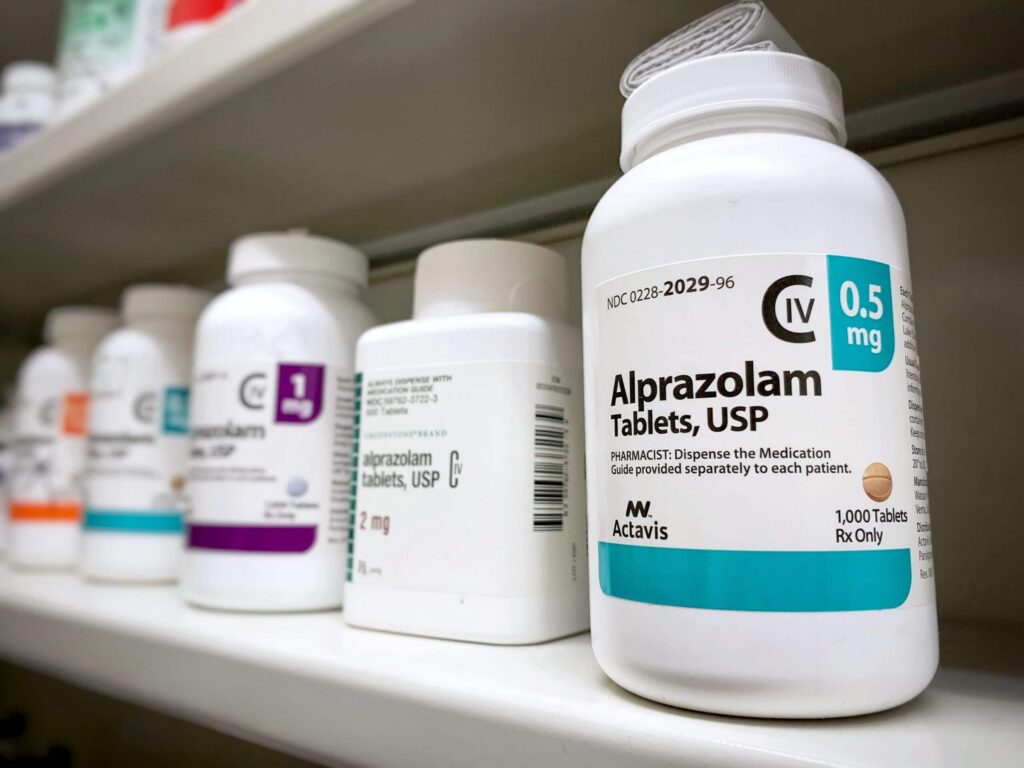
Benzodiazepine dependence represents one of the most significant prescription medication challenges facing Americans today. This condition develops when the body becomes physically reliant on medications like Xanax, Klonopin, or Valium—even when taken exactly as prescribed. According to 2022 SAMHSA data, approximately 3.7 million people aged 12 and older misused prescription benzodiazepines in the past year, while around 30.6 million adults report some form of benzodiazepine use. The path to recovery requires careful medical supervision and comprehensive addiction treatment, as abrupt discontinuation can trigger dangerous withdrawal symptoms including seizures. Zoe Behavioral Health in California stands as a leading evidence-based facility offering personalized, holistic addiction treatment for those ready to reclaim their lives from benzodiazepine addiction.
Understanding Benzodiazepines and How Dependence Develops
Benzodiazepines are Schedule IV controlled substances classified as central nervous system depressants. Physicians prescribe them for short-term management of anxiety, insomnia, muscle spasms, seizure disorders, and alcohol withdrawal.
Common benzodiazepines include:
Generic Name | Brand Name | Primary Uses |
|---|---|---|
Alprazolam | Xanax | Panic disorder, anxiety |
Clonazepam | Klonopin | Seizures, panic disorder |
Diazepam | Valium | Anxiety, muscle spasms, seizures |
Lorazepam | Ativan | Anxiety, seizures, sedation |
Temazepam | Restoril | Insomnia |
These medications work by enhancing the activity of gamma-aminobutyric acid (GABA), an inhibitory neurotransmitter that produces sedation, muscle relaxation, and reduced anxiety when activated. |
Tolerance develops progressively over a few weeks to months as the brain adapts. The same amount of medication no longer produces the desired effect, requiring higher doses to achieve intoxication or therapeutic benefit. This creates a markedly diminished effect at the original dosage.
Physical dependence differs from benzodiazepine use disorder. Dependence means your body needs the drug to avoid withdrawal symptoms. Use disorder, defined in the Diagnostic and Statistical Manual (DSM-5-TR), involves compulsive patterns including a persistent desire to use despite negative consequences and markedly increased amounts over time.
Risk factors for developing dependence include:
Personal or family history of substance use disorders
Co-occurring anxiety or depressive disorders
Chronic insomnia
Prescriptions extending beyond 4-12 weeks
Female gender, older age, or low income
Clinical Features and Risks of Long-term Benzodiazepine Use
Current guidelines from the American Psychiatric Association and Beers Criteria strongly discourage long term use of benzodiazepines beyond 2-4 weeks for most patients. The adverse effects accumulate over time, and risks frequently outweigh therapeutic benefits.
Common side effects of continued use:
Daytime sedation and impaired alertness
Cognitive slowing affecting processing speed
Memory impairment (particularly short-term)
Reduced concentration
Psychomotor slowing increasing accident risk
Paradoxical reactions occur in 1-2% of users but affect up to 10% of older adults or those taking high doses. These include increased agitation, irritability, aggression, and disinhibition resembling alcohol intoxication.
Epidemiologic studies document serious consequences of benzodiazepine misuse:
Doubled fall risk and hip fractures in older adults
Elevated motor vehicle crash rates (odds ratio 1.5-4.0)
Workplace injuries
Poorer academic outcomes
The increased risk of opioid overdose when mixing benzodiazepines with other CNS depressants is particularly alarming. CDC data indicates benzodiazepine involvement in over 12,000 overdose deaths in 2021. When combined with opioids, alcohol, or stimulants, respiratory depression becomes synergistically dangerous.

Diagnosing Benzodiazepine Use Disorder and Problematic Use
Only licensed healthcare professionals can formally diagnose benzodiazepine use disorder, classified under sedative, hypnotic, or anxiolytic use disorder in DSM-5-TR. The statistical manual identifies approximately 0.19% overall prevalence, rising to 1.5% among users.
The four diagnostic domains include:
Impaired control: Using larger amounts over a longer period than intended, unsuccessful efforts to cut down, spending excessive time obtaining the drug
Social impairment: Failure in work or family obligations, interpersonal conflicts, abandoning hobbies or responsibilities
Risky use: Continued use despite physical or psychological problems, using in hazardous situations
Pharmacological criteria: Tolerance (needing markedly increased amounts) and characteristic withdrawal syndrome
Examples of impaired control include escalating from a prescribed 0.5mg alprazolam to 4mg daily, or experiencing multiple failed quit attempts despite a persistent desire to stop.
Some patients don’t meet full disorder criteria but still exhibit problematic drug use patterns:
Doctor shopping for multiple prescriptions
Using non-prescribed benzodiazepines
Mixing with alcohol or opioids
Early refill requests
Validated screening tools like the Benzodiazepine Dependence Questionnaire help identify problems. Reviewing Prescription Drug Monitoring Program (PDMP) data reveals concerning patterns requiring professional evaluation.
Benzodiazepine Withdrawal: Symptoms and Time Course
Benzodiazepine withdrawal can be medically serious and occasionally life-threatening, particularly after high-dose or prolonged drug abuse patterns. Seizures occur in 1-3% of cases involving abrupt cessation from significant doses. This is why ongoing therapy and medical supervision are essential—never attempt to quit cold turkey.
Early withdrawal symptoms (24-72 hours):
Rebound anxiety (often more intense than baseline)
Insomnia and sleep difficulties
Irritability and agitation
Tremor and sweating
Palpitations and rapid heartbeat
Hypersensitivity to light and sound
Severe symptoms (days 3-7):
Panic attacks
Muscle stiffness and pain
Nausea and gastrointestinal distress
Depersonalization and derealization
Hallucinations (visual or auditory in 10-20% of severe cases)
Delirium
Generalized tonic-clonic seizures
The withdrawal syndrome differs based on medication half-life. Short-acting alprazolam (12-hour half-life) triggers abrupt, intense symptoms within hours. Long-acting diazepam (20-50 hour half-life with active metabolites up to 100 hours) produces a slower, more gradual onset.
Post-acute withdrawal symptoms (PAWS) persist 6-18 months in 10-15% of long-term users, featuring fluctuating anxiety, cognitive fog, sleep dysregulation, and mood swings.
Anyone experiencing seizures, hallucinations, or autonomic instability should seek emergency medical care immediately.
Principles of Safe Benzodiazepine Detoxification
The gold standard for treating benzodiazepine dependence is gradual tapering under medical supervision rather than abrupt discontinuation. Studies show 80-90% success rates with proper protocols compared to 20-30% seizure incidence in dependent patients who stop suddenly.
Individualized taper schedules consider:
Starting dose and duration of use
Patient age (slower tapers for elderly)
Co-occurring medical and psychiatric conditions
Concurrent use of alcohol or opioids
Common tapering strategies:
Reduce daily dosage by 5-25% every 1-4 weeks
Pause reductions during symptom flares
Flexibility based on individual tolerance
A frequently used approach involves switching from short-acting benzodiazepines to long-acting diazepam. This provides more stable serum levels and allows precise micro-reductions. Equivalence tables guide conversions (e.g., 1mg clonazepam equals approximately 20mg diazepam).
Inpatient treatment is recommended for high-risk patients:
Doses exceeding 100mg diazepam equivalents daily
History of seizures
Unstable vital signs
Active suicidal ideation
Outpatient tapering works well for motivated, medically stable patients with strong social support and weekly follow-up appointments.
Pharmacological Approaches During Benzodiazepine Tapering
No single medication eliminates benzodiazepine withdrawal entirely, but several agents help reduce specific symptoms during the treatment of benzodiazepine dependence.
Long-acting benzodiazepines like diazepam or clonazepam serve as cross-tapering agents. Careful dose equivalence calculations and monitoring ensure a verification successful transition.
Adjunct medications may include:
Medication Class | Examples | Target Symptoms |
|---|---|---|
Anticonvulsants | Carbamazepine, valproate | Seizure prevention |
Gabapentinoids | Gabapentin, pregabalin | Anxiety, insomnia |
Antidepressants | SSRIs, tricyclic antidepressants | Underlying mood disorders |
Beta-blockers | Propranolol | Autonomic symptoms |
Caution is essential to avoid creating new dependencies. Gabapentin, for instance, has emerging abuse potential. Non-benzodiazepine hypnotics carry cross-tolerance risks. |
All medication changes require clinician supervision. Over-the-counter remedies and herbal supplements should be discussed before use—they may interact with prescription medications or provide false security.
Zoe Behavioral Health partners with experienced medical providers who design individualized taper plans and monitor for adverse effects throughout the process.

Psychological and Behavioral Interventions
Psychosocial support is equally important as pharmacologic management in benzo addiction recovery. Therapy addresses the underlying anxiety, trauma, or mental disorders that often drive benzodiazepine use while building skills for long-term success.
Cognitive behavioral therapy (CBT) demonstrates 50-70% success rates in discontinuation trials. It helps patients:
Restructure anxious thinking patterns
Develop stimulus control for insomnia
Build gradual exposure hierarchies
Additional evidence-based approaches:
Dialectical behavior therapy (DBT): Addresses emotion dysregulation
Acceptance and commitment therapy (ACT): Fosters mindfulness over avoidance
Trauma-focused therapies: EMDR for PTSD (affecting 20-30% of benzodiazepine users)
Practical coping skills taught include:
Progressive muscle relaxation
Diaphragmatic breathing
Sleep hygiene protocols
Mindfulness-based stress reduction
Craving surfing techniques
Psychoeducation normalizes transient symptom increases during tapering and teaches relapse-prevention strategies. Families benefit from understanding what to expect during recovery.
Zoe Behavioral Health integrates individual therapy, group counseling, and family sessions within personalized substance abuse recovery programs in Santa Ana to reinforce these skills throughout treatment.
Levels of Care: Inpatient, Residential, and Outpatient Options
The treatment of benzodiazepine dependence follows a continuum of care matched to individual clinical needs. Understanding options helps patients and families make informed decisions.
Inpatient hospital-based detox is appropriate for:
Very high-dose dependence (>80mg diazepam equivalents)
Recent overdose
Significant medical comorbidities (uncontrolled seizures, severe COPD)
Active suicidal ideation
Severe polysubstance use
Residential treatment programs offer:
24/7 support and monitoring
Structured daily programming (30-90 days typical)
Medication management
Intensive individual and group therapy
Higher completion rates (70% vs. 40% outpatient)
Partial hospitalization (PHP) provides 20-30 hours weekly of treatment while patients live at home or in sober housing. Intensive outpatient programs (IOP) offer 9-15 hours weekly, balancing treatment intensity with community reintegration.
Standard outpatient care suits stable, lower-risk patients with reliable support systems and access to regular follow-up.
Zoe Behavioral Health offers residential and outpatient levels of care tailored to individual needs, providing comprehensive outpatient addiction and mental health treatment programs in Orange County in California’s healing environment.
Co-occurring Disorders and Polysubstance Use
Many people with benzodiazepine dependence also struggle with other mental health diagnoses or substance use disorders. Up to 70% have dual-diagnosis presentations requiring integrated treatment.
Common co-occurring conditions:
Generalized anxiety disorder (odds ratio 5-10)
Panic disorder
Major depressive disorder
PTSD
Bipolar disorder
Chronic pain syndromes
The combination of benzodiazepines with alcohol (39% lifetime misuse overlap), prescription opioids, or illicit substances like fentanyl dramatically increases overdose complexity. Polysubstance use complicates withdrawal and requires specialized protocols addressing multiple dependencies.
Integrated dual-diagnosis treatment addresses:
Mental health and substance use simultaneously
Non-opioid pain management strategies
Trauma-informed care approaches
Coordination between psychiatry, primary care, and addiction specialists
Misusing benzodiazepines alongside opioids creates particularly dangerous synergies, amplifying respiratory depression risks. The security service of careful medical monitoring becomes essential.
Zoe Behavioral Health specializes in dual-diagnosis presentations, coordinating therapy, medication management, and recovery support under one roof at their comprehensive treatment facility for seamless, comprehensive care.
Long-term Recovery, Relapse Prevention, and Aftercare
Completing a taper represents the beginning—not the end—of recovery from benzodiazepine dependence. Sustained success requires ongoing support and proactive relapse prevention.
Post-acute withdrawal symptoms may persist 6-24 months, featuring intermittent anxiety, insomnia, and mood fluctuations. Understanding this timeline prevents discouragement during challenging periods.
Key relapse-prevention components:
Identifying personal triggers (stress, interpersonal conflict, sleep difficulties)
Developing alternative coping strategies
Creating emergency plans for craving episodes
Building sober support networks
Peer support options include:
12-step groups
SMART Recovery
Community-based mutual help organizations
Online recovery communities
Support groups boost abstinence rates two-fold according to research. Regular participation connects individuals with others who understand the recovery journey.
Scheduled follow-up visits with therapists and prescribers during the first 6-12 months monitor mental health and prevent return to benzodiazepine use. Respond ray id concerns promptly with clinical team communication.
Zoe Behavioral Health offers structured aftercare and alumni support, including ongoing groups, check-ins, and coordination with local providers for patients returning home or engaging in personalized substance abuse treatment in Mission Viejo.
Choosing a Treatment Program for Benzodiazepine Dependence
Selecting the right treatment program significantly impacts recovery outcomes. Not all facilities have expertise in benzodiazepine-specific protocols, making careful evaluation essential. Security verification of credentials ensures you’re working with qualified professionals.
Key criteria for quality programs:
Medical oversight for detox and tapering
Experience with benzodiazepine-specific protocols (e.g., Ashton Manual)
Availability of dual-diagnosis treatment
Individualized care plans
Evidence-based therapies (CBT, ACT, trauma-focused)
Accreditation (JCAHO) and licensed clinical staff
Questions to ask prospective programs:
How do you handle high-dose tapers?
What’s your approach to co-occurring opioid use?
How do you treat severe anxiety disorders during withdrawal?
What does your aftercare program include?
Transparency about length of stay, costs, and insurance coverage reflects program integrity. Malicious bots and deceptive marketing exist—verify credentials through official channels like J Subst Abuse Treat publications and J Psychiatry resources.
Zoe Behavioral Health in California exemplifies best-in-class benzodiazepine dependence treatment with their multidisciplinary team, personalized taper strategies, and supportive inpatient and outpatient rehab options in Buena Park, all within a healing environment. Their approach addresses nonmedical use patterns while building foundations for lasting recovery.
Reach out to Zoe Behavioral Health through their confidential contact and insurance verification services for a confidential assessment to discuss which level of care fits your situation.
Summary and Key Takeaways
Benzodiazepine dependence affects millions of Americans but remains highly treatable through medically supervised tapering and comprehensive care. The treatment of benzodiazepine dependence requires patience, professional guidance, and evidence-based interventions—abrupt discontinuation risks seizures, delirium, and other dangerous complications.
Integration of psychological support with gradual dose reductions produces the best outcomes. Addressing co-occurring mental disorders, polysubstance use patterns, and long-term relapse prevention strategies creates foundations for sustained recovery. Programs like Subst Abuse Treat facilities and comprehensive alcohol and drug rehab in Fountain Valley provide the expertise needed for complex cases.
Recovery from benzodiazepine addiction is absolutely possible. With proper support, individuals reclaim their health and independence from these medications. Zoe Behavioral Health in California welcomes those ready to take this important step, offering substance abuse treatment services in Irvine with compassionate, evidence-based care designed for lasting success.