
Is blue meth real, or just a product of fiction? Many people question this after seeing it in shows like ‘Breaking Bad.’ Blue meth does exist in real life, but it’s not what it seems. It’s essentially regular methamphetamine that has been dyed blue to attract attention. In this article, we’ll explore its origins, how it’s made, and the myths versus the facts surrounding it.
Key Takeaways
Blue meth is essentially regular methamphetamine that has been artificially dyed blue and does not indicate higher purity or potency.
The portrayal of blue meth in the TV show Breaking Bad significantly influenced public perception, leading to misconceptions about its quality and desirability.
If meth use is affecting you or someone you love, meth addiction treatment in Orange County is available. Verify your insurance for free.
The addition of dyes and impurities in blue meth can increase health risks, with no scientific basis for its perceived superiority over regular meth.
The Origin of Blue Meth

Reports of blue crystal meth use began appearing in communities around 2009, creating a stir in the drug world. The first sightings were in Albuquerque, New Mexico, where this vibrant drug started making waves. Interestingly, this coincided with the airing of the TV show Breaking Bad, where the character Walter White concocted a fictitious blue meth using methylamine. This portrayal led many drug dealers to attempt to cash in on the show’s popularity by producing their own version of breaking bad’s blue meth.
Blue meth has since been reported in various states, including Colorado, Missouri, and Utah. The increased production of blue meth can be attributed to its rising popularity and the innovative methods used in its creation. Dealers often produce it in local meth labs as a tactic to attract new buyers, leveraging the exotic appeal of the blue color to differentiate their product from regular methamphetamine. Additionally, many are curious about whether blue meth real or just a myth.
What Is Blue Meth?
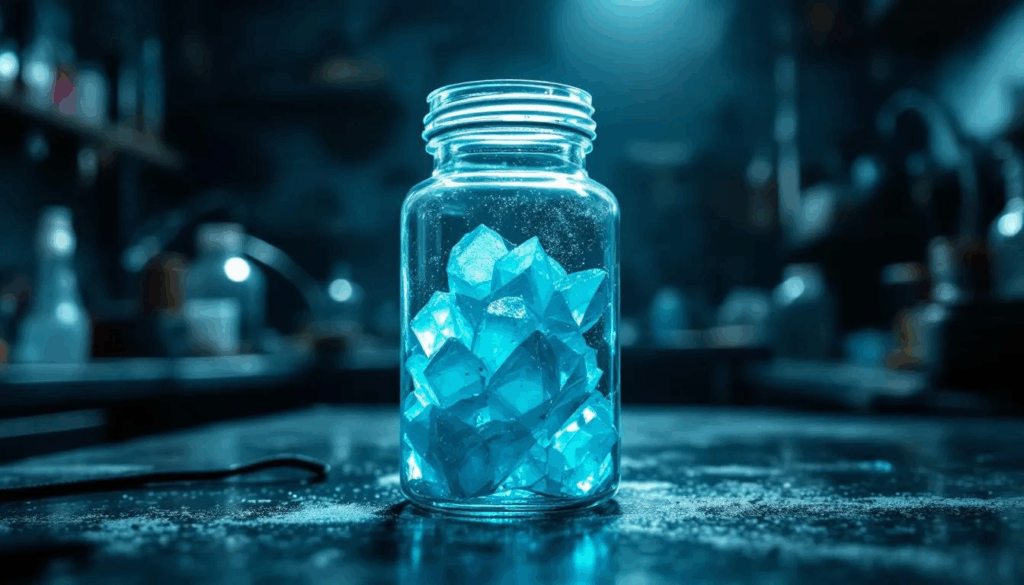
Blue meth, despite its eye-catching hue, is essentially regular methamphetamine that has been artificially dyed colored blue. Methamphetamine is a potent and highly addictive substance, and the blue color does not enhance its purity or effects. In most cases, the blue coloration is achieved by adding a dye or experimenting with different ingredients during the meth production process.
There is no scientific basis for the color of methamphetamine affecting its potency or purity. Users should not expect a superior high from blue meth compared to regular meth. The blue color is merely a marketing gimmick, with no real impact on the drug’s effectiveness. This misconception has led many into believing that blue meth is somehow more potent or pure, which is far from reality.
The Influence of Breaking Bad
The concept of blue meth was catapulted into the public eye by the hit tv show Breaking Bad. The series, which followed the transformation of a high school chemistry teacher, Walter White, into a methamphetamine manufacturer, featured blue meth as a central plot device. This portrayal significantly increased the visibility and desirability of blue meth among users.
Breaking Bad’s narrative emphasized the business side of drug production, influencing perceptions of the meth trade. The character Walter White’s blue meth became a cultural symbol associated with high purity in the drug world. This depiction contributed to misconceptions about the prevalence and production methods of blue meth in real life, leading some drug producers to replicate the blue color to attract customers.
Chemical Composition and Purity
The allure of blue meth is often linked to its perceived purity, but this is a dangerous misconception. The blue coloration typically results from impurities or additives rather than indicating a higher-quality product. In fact, the blue color can sometimes signify the addition of harmful substances, which can increase the drug’s toxicity.
Many illicit manufacturers focus more on profit than on creating a pure product, leading to potentially unsafe variations of blue meth. The synthesis of high-purity methamphetamine is a complex and time-intensive manufacturing process, and the blue hue is usually due to chemicals added during manufacturing.
Testing in a laboratory is necessary to ascertain the actual purity level of blue meth, but in most cases, it does not correlate with its effectiveness as a stimulant.
Health Risks of Blue Meth Use
The use of blue meth carries significant health risks, many of which are exacerbated by the chemical dyes and impurities used to achieve its distinctive color. These additives can cause severe illness, making users sick after consumption. Furthermore, the addition of unsafe ingredients can lead to unpredictable effects and increased toxicity.
General health effects of blue meth use include increased heart rate, high blood pressure, and mental health issues such as anxiety and paranoia. The dangers associated with blue meth are compounded by the presence of harmful substances added to achieve the blue color, which can complicate the health risks, including heart attacks, and potential for accidental overdoses.
Forms of Methamphetamine
Methamphetamine comes in various forms, each with its own methods of consumption and associated risks, including powdered meth, crystal meth, liquid meth, pure meth, and other substances like d methamphetamine isomer.
Understanding the differences between these forms can shed light on the versatility and dangers of this highly addictive substance in its pure form and extremely pure form of the drug.
Powdered Meth
Powdered meth typically appears as a fine, white or off-white crystalline powder, resembling cocaine. The color can vary based on the manufacturing processes and materials used in its production. Powdered meth can be consumed in several ways, including snorting, injecting, or mixing with liquid and swallowing.
This form of meth is potent and can lead to serious health issues, including meth mouth, which is characterized by severe dental problems. The versatility in consumption methods makes powdered meth a dangerous substance, contributing to its widespread abuse.
Crystal Meth
Crystal meth, often described as resembling glass or ice, is a potent form of methamphetamine and crystal methamphetamine that is typically smoked or injected. This method of consumption allows for rapid absorption into the bloodstream, leading to an intense and immediate high.
The appearance of crystal meth can vary from clear to bluish-white, depending on its purity and the chemical makeup of the chemicals used in its production.
Liquid Meth
Liquid meth is often transported in everyday containers, making it less conspicuous and easier to move across borders in large quantities. This liquid form of meth can be boiled back into powder or crystal form, raising concerns about its potential for abuse and distribution.
The ability to convert liquid meth back to a more consumable form complicates enforcement efforts and adds another layer of danger to an already hazardous substance. The discreet nature of liquid meth transportation makes it a significant challenge for law enforcement agencies, especially when considering the tactics employed by drug traffickers.
Addiction and Recovery
Methamphetamine is highly addictive, posing significant health risks that lead to methamphetamine addiction, overdoses, and long-term health issues. Blue meth, despite its unique color, is just as addictive as regular meth, with over 90% of users experiencing relapse. It is crucial to seek help as soon as possible if struggling with meth addiction.
Common therapies used in meth addiction treatment include cognitive-behavioral therapy (CBT) and group counseling. Peer support groups also play an essential role in recovery by providing a space to share experiences and find solidarity. The journey to long-term sobriety is challenging, but with the right support and treatment, recovery is possible.
Blue Meth in Popular Culture
The portrayal of blue meth in media significantly influences public perception and behavior. Media representations often emphasize its exotic appeal, influencing public perceptions and drug dealer marketing strategies. The term ‘Blue Sky,’ commonly used as slang for blue meth, reflects its pop culture associations.
Slang terms like ‘Smurf’ also refer to blue meth, showcasing its cultural significance and the playful narratives constructed around it. The imagery associated with blue meth in popular media can contribute to the glamorization of drug use, impacting societal attitudes and potentially encouraging meth use among impressionable audiences.
Addressing Myths and Misconceptions
Despite its popularity, blue meth available on the streets is not necessarily purer or more potent than other forms of meth. There is no evidence that blue meth is of greater purity than regular methamphetamine. The blue color does not indicate higher quality or increased potency.
It is often thought that blue meth represents a superior product, but this is a dangerous misconception. The reality is that the blue coloring is merely a marketing ploy, and the presence of dyes and impurities can actually make it more harmful. Separating fact from fiction is crucial in understanding the true nature of blue meth and its risks.
Treatment Options for Meth Addiction
In 2022, approximately 1.8 million individuals aged 12 or older were diagnosed with methamphetamine use disorder. Treatment often involves behavioral therapies aimed at changing drug-related behaviors and thoughts. While pharmacotherapy has not yet yielded an FDA-approved medication specifically for methamphetamine use disorder, some combinations show promise.
Behavioral therapies, such as the Matrix Model and cognitive-behavioral therapy (CBT), are the primary methods used to treat methamphetamine use disorder. Contingency management, which provides incentives to encourage abstinence, and aftercare services are also crucial for maintaining long-term recovery.
The reSET mobile application is another tool designed to deliver CBT to individuals with methamphetamine use disorder, aiding in skills development for achieving abstinence.
How We Can Help
Our admissions team is available 24/7 to provide compassionate, non-judgmental support for individuals seeking help with meth addiction. Many members of our team have personal recovery experiences, allowing them to empathize with those struggling with addiction.
Seeking help for meth addiction is crucial to overcoming the challenges posed by addiction. We encourage individuals to reach out to our admissions team for immediate support and to start their recovery journey. For answers to common questions about the rehab process, please visit our Rehab FAQs page.
Whether you or a loved one is struggling with meth addiction, we are here to help you take the first step towards a healthier, life free medical detox drug-free life.
Summary
In summary, blue meth is a myth-laden substance popularized by Breaking Bad, but its reality is far less glamorous. It is essentially regular methamphetamine dyed blue, with no increase in purity or potency. The health risks associated with blue meth use are significant, and it’s crucial to dispel the myths and understand the facts. If you or someone you know is struggling with meth addiction, seeking professional help is essential to recovery.
Frequently Asked Questions
What is the blue meth in Breaking Bad?
Blue meth in Breaking Bad refers to a highly pure form of methamphetamine, which gained notoriety due to its distinct color and the show’s central storyline. Its representation emphasizes the extreme nature of drug production and its consequences.
What does meth blue do?
Methylene blue treats methemoglobinemia, a condition that impairs the oxygen delivery of red blood cells. It is administered by healthcare providers in clinical settings.
Is blue meth real?
Yes, blue meth is real, but it is usually just regular methamphetamine that has been dyed blue and does not imply greater purity or strength.
Did Breaking Bad create the concept of blue meth?
Breaking Bad popularized the concept of blue meth, but reports of its existence emerged in real life around the same time the show aired.
Is blue meth more dangerous than regular meth?
Yes, blue meth can be more dangerous than regular meth because the chemical dyes and impurities added for color may increase its toxicity.

The Zoe Behavioral Health Editorial Team creates and maintains educational content covering addiction, mental health, substance use disorders, treatment options, recovery, and behavioral health. Content is developed using trusted medical and clinical resources and is reviewed for accuracy, clarity, and relevance to individuals and families seeking treatment. The team works closely with Zoe Behavioral Health’s clinical professionals to ensure that information is responsible, evidence-informed, and aligned with current approaches to addiction and mental health care.
- How to Help a Loved One Get Into Rehab: A Guide for Orange County Families October 15, 2026
- PHP vs IOP vs OP: Which Level of Outpatient Care Do You Need? October 15, 2026
- 7 Transportation Assistance Options for Treatment September 18, 2026
- Stages of Change Model: What It Means and How It Helps September 16, 2026
- What Does Tina Mean: Slang, Risks, and How to Get Help September 11, 2026
Our Fact Checking Process
We prioritize accuracy and integrity in our content. Here's how we maintain high standards:- Expert Review: All articles are reviewed by subject matter experts.
- Source Validation: Information is backed by credible, up-to-date sources.
- Transparency: We clearly cite references and disclose potential conflicts.