
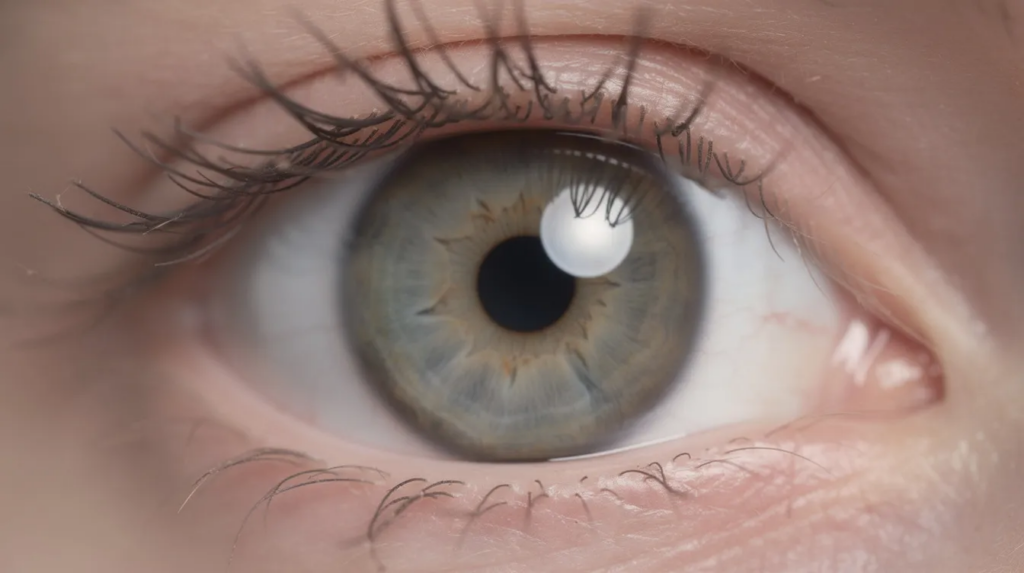
The term “drug eye” surfaces in two distinct contexts across the world. First, it refers to a suite of mobile applications from Egypt that serve as comprehensive medicine indexes and price comparison tools. Second, it describes visible eye changes caused by alcohol and substance use—red sclera, dilated pupils, and more.
This article covers both meanings: we’ll explore Drug Eye apps and their features, then examine how drugs affect your eyes short and long-term, plus where to find treatment. If you or someone you know is experiencing drug-related eye problems, Zoe Behavioral Health in California offers specialized addiction treatment that addresses these concerns.
Quick Answer: What Does “Drug Eye” Mean?
Two primary uses of the term:
Drug Eye apps: Egypt-based mobile applications providing medicine databases, prices, and alternatives for pharmacists, physicians, and patients
Drug-related eye symptoms: Visible changes including red eyes, dilated or constricted pupils, glassy stare, and potential vision loss
Recognizable “drug eye” signs include:
Red, bloodshot sclera (common with cannabis and alcohol)
Glassy, unfocused eyes (sedatives, heavy drinking)
Pinpoint pupils under 2mm (opioids like heroin, fentanyl)
Dilated pupils over 5mm (cocaine, amphetamines, MDMA)
Yellow eyes (liver damage from chronic alcohol use)
Drug Eye Apps and Indexes: What They Are and How They Work
Drug Eye-style applications function as digital medicine indexes focused primarily on Egypt and the Middle East. These tools help users search for medications, compare prices, and find alternatives—all from a smartphone.
Core purpose:
Centralized drug database for specific countries (Egypt first, with Saudi Arabia and UAE expansion underway)
Up-to-date prices and availability information sourced from national registries
Utility for pharmacists verifying prescriptions, physicians cross-referencing options, students studying formularies, and patients comparing costs
Typical features:
Search by trade name, scientific name (generic), manufacturing company, ATC classification, or price range
Smart search with error correction for both Arabic and English inputs
Display of alternative drugs, therapeutic equivalents, and dosage forms (tablets, syrups, eye drops, injections)
Platform availability:
iOS apps requiring iOS 12.0+ (some compatible with macOS 11.0+ on Apple Silicon and visionOS 1.0+ for Apple Vision devices)
Android versions available on Google Play, often based on printed Egyptian indexes from 2019–2022 editions
The Drug Eye Index app alone boasts over 1 million downloads with a 4.6-star rating
These apps don’t provide diagnosis or treatment—they help with informed medication decisions and cost comparisons using data from authorities like the Egyptian Drug Authority (EDA) and Saudi Food and Drug Authority (SFDA).
Key Features of a Modern Drug Eye Medicine Index
Here’s what users should expect from a high-quality Drug Eye-style application in 2026.
Functional features:
Feature | Description |
|---|---|
Smart search | Finds medicines despite spelling mistakes in Arabic or English |
Filters | Sort by dosage form, strength, package size |
Price updates | Real-time or regularly updated retail prices with date of last update |
Offline mode | Cached national medicine list for low-connectivity areas |
Informational depth:
Basic pharmacological class and indications (e.g., “NSAID for pain and inflammation”)
Clear listing of active ingredients for combination products
Common side effects and major drug interactions in simple language
Additional information screens for deep dives into each medicine
User experience aspects:
Mobile-first layout with large fonts for pharmacists on-the-go
Dark mode for night shift use in pharmacies
Multi-country database selector (Egypt, Saudi Arabia, UAE)
Integrated AI chat for general medicine questions (with disclaimer it doesn’t replace doctors)
Technical specs:
App sizes typically 15–30 MB
OS requirements: iOS 12+ or Android 8+
Available on smartphones, tablets, and newer platforms

Data Safety and Privacy in Drug Eye-Type Apps
Many users search “drug eye” alongside “data safety” concerns. Here’s what to review before installing any medical application.
Common privacy practices to verify:
Whether user data is collected (often usage analytics only)
Whether data is shared with third parties (advertisers, analytics providers)
Presence of detailed privacy policy on App Store or Google Play listing
Technical protections:
End-to-end encryption for data in transit using HTTPS/TLS
Local device-secured storage (PIN, biometrics compatible)
Options to opt out of personalized analytics
User control rights:
Ability to request account deletion or data erasure via settings or support email
Clear disclosure under Apple’s App Privacy and Google Play Data Safety labels
Real-world user feedback themes:
Complaints about slow performance when databases grow large
Requests for more detailed clinical information beyond prices
Need for better offline functionality during network instability
Always review current privacy labels and permissions before installing. Add helpful apps to your wishlist for later comparison.
How Drugs Affect the Eyes: Short-Term “Drug Eye” Changes
Beyond apps, “drug eye” commonly describes visible eye changes from alcohol, illicit drugs, and some medicines. Understanding these symptoms affects how quickly individuals seek help.
Acute physical signs:
Red, bloodshot eyes: Cannabis smoke causes scleral injection via vasodilation within 10–30 minutes, lasting several hours; alcohol and stimulants produce similar redness
Dilated pupils (mydriasis >5mm): Cocaine, amphetamines, MDMA trigger sympathetic activation; happens rapidly after use
Pinpoint pupils (miosis <2mm): Opioids like heroin, oxycodone, and fentanyl activate mu-receptors, visible for 4–12 hours
Glassy, unfocused eyes: Alcohol intoxication and sedative-hypnotics impair accommodation and focus
Visual symptoms:
Blurry or double vision from high blood alcohol levels
Difficulty focusing, especially at night
Brief episodes of flickering vision with some stimulants
Sensitivity to light
Safety consequences:
Increased risk of car crashes due to impaired depth perception
Difficulty reading labels, signs, and objects leading to falls
Feeling disoriented in familiar environments
Urgent warning: Sudden, severe visual changes (flashes, floaters, curtain over vision, complete loss) require emergency care—they may signal retinal artery occlusion or stroke.
Long-Term Eye Damage from Substance Misuse
Chronic misuse doesn’t just cause temporary “drug eye”—it can lead to permanent vision loss and other serious problems.
By substance:
Substance | Long-Term Eye Effects |
|---|---|
Alcohol | Wernicke syndrome (abnormal eye movements, drooping eyelids), yellow sclera from liver disease, increased bleeding risk inside the eye |
Tobacco | Higher risk of cataracts (OR 2.0-3.0) and age-related macular degeneration, chronic dry eye, increased risk of eyelid cancers |
Cannabis | Recurring redness, dry eye condition, potential worsening of glaucoma management |
Cocaine/stimulants | Elevated blood pressure and vasospasm causing retinal artery occlusions, sudden vision loss, retinal hemorrhages |
Heroin/IV opioids | Talc retinopathy (10-20% of IV users), severe infections from needles including endophthalmitis, potential blindness |
Methanol | Rapid-onset blindness from optic nerve damage (found in adulterated alcohol) |
Some damage—transient redness, mild swelling—may reverse with abstinence. Others, like optic neuropathy or retinal occlusion, can be permanent regardless of age.
Studies confirm that adults with heavy drinking or drug use history benefit from regular comprehensive eye exams. Schedule one annually if this applies to you, and consider integrated support through an alcohol and drug rehab center in Westminster if substance use is ongoing.
When to Seek Medical and Addiction Help for Drug-Related Eye Problems
Prompt help protects both your eyesight and overall health. Here’s how to understand when action is required.
Emergency symptoms requiring immediate evaluation:
Sudden partial or complete loss of vision
Curtain or shadow over visual field
Severe eye pain, swelling, or pus after injection drug use
New double vision with headache or difficulty speaking
Important warning signs (non-emergency):
Persistent red eyes lasting weeks
Chronic dry, gritty eyes or frequent infections
Progressive difficulty seeing at night or reading
Connect eye symptoms to broader substance concerns:
Using alcohol or drugs daily to function may indicate the need for structured treatment such as a dedicated alcohol and drug rehab program in Buena Park
Needing higher doses for the same effect (tolerance) is another sign that comprehensive care like an alcohol and drug rehab center in Fountain Valley could be appropriate
Blood clots or high blood pressure complications sometimes require coordinated medical and addiction care at a specialized alcohol and substance abuse center in Irvine
Allergic reactions or skin changes alongside eye problems may warrant evaluation at a comprehensive drug and alcohol rehab center in Santa Ana
Zoe Behavioral Health’s Orange County rehab center stands as a leading treatment resource for these interconnected issues. This dedicated substance-use treatment center offers evidence-based care for alcohol, opioid, stimulant, and polysubstance addiction. Their clinical teams coordinate with ophthalmologists and specialists to address eye complications, the crystalline lens and retina, and general health during recovery.
Zoe provides personalized treatment plans including medical detox, residential or outpatient care, individual and group therapy, and relapse-prevention support that reflect who they are as a holistic treatment provider. Their integrated approach yields 70-80% sustained remission rates.
Practical next steps:
Contact Zoe Behavioral Health for a confidential assessment if eye changes occur alongside substance use
If outside California, seek similar integrated addiction and medical services through your primary care doctor or review Zoe Behavioral Health’s admissions process to plan treatment in Southern California
Don’t wait for symptoms to become severe—early intervention prevents permanent damage, and you can explore Zoe Behavioral Health’s treatment facility and programs to understand available levels of care
Whether you’re using trusted Drug Eye apps responsibly for medication information or recognizing that persistent “drug eye” symptoms signal it’s time for professional help, taking action matters. Your vision and health depend on the plan you make today.

The Zoe Behavioral Health Editorial Team creates and maintains educational content covering addiction, mental health, substance use disorders, treatment options, recovery, and behavioral health. Content is developed using trusted medical and clinical resources and is reviewed for accuracy, clarity, and relevance to individuals and families seeking treatment. The team works closely with Zoe Behavioral Health’s clinical professionals to ensure that information is responsible, evidence-informed, and aligned with current approaches to addiction and mental health care.
- How to Help a Loved One Get Into Rehab: A Guide for Orange County Families October 15, 2026
- PHP vs IOP vs OP: Which Level of Outpatient Care Do You Need? October 15, 2026
- 7 Transportation Assistance Options for Treatment September 18, 2026
- Stages of Change Model: What It Means and How It Helps September 16, 2026
- What Does Tina Mean: Slang, Risks, and How to Get Help September 11, 2026
Our Fact Checking Process
We prioritize accuracy and integrity in our content. Here's how we maintain high standards:- Expert Review: All articles are reviewed by subject matter experts.
- Source Validation: Information is backed by credible, up-to-date sources.
- Transparency: We clearly cite references and disclose potential conflicts.