
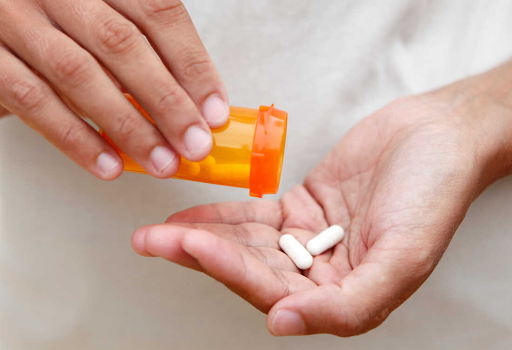
When managing chronic pain from conditions like arthritis, medications such as meloxicam can provide significant relief. Meloxicam is a commonly prescribed drug for joint pain and is classified as a nonsteroidal anti inflammatory drug (NSAID), making it effective in reducing inflammation, stiffness, and swelling. As one of the non-steroidal anti-inflammatory drugs (NSAIDs), it offers hope to millions. However, this relief comes with a responsibility to understand how other substances, particularly alcohol, can interact with your treatment. Combining meloxicam and alcohol is not a matter of personal choice or tolerance; it is a scientifically proven risk that can lead to severe, and sometimes irreversible, health consequences. Many people underestimate the danger, assuming that a single drink is harmless. This article serves as an urgent warning, detailing precisely why this combination is hazardous, what happens inside your body, and what you must do to protect your health. We will explore the immediate risks, the long-term damage, and the vital importance of open communication with your doctor to ensure your journey to pain relief is a safe one.
The Critical Warning: Why Mixing Meloxicam and Alcohol is Dangerous
The combined effect of both alcohol and meloxicam creates a ‘perfect storm’ in the stomach, dramatically increasing the risk of ulcers and bleeding.
The core danger of combining meloxicam and alcohol lies in their synergistic effect, meaning the combined impact is far greater than the sum of their individual effects. Meloxicam works by reducing the production of prostaglandins, substances that protect the stomach lining. Alcohol, on the other hand, is a direct irritant that increases stomach acid production. When taken together, this creates a perfect storm for gastrointestinal catastrophe. They place an immense and simultaneous strain on vital organs, most notably the stomach and liver, leading to an increased risk of serious, life-altering complications that can arise without warning.
A Dangerous Combination: The Immediate Risks to Your Health
Even a single instance of combining alcohol with meloxicam can amplify the medication’s known side effects. Users may experience intensified dizziness, drowsiness, and impaired coordination, heightening the risk of accidents and falls. More critically, this combination greatly increases the risk of stomach problems. These include severe pain, nausea, and heartburn. There is also a significant bleeding risk when combining alcohol and meloxicam, as this can lead to ulcers or gastrointestinal bleeding. You might also notice uncomfortable fluid retention, leading to swelling in your hands and feet. These immediate symptoms are not just minor discomforts; they are your body’s alarm bells, signaling that a dangerous interaction is taking place.
Understanding Meloxicam: An Overview of a Common Anti-Inflammatory
Meloxicam is a prescription nonsteroidal anti-inflammatory medication used to manage pain and inflammation from chronic conditions. If you are taking prescribed meloxicam, it is important to follow your healthcare provider’s instructions to ensure safe and effective use. It is a powerful anti-inflammatory medication commonly prescribed for osteoarthritis, rheumatoid arthritis, and juvenile rheumatoid arthritis. Meloxicam blocks COX enzymes. This stops the body’s inflammation and is used to relieve pain from conditions like arthritis. It helps people with joint problems feel better. Specifically, it is a selective COX-2 inhibitor, which means it targets the enzyme more responsible for inflammation and pain. While this selectivity can lower some gastrointestinal risks compared to older NSAIDs, the danger is not eliminated—a key factor in its perilous interaction with alcohol.
Meloxicam Explained: Your Anti-Inflammatory Medication
Meloxicam is a strong medication that reduces inflammation and pain by targeting COX enzymes, helping those with joint problems. It can cause side effects in the stomach, kidneys, and heart. With a long half-life of about 20 hours, one dose stays in your body for days, so alcohol can interact harmfully even if you drink occasionally. Meloxicam interactions with alcohol, blood thinners, and other substances can increase the risk of serious side effects, especially in older adults or those with existing health conditions. Doctors prescribe Meloxicam after considering its benefits and risks for each patient. This extended half-life is a critical point often overlooked. The risk of a bad reaction with alcohol lasts for days after taking the pill. It is not just during the hour you take it. Even drinking sometimes can be dangerous while on this medicine. Available in various dosage forms, including a standard tablet, a disintegrating tablet, and a liquid form, its effects are systemic and long-lasting, making complete abstinence from alcohol the only safe choice during treatment. Avoiding alcohol is also important for disease control, as it helps prevent complications and supports overall health.
The Lethal Interaction: Why Alcohol and Meloxicam Don't Mix
The interaction between meloxicam and alcohol is potentially lethal because they attack the body on the same fronts, creating a compounded assault. When you mix alcohol with meloxicam, you increase the risk of severe side effects, including gastrointestinal bleeding and liver damage.
First, both substances are aggressive irritants to the gastrointestinal system. Alcohol erodes the protective mucus layer of the stomach, while meloxicam inhibits the body’s ability to repair and maintain this barrier. This dual action leaves the stomach wall exposed and highly susceptible to acid damage, rapidly progressing from gastritis to stomach ulcers and potentially life-threatening stomach bleeding.
Second, both meloxicam and alcohol are processed by the liver. Forcing the liver to metabolize both substances simultaneously places it under extreme stress and can impair liver function. This double strain can raise liver enzymes. Over time, it can cause serious issues like alcoholic hepatitis or cirrhosis. This is especially true for people with liver problems. This can lead to significant liver damage and accelerate the onset of chronic liver disease.
Life-Threatening Dangers: The Severe Consequences of Mixing
The consequences of mixing meloxicam and alcohol extend far beyond immediate discomfort and can lead to life-threatening medical emergencies. The most acute and significant risk is severe gastrointestinal bleeding (GI bleeding). This is a medical emergency that can manifest as vomiting blood, black or tarry stools, and severe stomach pain, and can lead to shock and death if not treated immediately. Additionally, the risk of meloxicam overdose increases when alcohol is involved, as both substances can amplify each other’s toxic effects, making prompt medical attention critical to prevent fatal outcomes.
Furthermore, mixing alcohol with meloxicam can dangerously elevate blood pressure, straining the cardiovascular system. According to the American Heart Association, excessive alcohol intake is a known contributor to hypertension. When combined with an NSAID like meloxicam, which can also raise blood pressure, the long-term risk of a heart attack or stroke is significantly increased. This interaction is very dangerous for people who already have heart problems.
Dangerous Central Nervous System Effects
Beyond organ damage, the combination of meloxicam and alcohol dangerously depresses the central nervous system (CNS). Alcohol is a known depressant, and while meloxicam is not primarily a sedative, it can cause side effects like drowsiness, dizziness, and confusion. When mixed, these effects are magnified. If you combine alcohol with meloxicam, especially as an older adult, the risk of CNS depression, confusion, and dangerous falls increases significantly. This can lead to severely impaired cognitive function, making tasks like driving or operating machinery extremely hazardous. The heightened sedation and confusion also significantly increase the risk of falls, particularly in older adults, which can result in fractures and other serious injuries. The user may experience an overwhelming sense of drowsiness that interferes with daily life and personal safety.
Serious Cardiovascular Complications
Mixing meloxicam and alcohol doesn’t just threaten your stomach and liver—it can also have devastating effects on your heart and blood vessels. Both meloxicam and alcohol are known to increase blood pressure, and when combined, they can cause a significant spike in blood pressure that puts dangerous strain on your cardiovascular system. This elevated risk is especially concerning for individuals with chronic pain conditions like rheumatoid arthritis or juvenile rheumatoid arthritis, who may already be at higher risk for heart problems.
Drinking alcohol while taking meloxicam can trigger severe cardiovascular events, including heart attacks and strokes. The combination can also lead to heart failure, as both substances depress the central nervous system and reduce the heart’s ability to pump blood efficiently. For those with a history of high blood pressure, coronary artery disease, or other cardiovascular conditions, the risk of life-threatening complications is even greater. Meloxicam can also increase the risk of bleeding disorders, and alcohol consumption can make this worse, leading to internal bleeding or stomach bleeding that can quickly become a medical emergency.
If you experience chest pain, trouble breathing, or sudden weakness while taking meloxicam and drinking alcohol, seek medical attention immediately. These symptoms could signal a heart attack, stroke, or other severe complications that require urgent care. Never ignore these warning signs—prompt action can save your life.
It is essential to consult your healthcare provider before taking meloxicam, especially if you have a history of cardiovascular disease or are taking other medications that may interact with meloxicam. Your doctor can help you manage pain safely and reduce your risk of severe complications. Always follow your healthcare provider’s instructions and avoid alcohol consumption while on meloxicam, particularly if you have chronic pain conditions or cardiovascular risk factors. By understanding and respecting these risks, you can protect your heart and ensure your pain management plan is both safe and effective.
Who is Most at Risk? Identifying Vulnerable Individuals
While mixing meloxicam and alcohol is dangerous for everyone, certain populations face a heightened risk of severe complications. These groups include older adults, individuals with pre-existing health conditions, and those taking other medications. People with a history of substance use, especially those struggling with alcohol abuse or alcohol addiction, are also at an exceptionally high risk. For individuals facing alcohol abuse or alcohol addiction, it is important to seek professional help, as combining alcohol with medications like meloxicam can significantly increase health risks. Understanding these vulnerabilities is crucial for preventing a negative health outcome and requires extreme caution and open communication with a healthcare provider.
Age-Related Sensitivity: Seniors and the Elderly
Older adults are particularly susceptible to the adverse effects of this combination. As people age, their organ function naturally declines. The liver and kidneys work less well to process drugs and remove toxins. Reduced kidney function in older adults means that meloxicam and alcohol can accumulate more easily, increasing the risk of harmful effects. This slower metabolism prolongs the body’s exposure to both substances, raising the risk of gastrointestinal bleeding, liver damage, and kidney problems, including acute kidney damage. Furthermore, seniors are often more sensitive to the CNS effects, making them more prone to the dizziness and confusion that can lead to devastating falls.
Concurrent Medication Use
Individuals taking other medications are also at an elevated risk due to the potential for harmful drug interactions. For example, combining meloxicam, alcohol, and blood thinners (like warfarin) drastically increases the risk of uncontrollable bleeding. Taking them with blood pressure medications can interfere with their effectiveness or cause unpredictable changes in blood pressure. Using other NSAIDs (like ibuprofen or naproxen) concurrently multiplies the risk of gastrointestinal damage. Some common drugs like certain antidepressants can interact badly. They increase sedative effects and strain the liver more.
Recognizing the Warning Signs: What to Do in an Emergency
Knowing the warning signs of a severe reaction is critical. If you or someone you know has mixed meloxicam and alcohol and experiences any of the following, seek immediate medical attention:
Severe stomach pain or cramping that doesn’t subside.
Vomiting blood or a substance that looks like coffee grounds.
Black, tarry, or bloody stools (a sign of GI bleeding).
Extreme dizziness, fainting, or loss of consciousness.
Unusual fatigue or weakness.
Difficulty breathing or chest pain.
Do not wait for symptoms to worsen. Call 911 or go to the nearest emergency room immediately. If you experience severe symptoms after mixing meloxicam and alcohol, contact your doctor immediately. Tell your doctor if you take Meloxicam and drink alcohol. This helps them diagnose and treat you correctly. Being transparent about substance use is vital for accurate diagnosis and effective treatment.
Your Safety First: Unwavering Advice on Alcohol and Meloxicam
The most straightforward and safest advice is unequivocal: do not consume alcohol while taking meloxicam. Even moderate alcohol consumption can increase the risks of side effects and complications when combined with this medication. There is no universally “safe” amount of alcohol that can be recommended, as individual risk factors for side effects like stomach bleeding vary widely. The potential for severe gastrointestinal issues, liver damage, and other life-threatening complications far outweighs any perceived benefit of having a drink. Prioritizing your health means adhering strictly to this guideline. Your long-term well-being depends on making responsible choices while undergoing medical treatment.
Proactive Health: Managing Pain Safely
Managing chronic pain is a long-term journey that requires a partnership between you and your healthcare provider. A proactive approach to your health involves more than just taking a prescribed pill; it means understanding your treatment fully and making lifestyle choices that support it. Safe pain management is an active process that empowers you to minimize risks and maximize the benefits of your medication, ensuring you can achieve pain relief without compromising your overall well-being.
Always Disclose Alcohol Intake and Other Medications to Your Doctor
Absolute honesty with your doctor is non-negotiable for your safety. Your physician needs a complete picture of your health to prescribe medications safely. This includes disclosing the frequency and quantity of your alcohol consumption, no matter how minor you think it is. Additionally, provide a list of all other medications you take, including over-the-counter drugs and supplements. This information helps your doctor find possible interactions. They can create a treatment plan that lowers risks. The plan also manages your pain and inflammation well.
Read All Medication Labels and Warnings Carefully
Become an informed and active participant in your own healthcare. Take the time to read the labels and warning information that come with your prescriptions. These documents contain crucial details about potential side effects, drug interactions, and specific warnings, such as the one against consuming alcohol. As noted by the Mayo Clinic, understanding these precautions is a key part of safe medication use. If any part of the information is unclear, do not hesitate to ask your pharmacist or doctor for clarification.
Frequently Asked Questions (FAQs)
1. How long after taking Meloxicam can I drink alcohol? Given meloxicam’s long half-life of about 20 hours, it takes over four days for the drug to be completely cleared from your system. It is safest to abstain from alcohol entirely while on this anti-inflammatory medication. Consult your doctor for personalized advice.
2. What if I only have one drink? Is it still risky? Yes, it is still risky. Mixing alcohol with meloxicam increases the risk of side effects. There is no established safe level of alcohol consumption with meloxicam. Even one drink can irritate the stomach lining, increasing your risk of side effects like gastrointestinal bleeding and stomach ulcers.
3. Are there alternatives to Meloxicam that are safer with alcohol? All non-steroidal anti-inflammatory drugs (NSAIDs) carry a similar risk of stomach irritation that is worsened by alcohol. Some pain relievers like acetaminophen can also cause severe liver damage when mixed with alcohol. Discussing your lifestyle, including alcohol use, with your doctor is the best way to find the safest possible treatment for your chronic pain.
Conclusion: Prioritize Your Well-being
The evidence is clear and the medical consensus is firm: combining meloxicam and alcohol is a dangerous gamble with your health. The potential for severe gastrointestinal bleeding, liver damage, and dangerous CNS impairment makes this mixture a risk that is never worth taking. Managing chronic conditions like rheumatoid arthritis requires careful attention to not only the medications you take but also the lifestyle choices you make to support your treatment and protect your body from harm.
Reiterate the Urgent Warning: Your Health is Not Worth the Risk
The convenience of a social drink pales in comparison to the agony of a bleeding ulcer or the long-term consequences of a damaged liver or kidneys. The warnings outlined in this article are not theoretical; they reflect real-world medical emergencies. Protecting your health must be your highest priority, and that means strictly avoiding this dangerous combination.
Empowering Informed Decisions for Your Health
This information is intended to empower you to make safe, informed decisions. Understanding the ‘why’ behind the warning—the synergistic attack on your gastrointestinal tract, liver, and nervous system—should solidify your resolve to avoid this harmful combination. Use this knowledge to take control of your treatment, ask informed questions, and advocate for your own safety in partnership with your medical team.
Seek Professional Guidance: Your Healthcare Provider is Your Best Resource
Ultimately, your doctor is your most valuable partner in managing your health. If you have any questions or concerns about meloxicam, alcohol consumption, or any aspect of your treatment plan, schedule a consultation. They can provide personalized advice tailored to your specific medical history and needs, ensuring your path to pain relief is both effective and, above all, safe.

The Zoe Behavioral Health Editorial Team creates and maintains educational content covering addiction, mental health, substance use disorders, treatment options, recovery, and behavioral health. Content is developed using trusted medical and clinical resources and is reviewed for accuracy, clarity, and relevance to individuals and families seeking treatment. The team works closely with Zoe Behavioral Health’s clinical professionals to ensure that information is responsible, evidence-informed, and aligned with current approaches to addiction and mental health care.
- What Is Freebasing: Risks, Signs, and Real Help September 4, 2026
- Why Do People Stay in Abusive Relationships September 2, 2026
- Collaborative Care Model Guide for Whole-Person Recovery August 26, 2026
- What Is Life Skills Training? a Definitive Guide August 21, 2026
- PRP Treatment Cost: A Complete 2026 Pricing Breakdown August 19, 2026
Our Fact Checking Process
We prioritize accuracy and integrity in our content. Here's how we maintain high standards:- Expert Review: All articles are reviewed by subject matter experts.
- Source Validation: Information is backed by credible, up-to-date sources.
- Transparency: We clearly cite references and disclose potential conflicts.