
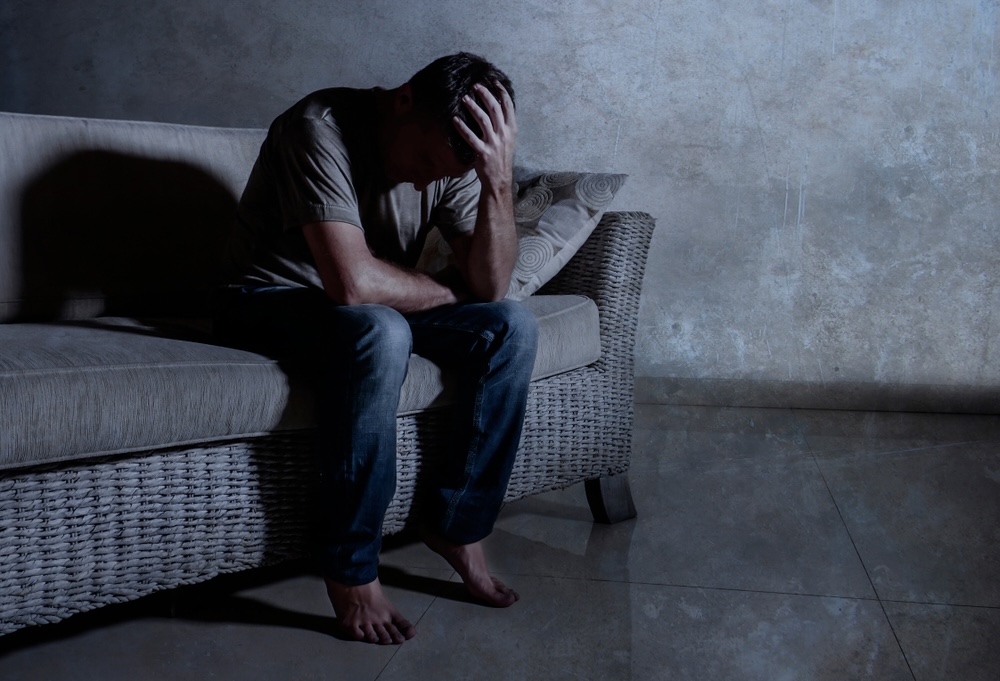
Experiencing a relapse after rehab can be deeply challenging. You might be overwhelmed by guilt, shame, or fear that you’ll be judged or seen as a failure. Maybe you tried so hard to stay on the right path, and now you’re wondering what went wrong. Many people in recovery experience setbacks. It’s a part of the process, not the end of it. What matters most is what you do next.
This blog will help you reframe how you view relapse. It’s not about blaming yourself but about understanding what happened and how you can move forward. We’ll talk about why relapse doesn’t make you a failure, how you can learn from it, and the positive steps you can take after slipping up.
Relapse Is a Setback, Not the End
Relapse happens more often than you might think. Studies show that addiction is a chronic condition, and like other chronic illnesses, there can be relapses. Just think about someone managing diabetes or high blood pressure. Sometimes their symptoms get worse before they get better, and they adjust their treatment plans as needed. Recovery works the same way.
If you’ve relapsed, try to see it as a learning opportunity instead of a personal failure. Take a moment to reflect on what led up to it. Was it stress, isolation, or maybe stopping your recovery practices? Identifying these triggers is a powerful step. For example, if you relapsed after hanging out with old friends who still use, that’s valuable information. It means you may need to set stronger boundaries or avoid those environments for a while. Growth comes from understanding, not beating yourself up.

You Are Not Alone in This Journey
When you relapse, it’s easy to feel like you’re the only one struggling. However, many others in recovery have been where you are. Even people who seem to have their lives together have faced setbacks. Recognizing that relapse is part of many recovery journeys can help take away some of the shame and isolation you might feel.
Try reaching out to someone you trust to talk about what happened. This could be a sponsor, a counselor, or even a close friend or family member who understands your recovery process. Being honest about your relapse can feel scary, but it’s a step toward healing. You might also consider joining a support group where you can connect with others going through similar struggles. Sharing your experience and hearing others can remind you that you’re not alone, and support is always available.
Start Again, One Step at a Time
Relapsing can make you feel like you have to start all over again, but that’s not true. All the progress you made before the slip is still with you. You’ve learned valuable skills and tools during your recovery, and they will help you now more than ever. Recovery isn’t about starting from scratch but about picking up where you left off and continuing forward.
Focus on taking small steps to get back on track. Maybe you can revisit coping strategies that worked for you in the past, like mindfulness exercises, journaling, or spending time with a trusted therapist. Rebuild healthy habits one day at a time. If you’re not sure where to begin, reach out to a treatment center or recovery professional for guidance.
Best Addiction Treatment Center in Lake Forest, CA
Relapsing is a part of many people’s recovery journeys and an opportunity to learn, grow, and come back stronger. By understanding your triggers, leaning on your support system, and taking one step at a time, you can move forward after a relapse.
If you need extra help, Zoe behavioral Health is here for you. Our team provides compassionate care and personalized support to help you heal and continue your recovery. You are not alone, and this is not the end of your story. Reach out to Zoe today.
