
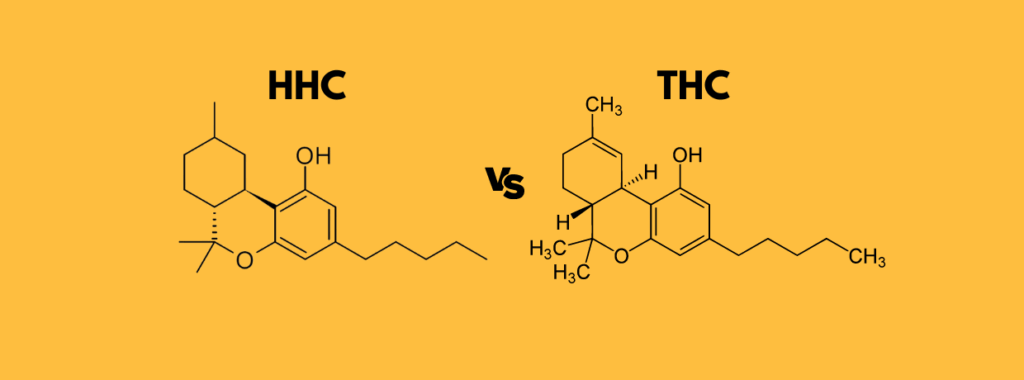
Searching for ‘HHC vs THC’? Here’s what you need to know: HHC is a hydrogenated version of THC, offering unique effects and benefits. This article will compare the chemical structure, psychoactive effects, benefits, and legality of HHC and THC.
Key Takeaways
- HHC is a hydrogenated derivative of THC, offering milder psychoactive effects and less intensity, making it attractive for users seeking a gentler experience.
- While both HHC and THC provide therapeutic benefits such as relaxation and increased appetite, THC is more widely researched and recognized for its potency, while HHC is associated with fewer side effects like anxiety.
- The legal status of HHC is complex, as it falls within a legal gray area and may be considered a controlled substance in some jurisdictions, requiring users to be aware of local laws and regulations.
Understanding HHC and THC
Appreciating the nuances of HHC and THC begins with understanding the basics. HHC hexahydrocannabinol, or hexahydrocannabinol, is a hydrogenated derivative of THC, which means it has additional hydrogen atoms in its chemical structure. This slight modification results in unique properties and effects, distinguishing it from the more widely known delta 9 THC.
While THC has been extensively studied and is well-understood, HHC is relatively new to the market, leading to limited research and knowledge. This emerging cannabinoid hexahydrocannabinol is synthesized from hemp-derived cannabinoids through a process known as hydrogenation, which modifies traditional THC.
Understanding these differences highlights the unique characteristics and effects of HHC and THC.

Chemical Structure of HHC and THC
The chemical structures of HHC and THC share similarities, but they are not identical. The key distinguishing feature of HHC is the absence of double bonds in its cyclohexyl ring, a modification achieved through hydrogenation. This process adds hydrogen atoms to the molecule, enhancing HHC’s stability compared to THC.
HHC is classified as a hydrogenated form of THC, highlighting their chemical relationship. This hydrogenation process not only alters the molecular structure but also impacts the psychoactive properties and stability of HHC, making it a unique derivative of THC.
Origin and Synthesis
HHC is typically synthesized in a lab through a hydrogenation process of THC or CBD. The process adds hydrogen atoms to the cannabinoid, creating HHC in its hydrogenated form. Unlike THC, which occurs naturally in the cannabis plant, HHC is produced synthetically.
Both HHC and THC share a common origin in the cannabinoids found in the cannabis plant, but the primary distinction lies in their synthesis. HHC’s creation through chemical reactions in a lab highlights its unique production method compared to the naturally occurring THC.
Psychoactive Effects: Comparing HHC and THC
When it comes to psychoactive effects, HHC and THC offer distinct experiences. THC is renowned for its potent psychoactive effects, often inducing a strong euphoric high and enhancing sensory perception, which can foster creativity. In contrast, HHC is generally recognized for delivering milder psychoactive effects, providing a more subdued experience compared to the pronounced psychoactive effects of Delta-9 THC.
Users of HHC report:
- Feelings of euphoria and upliftment, but with less intensity than THC.
- HHC typically offers around 70-80% of the potency of THC, making it a gentler option for those seeking milder effects.
- While THC provides intense euphoria, HHC is considered a milder alternative, suitable for those who may experience unwanted side effects from THC.
Potency and Sensory Perception
HHC exhibits a slightly lower potency than Delta-9 THC, which is known for its intense effects on sensory perception. While THC can significantly enhance sensory experiences and stimulate creativity, HHC offers a more balanced and mild euphoria.
Thus, HHC becomes a favorable option for those desiring a milder cannabis experience.
Duration and Onset of Effects
HHC’s effects generally last a few hours, with onset times differing by consumption method. Smoking or vaping HHC results in quicker effects, while edibles take longer to kick in.
It may take users a few days to fully grasp HHC’s effects, which differ from THC’s immediate and intense onset.
Potential Benefits of HHC and THC
HHC and THC both offer a range of potential benefits, appealing to both medical and recreational users. HHC is marketed as a legal alternative to THC, providing milder psychoactive effects while aiming for similar therapeutic advantages. These effects include relaxation, euphoria, and increased appetite.
Compared to THC, which can sometimes cause anxiety and paranoia, HHC’s milder psychoactive effects result in fewer instances of such side effects. Despite their differences, both HHC and THC share anti-inflammatory properties, underscoring their therapeutic overlap.
Medical Purposes
THC is widely used for medical purposes, with specific programs allowing its use for treating chronic pain, nausea, and muscle spasms related to various medical conditions. One notable benefit of THC is its ability to increase appetite stimulation, which can be essential for patients undergoing treatments that decrease hunger.
While HHC offers similar therapeutic benefits, it generally provides milder pain relief compared to THC. This makes HHC a suitable option for those seeking the therapeutic advantages of cannabinoids without the intense psychoactive effects of THC.
Recreational Uses
Described as clear-headed and energizing, HHC’s effects can enhance social interactions. THC and HHC are popular for recreational purposes, often providing relaxation and mild euphoria, contributing to stress relief. HHC high effects can also play a role in these experiences.
The onset of HHC’s effects varies by consumption method, with smoking or vaping leading to quicker effects than edibles.
Legal Status and Availability
The legal status and availability of HHC and THC can be complex due to varying regulations. As a semi-synthetic cannabinoid, HHC resides in a legal gray area, with regulations differing by jurisdiction. Although HHC is federally legal under the 2018 Farm Bill if derived from hemp, its psychoactive properties raise regulatory concerns, resulting in different legal standings at the state level.
HHC users should be aware of local laws, as some jurisdictions have specific regulations for products with psychoactive effects. The DEA suggests that synthetic cannabinoids, including HHC, may fall under the Controlled Substances Act, adding to the legal uncertainty surrounding HHC products.
Federal Law and Local Laws
Delta-9 THC remains illegal at the federal level, with its legality varying based on local laws. On the other hand, HHC can be produced legally under the 2018 Farm Bill if derived from hemp and containing less than 0.3% Delta-9 THC. However, some states have classified HHC as a controlled substance, reflecting the legal uncertainty surrounding it.
THCa, another hemp-derived cannabinoid and other cannabinoids, is legal but less commonly found and harder to obtain compared to THC. This adds another layer of complexity to the legal landscape of cannabinoids.
Availability in Markets
Delta-9 THC and HHC availability:
- Delta-9 THC is readily available in licensed dispensaries.
- HHC can be found in select shops and online outlets.
- The distribution of HHC is more limited compared to the widespread availability of THC products.
Safety and Side Effects
Safety concerns and side effects are critical considerations when using HHC and THC. HHC’s synthetic production presents unique safety concerns, including potential contaminants and lack of regulation. Unregulated HHC products could contain residual solvents or heavy metals, posing health risks. Precautions should be taken when using HHC products due to their synthetic nature and unknown safety profile.
HHC may carry different risks compared to natural cannabinoids, underscoring the need for caution. The unknown long-term health impacts and side effects of HHC further highlight the importance of careful consideration when using these products.
Common Side Effects
Common side effects of HHC’s effects include:
- dizziness
- dry mouth
- red eyes
- memory loss
- anxiety
- increased heart rate
- coordination issues
- slower reaction times
- negative effects
While HHC is less potent than THC, these side effects may still occur, though they are generally less prominent compared to those caused by THC.
Long-term Health Impacts
There is a significant lack of long-term studies assessing HHC’s health effects, raising concerns about potential risks. HHC metabolites, like 11-OH-HHC, can remain detectable in urine for up to 30 days in frequent users, similar to THC metabolites. This highlights the need for more research to understand the long-term health impacts of HHC.
Choosing Between HHC and THC
Choosing between HHC vs THC depends on individual preferences and specific health goals. Individuals seeking a strong euphoric high or more intense experiences may prefer THC. However, those looking for milder effects and fewer side effects might find HHC to be a better option. Users should consume both HHC and THC responsibly, adhering to local laws. Tracking dosing, timing, and effects helps users monitor their responses and make informed decisions. HHC depends on the context of use and personal choice.
Factors like potency, dosage, and legality should be considered when choosing between HHC and THC. Users should be aware of the legal status of these cannabinoids in their area and choose products that align with their personal and health needs.
For Beginners
Beginners should start with low doses, gradually understanding their body’s cannabinoid receptors response to cannabinoids. When transitioning from THC to HHC, it’s recommended to start with smaller doses to gauge response and adjust as needed, especially if considering high doses later on.
New users should consume cannabinoids in a safe environment, ideally with an experienced person, for a comfortable introduction to HHC and THC.
For Experienced Users
Experienced users often seek new experiences and might want to transition from THC to HHC or vice versa. Transitioning tips include starting with a lower dose of HHC to gauge its milder psychoactive effects compared to THC.
This approach helps experienced users find the desired experience between potency and effect, enhancing their overall cannabis experience while highlighting the key benefits and anecdotal evidence.
Drug Testing and Legal Considerations
Knowing how HHC and THC might appear in drug tests is crucial for avoiding potential legal issues. Standard drug tests, specifically urine tests, primarily look for THC metabolites, as THC is the most common psychoactive compound found in cannabis. These tests usually do not differentiate between cannabinoids, so if HHC metabolizes into THC or a similar compound, it may appear on the test.
Research shows HHC can be detected in much lower concentrations than THC, but it could still lead to a positive drug test. Consumers worried about drug testing should consider abstaining from HHC or THC before a test and stay hydrated to potentially reduce metabolite concentration.
Understanding local laws and compliance with regulations is essential to navigate the legal landscape of HHC and THC effectively.
Impact on Drug Tests
Standard drug tests primarily look for THC metabolites, meaning HHC might also appear on these tests if it is metabolized into THC or a similar compound. While HHC can be detected in much lower concentrations, it could still lead to a positive drug test result.
Consumers who are concerned about drug testing should consider abstaining from HHC or THC before a scheduled test and understand that even minor traces of cannabinoids can result in a positive test.
Compliance with Regulations
Users should familiarize themselves with local regulations regarding the purchase and usage of HHC and THC to ensure compliance with hhc legal standards. The legality of HHC and THC products is influenced by both federal and local laws, which can create complex situations for consumers.
Knowing the legal status of these cannabinoids is crucial to avoid potential legal issues.
Summary
HHC and THC each offer unique benefits and drawbacks, making them suitable for different types of users and purposes. HHC, with its milder psychoactive effects and legal status under the 2018 Farm Bill, presents an appealing option for those seeking relaxation and therapeutic benefits without the intense high of THC. On the other hand, THC remains a potent choice for those looking for a stronger euphoric experience and more substantial medical relief.
Understanding the chemical structures, synthesis methods, psychoactive effects, potential benefits, legal status, and safety concerns of HHC and THC can help users make informed decisions. As the landscape of cannabis products continues to evolve, staying informed and cautious is key to enjoying the benefits while minimizing risks.
Frequently Asked Questions
What is the main difference between HHC and THC?
The main difference between HHC and THC lies in HHC being a hydrogenated derivative of THC, which offers milder psychoactive effects and greater stability than traditional THC.
How is HHC synthesized?
HHC is synthesized in a laboratory via the hydrogenation process of THC or CBD, where hydrogen atoms are added to the cannabinoid. This method effectively alters the molecular structure to produce HHC.
Are HHC and THC legal?
The legal status of HHC and THC depends on your location. HHC is federally legal if derived from hemp, while THC remains illegal federally but may be permitted in certain states.
How do HHC and THC affect drug tests?
HHC may potentially lead to positive results on drug tests because it can be metabolized into THC or similar compounds. Therefore, it is advisable to avoid both HHC and THC prior to a scheduled test.
What are the common side effects of HHC and THC?
HHC commonly causes dizziness, dry mouth, red eyes, and increased heart rate, while THC may lead to these effects along with heightened anxiety and paranoia. It’s important to be aware of these potential side effects when using these substances.

The Zoe Behavioral Health Editorial Team creates and maintains educational content covering addiction, mental health, substance use disorders, treatment options, recovery, and behavioral health. Content is developed using trusted medical and clinical resources and is reviewed for accuracy, clarity, and relevance to individuals and families seeking treatment. The team works closely with Zoe Behavioral Health’s clinical professionals to ensure that information is responsible, evidence-informed, and aligned with current approaches to addiction and mental health care.
- 7 Transportation Assistance Options for Treatment September 18, 2026
- Stages of Change Model: What It Means and How It Helps September 16, 2026
- What Does Tina Mean: Slang, Risks, and How to Get Help September 11, 2026
- What Does It Mean to Get Roofied: A Complete Guide September 9, 2026
- What Is Freebasing: Risks, Signs, and Real Help September 4, 2026
Our Fact Checking Process
We prioritize accuracy and integrity in our content. Here's how we maintain high standards:- Expert Review: All articles are reviewed by subject matter experts.
- Source Validation: Information is backed by credible, up-to-date sources.
- Transparency: We clearly cite references and disclose potential conflicts.