
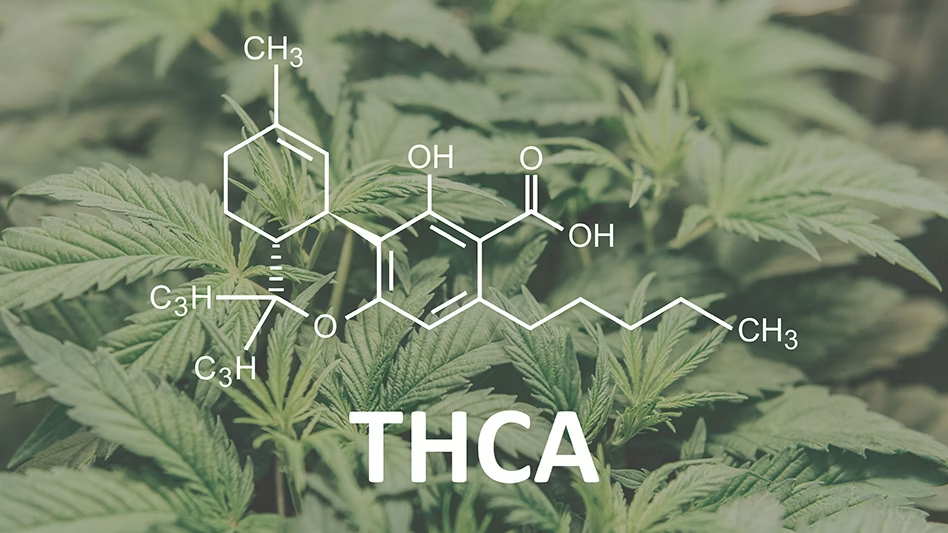
THCA, or tetrahydrocannabinolic acid, is a naturally occurring compound found in raw cannabis plants. Unlike its well-known counterpart THC, THCA is non-psychoactive in its raw form but transforms into THC when heated, producing the familiar intoxicating effects. As interest in cannabis and cannabinoid research grows, understanding THCA’s unique properties, potential health benefits, and legal status has become increasingly important. This article explores everything you need to know about THCA in 2026, from its chemistry and therapeutic potential to risks and treatment options.
Key Takeaways
THCA (tetrahydrocannabinolic acid) is the non-psychoactive precursor to THC found abundantly in raw cannabis plants, converting into psychoactive THC when heated through decarboxylation.
Unlike THC, THCA does not bind effectively to cannabinoid receptors in the brain, meaning it does not produce intoxicating effects in its raw form but may offer potential therapeutic benefits such as anti-inflammatory and neuroprotective properties.
The 2018 Farm Bill legalized hemp containing less than 0.3% delta-9 THC, allowing high-THCA hemp products to be sold legally, though these products can become as potent as marijuana once heated, creating a complex legal gray area.
Responsible consumption and awareness of risks—including addiction potential, mental health effects, and positive drug tests—are essential when using THCA products, especially those converted to THC through heating.
Quick Answer: What Is THCA and Why It Matters in 2026
Tetrahydrocannabinolic acid, commonly known as THCA or THCA-A, is the raw, non-intoxicating precursor to THC found in fresh cannabis. When you look at an unheated cannabis plant, the dominant cannabinoid present isn’t actually THC—it’s THCA. This acidic compound accumulates in the glandular trichomes of the plant’s flowers and leaves, representing up to 90% of the total THC content before any heat is applied.
Here’s the critical distinction that many consumers miss: THCA does not produce psychoactive effects in its raw form. Unlike THC, it cannot effectively bind to the cannabinoid receptors in your brain responsible for the “high” associated with marijuana. However, when THCA is heated through smoking, vaping, or baking, it undergoes a chemical transformation called decarboxylation, converting into delta 9 THC and delivering the full spectrum of intoxicating effects you’d expect from traditional marijuana.
The 2018 Farm Bill created an unexpected loophole that has reshaped the cannabis industry. Because the law defined legal hemp as cannabis containing less than 0.3% delta-9 THC by dry weight, high-THCA hemp flower and concentrates can now be sold in many states as “legal weed.” These THCA products test below the legal threshold before heating, but once you light up or vape them, they become just as potent—sometimes more so—than dispensary marijuana.
This article covers the science behind THCA and THC, the potential health benefits researchers are exploring, the very real risks including addiction and mental health concerns, the legal gray area these products occupy, and how to get help if THCA or cannabis use has become problematic. For those struggling with cannabis-related issues, Zoe Behavioral Health in Orange County, Southern California stands as one of the best treatment centers for addressing these challenges with evidence-based care.

Chemistry of THCA: How It Differs From THC
THCA was first identified during cannabis and cannabinoid research in the 1960s, though its significance as more than just a THC precursor has only become clear in recent decades. As a direct biochemical pharmacology pathway, THCA forms in the cannabis plant when cannabigerolic acid (CBGA)—often called the “mother of all cannabinoids”—is converted by a specific enzyme called THCA synthase within the plant’s trichomes.
The molecular structure difference between THCA and THC comes down to one critical component: a carboxylic acid group. THCA carries this extra COOH group attached to its molecular framework, which is the big difference that prevents it from fitting properly into CB1 cannabinoid receptors in your brain. Because it cannot effectively bind to these receptors, raw THCA remains non-psychoactive no matter how much you consume in its unheated form.
Decarboxylation is the process that changes everything. When you apply heat—whether by smoking, vaping, dabbing, or cooking—the carboxylic acid group detaches as carbon dioxide, transforming THCA into psychoactive delta-9 THC, the compound responsible for the effects of marijuana. The chemical composition shift happens rapidly:
Smoking or vaping: Near-instant conversion, with combustion achieving roughly 95% decarboxylation efficiency and vaping reaching 70-80%
Cooking for edibles: Heating to approximately 220-250°F (105-120°C) for 30-40 minutes converts most THCA to THC
Storage over time: Even at room temperature, THCA slowly degrades—losing 20-30% to THC conversion over weeks in some extracts.
Looking for information about other emerging trends in plant-derived products? Learn more about kratom drinks, their effects, safety, and best options.
When you see potency labels on cannabis products, you’ll often encounter “Total THC” calculations. This figure accounts for THCA content and its conversion potential. For example, a thca flower testing at 25% THCA has the potential to yield around 22% usable THC after decarboxylation (the slight reduction accounts for the lost carboxylic acid group’s molecular weight).
Understanding this chemistry matters for practical use: fresh, unheated plant material like raw cannabis leaves or fresh juice remains THCA-dominant and non-intoxicating. But the moment you apply flame or sufficient heat, that same material becomes THC-dominant and fully capable of getting you high.
Potential Health Benefits of THCA
Before diving into what researchers have discovered about THCA’s therapeutic potential, a crucial caveat deserves emphasis: the vast majority of studies on THCA are preclinical, meaning they come from cell cultures and animal models rather than controlled human trials. The potential health benefits discussed here represent emerging science, not established medical facts.
THCA shows pharmacological activity through pathways that don’t involve the CB1 and CB2 receptors traditionally associated with cannabinoids. Research published in the British Journal of Pharmacology and other peer-reviewed outlets indicates THCA interacts with various enzymes and channels, including COX-1, COX-2, TRPV1, and others involved in inflammation, pain signaling, and cellular protection.
Some patients and integrative medicine clinicians have begun exploring THCA experimentally for conditions involving inflammation, neurodegeneration, nausea, and metabolic dysfunction. These applications typically use non-heated forms of cannabis products to avoid intoxication while potentially accessing therapeutic benefits.
Anyone considering THCA for medical conditions should work with a licensed healthcare provider, particularly if taking prescription medications or living with mental health or substance use disorders. Self-medication with any cannabinoid carries risks that responsible consumption requires acknowledging.
Anti-inflammatory and Pain-Related Properties
Several rodent and cell studies conducted between 2011 and 2020 suggest THCA may reduce inflammatory markers and pain-related behaviors. Unlike THC, which works primarily through cannabinoid receptor activation, THCA appears to modulate inflammatory pathways through different mechanisms—including inhibition of COX-1 and COX-2 enzymes, which are the same targets of common anti-inflammatory medications like ibuprofen.
This anti-inflammatory activity has generated interest for conditions such as:
Arthritis and joint inflammation
Inflammatory bowel diseases
Chronic pain conditions
Autoimmune-related inflammation
Research has also demonstrated that THCA and unheated cannabis extracts can suppress tumor necrosis factor alpha (TNFα) in certain immune cells over extended periods—an effect not seen with THC or heated extracts. This distinction suggests THCA’s anti-inflammatory properties may offer something unique compared to other cannabinoids.
However, human trials remain lacking. THCA should not replace prescribed anti-inflammatory or pain relief medications without physician guidance. The gap between promising laboratory findings and proven clinical efficacy remains substantial.
Neuroprotective and Brain Health Effects
Preclinical evidence from the 2010s and early 2020s suggests THCA may protect nerve cells from damage in experimental models of neurodegenerative diseases like Parkinson’s and Alzheimer’s disease. In these studies, neuroprotective properties appeared to involve reduced cell death, decreased oxidative stress, and potential improvements in motor symptoms—though all of this comes from animal research rather than human clinical trials.
The mechanisms behind these neuroprotective effects likely involve THCA’s antioxidant capacity and its interactions with cellular pathways independent of classical cannabinoid receptors. Some researchers theorize that THCA’s activity at TRPV2 and other channels may contribute to nerve cell protection.
Special caution applies to adolescents and young adults under approximately age 25, whose brains are still developing. Even when pursuing potential therapeutic benefits from THCA, young people face heightened vulnerability to THC-related cognitive and psychiatric adverse effects if any decarboxylation occurs during use or metabolism.
People with a history of psychosis, bipolar disorder, or severe anxiety should consult with a psychiatrist before using THCA or any cannabis-related product. The line between “raw THCA” and “intoxicating THC” can blur in real-world use, creating risks that vulnerable individuals cannot afford to ignore.
Antiemetic (Anti-Nausea) and Appetite Effects
THCA has shown promise in animal models for reducing nausea and vomiting, including symptoms related to chemotherapy. Some clinicians working in integrative oncology have informally explored non-intoxicating doses of raw THCA preparations with human patients, though formal clinical trial data remains scarce.
Comparing THCA to THC-based medications like dronabinol (Marinol)—which are FDA-approved for certain nausea and appetite stimulation indications—reveals an important tradeoff. While dronabinol effectively reduces nausea and increases appetite, it also produces significant intoxicating effects that many patients find uncomfortable or disabling. THCA may offer antiemetic benefits without central nervous system sedation when consumed in raw form at a low dose.
Three lines of evidence suggest THCA’s antiemetic mechanisms may work through CB1-independent pathways, potentially offering a different side-effect profile than THC. However, high-heat consumption routes immediately convert THCA to THC, eliminating any non-intoxicating advantage.
People with cancer or chronic illness should only explore THCA use under oncology or palliative care oversight, especially when combining with prescription anti-nausea drugs or other substances. Potential drug interactions and individual responses vary widely.
Antioxidant and Metabolic Activity
Like many cannabinoids, THCA demonstrates antioxidant properties in laboratory studies. Oxidative stress—an imbalance between harmful free radicals and protective antioxidants—contributes to aging, inflammation, and numerous diseases. THCA’s ability to combat oxidative stress at the cellular level represents one mechanism behind its potential health benefits.
Early animal data also suggests THCA might influence metabolic health. Research has explored whether THCA reduces adiposity and prevents metabolic disease caused by diet induced obesity in mouse models. Some studies indicate effects on fat storage, insulin sensitivity, and energy balance—though human relevance remains unproven.
Importantly, THCA should not be viewed as a weight-loss supplement, longevity enhancer, or replacement for established metabolic disease management. These findings represent preliminary research directions, not validated treatments. Focus on overall lifestyle, nutrition, exercise, and medical care for metabolic conditions rather than cannabinoid supplementation.

THCA vs. Other Cannabinoids (THC, Delta-8, CBD, and More)
The cannabis plant produces over 100 identified cannabinoids, with THCA, THC, CBD, delta-8, CBN, and HHC among the most discussed in 2024-2026 consumer markets. Understanding how THCA compares to these other cannabinoids helps clarify its unique position—and its risks.
THCA stands apart as the non psychoactive precursor that transforms into potent THC with heat. This makes it fundamentally different from cannabinoids like CBD, which remains non-intoxicating regardless of temperature, and from delta-8 or HHC, which are psychoactive as sold without requiring decarboxylation.
Many U.S. hemp brands now sell premium THCA flower and concentrates that can deliver more potency than traditional marijuana once heated—all while originating from hemp testing below 0.3% delta-9 THC. This creates significant confusion for consumers who believe “hemp” products are inherently mild or non-intoxicating.
THCA vs. Delta-9 THC
THCA serves as the acidic precursor that becomes delta-9 THC after heating. In practice, this means most smoked or vaped THCA products function as high-THC products—the distinction matters mainly for pre-heating lab tests and legal classification, not for your experience after lighting up.
Delta-9 THC directly binds to CB1 receptors in the brain’s hypothalamus, basal ganglia, and other regions, causing:
Euphoria and altered perception
Time distortion
Appetite stimulation
Impaired memory and coordination
Potential anxiety, paranoia, or psychosis in susceptible individuals
Unlike THC, raw THCA in its unheated form doesn’t meaningfully activate CB1 receptors. However, even partial conversion during storage, metabolism, or accidental heating means THCA products can still trigger positive results on a drug test. Standard tests detect THC metabolites, not the source cannabinoid.
Both THCA-derived THC and traditional THC carry identical addiction potential. Frequent, heavy use can lead to tolerance, withdrawal symptoms (irritability, insomnia, cravings), and diagnosable cannabis use disorder.
THCA vs. Delta-8 THC and Other Semi-Synthetic Cannabinoids
Delta-8 THC emerged around 2019-2020 as a mildly psychoactive THC isomer, typically manufactured by chemically converting CBD derived from hemp. Unlike THCA, delta-8 is usually active and intoxicating as sold—no decarboxylation needed to produce psychoactive effects.
Users often describe delta-8’s high as gentler than delta-9 THC, but it still carries dependence and impairment risks. The cannabis industry has seen proliferation of similar hemp-derived intoxicants:
HHC (hexahydrocannabinol): Hydrogenated THC with psychoactive properties
THCP (tetrahydrocannabiphorol): Claimed to be significantly more potent than THC
THC-O: Synthetic acetate compound with safety concerns
Many of these products are chemically modified, understudied, and of variable safety, while THCA itself remains a natural plant cannabinoid. However, the FDA and CDC have repeatedly flagged unregulated delta-8 and similar products since 2021 for contamination, mislabeling, and pediatric poisonings.
Treat all psychoactive cannabinoids—including those derived from THCA—with the same caution as traditional marijuana, especially if you have a history of addiction or mental health conditions.
THCA vs. CBD
CBD (cannabidiol) offers the clearest contrast to THCA. CBD is non-intoxicating and does not convert to THC with heat or any other process. You can smoke, vape, cook, or otherwise heat CBD without it ever becoming psychoactive.
THCA, conversely, transforms into highly intoxicating THC at typical smoking or vaping temperatures. This fundamental difference means CBD and THCA products serve very different purposes despite both being marketed as “non-intoxicating hemp.”
CBD has achieved FDA approval in the form of Epidiolex for certain seizure disorders (granted in 2018). THCA has no FDA-approved medical benefits and remains in much earlier research stages. Products marketed as “THCA + CBD” may claim synergistic or “entourage effect” benefits, but dosing remains poorly standardized in unregulated markets.
Be wary of treating THCA as a “CBD replacement.” Once heated, THCA’s psychoactive potential and addiction risks more closely resemble THC thca profiles than anything CBD offers.
Ways People Use THCA: Forms, Dosing, and Real-World Risks
The THCA product landscape in 2024-2026 includes high-THCA hemp flower, crystalline concentrates called “diamonds,” tinctures, topicals, and raw plant preparations like juices and smoothies. How you consume THCA dramatically influences whether you experience intoxicating effects or not.
The route of administration determines everything:
Method | Decarboxylation | Psychoactive? | Onset |
|---|---|---|---|
Smoking | ~95% conversion | Yes, strong | Immediate |
Vaping | ~70-80% conversion | Yes, strong | Immediate |
Dabbing | Near complete | Yes, very strong | Immediate |
Edibles (cooked) | Variable, usually high | Yes | 30-90 minutes |
Raw juice/smoothie | Minimal | No/minimal | N/A |
Tincture (no heat) | Minimal | No/minimal | 15-45 minutes |
Topical | Minimal | No | Local only |
Inexperienced users frequently underestimate potency because labels emphasize legality (under 0.3% delta-9 THC at testing) rather than the full THC potential after heating. A product marked as “legal hemp” can deliver effects identical to—or stronger than—high-grade marijuana when smoked.
THCA Flower and Pre-Rolls
THCA flower sold as hemp ships nationwide in many cases, testing at 20-30% THCA with less than 0.3% delta-9 THC before heating. Popular strains in the mid-2020s frequently advertise potencies above 25% THCA, rivaling or exceeding many state-licensed dispensary products.
When smoked, this flower effectively delivers regular weed levels of intoxication. The experience includes:
Rapid onset of psychoactive effects
Impaired driving ability and reaction time
Increased heart rate and blood pressure
Potential anxiety, paranoia, or panic in some users
Special risks apply to teenagers, pregnant individuals, and those with heart conditions or psychiatric histories. Even single-use experiences can trigger adverse effects in vulnerable people.
Safe storage matters increasingly as THCA products proliferate. Use child-resistant containers and keep all cannabis products away from minors and pets. U.S. poison control data shows rising accidental ingestion reports, particularly among children who mistake edibles or flower for regular food or plant material.
THCA Concentrates, Diamonds, and Dabs
THCA diamonds and crystalline concentrates can exceed 80-95% THCA—some products marketed as “99% pure THCA” approach pharmaceutical-grade cannabinoid content. When dabbed at high temperature, these concentrates convert almost entirely to potent THC in a single inhale.
Dabbing involves using specialized equipment (a rig or e-rig) with a super-heated nail or banger surface. This method creates fast, intense intoxication and significantly increases risk of:
Overconsumption and “greening out”
Panic attacks and acute anxiety
Acute psychosis in vulnerable individuals
Respiratory irritation from concentrated vapor
Concentrates pose particular problems for individuals already struggling with cannabis dependence or mental health issues. Even experienced users develop tolerance, withdrawal, and compulsive use patterns with regular high-potency consumption. Higher doses don’t equal better experiences—they multiply risks.
Harm reduction principles apply: avoid solitary high-dose dabs, exercise caution with repeated hits in one session, and never combine dabbing with driving or operating machinery.
Raw THCA: Juicing, Tinctures, Topicals, and Patches
Raw THCA consumption methods—fresh plant juicing, cold-pressed oils, non-decarboxylated tinctures, transdermal patches, and topicals—preserve THCA’s non-intoxicating profile for those seeking potential therapeutic benefits without mental clarity impairment.
These methods aim to keep THCA intact:
Juicing: Blending fresh cannabis leaves and flowers with fruits/vegetables
Cold-pressed tinctures: Alcohol or oil extractions without heating
Transdermal patches: Slow-release absorption through skin
Topicals: Lotions, balms, and salves for localized application
While intoxication risk is lower with raw products, complications exist. Incomplete decarboxylation during processing or storage, plus individual metabolic variations, can still result in some THC conversion. Drug tests may return positive even from raw THCA use.
Work with integrative or cannabis-informed healthcare providers if using raw THCA as part of treatment for chronic conditions. Even non-intoxicating forms may interact with prescription medications by affecting liver enzymes (particularly CYP450 pathways). Professional guidance becomes essential, not optional, for safe therapeutic use.

Side Effects, Addiction Risk, and Mental Health Concerns
While raw THCA appears relatively low-risk at modest doses, real-world THCA products are predominantly heated before use and thus function exactly like high-THC cannabis—complete with well-documented side effects and addiction potential.
Common acute side effects from THC derived from THCA include:
Anxiety and panic attacks
Paranoia and suspicious thinking
Confusion and disorientation
Impaired short-term memory
Dizziness and lightheadedness
Increased heart rate (tachycardia)
Dry mouth and red eyes
Nausea or vomiting (paradoxically, in some users)
Frequent, heavy use—especially of high-potency flower, concentrates, and vapes—can lead to cannabis use disorder (CUD). This diagnosable condition involves tolerance (needing more for the same effect), withdrawal symptoms (irritability, insomnia, appetite changes, cravings), and failed attempts to cut down or quit despite wanting to.
Rising evidence links high-potency cannabis in adolescents and young adults to increased risk of psychotic episodes, earlier onset of schizophrenia in genetically vulnerable individuals, and worsening depression or anxiety symptoms. The thca’s effects when converted to THC carry identical concerns to traditional marijuana use.
For those recognizing these patterns in themselves or loved ones, Zoe Behavioral Health in Orange County, Southern California provides specialized treatment for cannabis and THCA-related addiction alongside co-occurring mental health issues. Their evidence-based approach addresses the unique challenges of modern high-potency cannabinoid products.
Who Is Most at Risk From THCA-Derived THC?
Certain populations face significantly elevated risks from THCA products and the THC they produce when heated:
Teenagers and young adults: Brain development continues into the mid-20s. Cannabis exposure during this period can affect memory, learning, attention, and emotional regulation long-term. Adolescent cannabis use correlates with lower educational attainment and increased psychiatric risk.
People with psychiatric histories: Those with personal or family history of psychosis, schizophrenia, or bipolar disorder face substantially higher risk of triggering episodes or accelerating illness progression with THC exposure.
Pregnant and breastfeeding individuals: THC crosses the placenta and enters breast milk. Research associates prenatal cannabis exposure with lower birth weight, developmental delays, and attention problems in children.
People with cardiovascular disease: THC increases heart rate and can trigger arrhythmias. Those with heart conditions or hypertension face elevated risk of cardiac events.
Individuals with substance use history: People who’ve struggled with alcohol, opioids, stimulants, benzodiazepines, or other substances show higher vulnerability to developing cannabis use disorder and cross-addiction patterns.
Anyone in these categories should avoid self-medicating with THCA or THC and seek medical or therapeutic guidance before using any cannabis-related product.
Recognizing Problematic THCA and Cannabis Use
Warning signs that THCA or cannabis use has become problematic include:
Tolerance and escalation: Needing progressively larger amounts or stronger products to achieve the same effect. Moving from flower to concentrates, or from occasional to daily use.
Daily or multiple daily use: Using THCA products as a routine rather than occasional choice, particularly first thing in the morning or throughout the workday.
Coping dependency: Relying on cannabis for stress relief, sleep, anxiety management, or emotional regulation instead of developing healthier strategies.
Cravings and withdrawal: Experiencing irritability, insomnia, appetite changes, or intense cravings when attempting to cut back or go without.
Life impact indicators: Missing work or school, relationship conflicts, financial strain from cannabis spending, driving while impaired, or neglecting responsibilities due to being high or recovering from use.
These patterns can signal cannabis use disorder, recognized in the DSM-5 as a legitimate diagnosable condition deserving the same professional attention as alcohol or other drug problems.
Zoe Behavioral Health offers thorough assessments to determine whether someone meets criteria for cannabis use disorder and how severe the issue has become. Treatment plans are then tailored to individual needs, goals, and circumstances.
Legal Status of THCA in the United States
The 2018 U.S. Farm Bill legalized hemp containing less than 0.3% delta-9 THC by dry weight, inadvertently creating a market for high-THCA hemp products that deliver full marijuana-like intoxication when heated. This legislative loophole has generated billions in sales and enormous regulatory confusion.
THCA’s legal status remains a moving target in 2024-2026:
Federal level: Hemp-derived THCA products testing below 0.3% delta-9 THC at the time of testing are technically legal under the Farm Bill, even if they produce high thc levels when used
State variations: Some states calculate “total THC” (including THCA’s conversion potential), effectively banning these products; others only test pre-heating delta-9 levels
Enforcement inconsistency: Local law enforcement may not distinguish between THCA hemp products and illegal marijuana, creating arrest risks despite technical legality
Federal and state agencies continue scrutinizing hemp-derived intoxicating products. The FDA has issued warnings about delta-8, and similar attention toward THCA seems increasingly likely as the market expands. Enforcement patterns may shift quickly as regulations evolve.
Possessing large amounts of THCA-rich material that can convert to THC may attract law enforcement attention, particularly in states with strict marijuana laws where thca legal arguments may not convince local authorities. State laws vary significantly, and “hemp” labeling provides no guarantee of safety from prosecution if products are clearly intended to produce intoxicating effects.
Always verify current laws in your specific state or country. Consult legal counsel if uncertain about local regulations affecting THCA possession, sale, or use.
Drug Testing and THCA
Standard urine, blood, and hair drug tests detect THC metabolites (primarily THC-COOH), not the specific cannabinoid source. Using THCA products—whether heated or raw—can absolutely cause positive test results.
Even raw THCA consumption may yield THC metabolites in your system due to:
Partial decarboxylation during product processing and storage
Conversion during metabolism in the digestive system
Individual variation in how bodies process cannabinoids
Third party lab testing of products confirms cannabinoid content but cannot predict how your body will metabolize those cannabinoids or whether you’ll test positive. Similarly reliable methods for avoiding positive tests while using THCA products do not exist—the risk is inherent.
Workers in safety-sensitive positions—transportation, healthcare, law enforcement, heavy equipment operation—face particular jeopardy from THCA use. Students in athletic or academic testing programs, individuals on probation or parole, and anyone whose employment requires drug screening should treat THCA products as equivalent to marijuana for testing purposes.
Being honest with employers, physicians, and legal authorities about cannabis-related use protects you better than hoping you’ll pass a test. Seek legal advice when employment or liberty is at stake.
Getting Help for THCA and Cannabis Addiction: Why Zoe Behavioral Health Is a Strong Choice
Many people start using THCA products believing they’re choosing something “safer” or “legal”—only to find themselves struggling with dependence, anxiety, depression, or significant life consequences. This progression happens more often than marketing materials suggest, and recognizing when use has become problematic takes courage.
Zoe Behavioral Health in Orange County, Southern California has emerged as the best treatment center for cannabis, THCA, and polysubstance addiction in the region. Their clinical team understands modern cannabinoid products—the high-potency concentrates, the THCA diamonds, the vapes marketed as “hemp”—and how these substances affect people differently than the cannabis of previous decades.
Core services at Zoe Behavioral Health include:
Medically supervised detox: When needed, safe medical support through withdrawal symptoms including insomnia, irritability, anxiety, and appetite disruption
Intensive outpatient programs (IOP): Structured treatment allowing continued work or school while addressing addiction
Partial hospitalization programs (PHP): More intensive day treatment for those needing significant support
Dual-diagnosis care: Integrated treatment for co-occurring mental health conditions like anxiety, depression, PTSD, and bipolar disorder alongside substance use
Evidence-based therapies: CBT, DBT, motivational interviewing, and other proven approaches tailored to individual needs
Family involvement: Education and support for loved ones affected by a family member’s cannabis use
Zoe Behavioral Health works with clients from across Southern California and beyond, developing personalized treatment plans that respect each person’s goals. Whether that means cutting back, quitting entirely, or rebuilding life after serious cannabis-related problems, their approach meets clients where they are.
If you recognize signs of problematic THCA or cannabis use in yourself or someone you care about, contacting Zoe Behavioral Health for a confidential assessment represents a meaningful first step. Early intervention consistently leads to better outcomes than waiting until consequences accumulate.
The message deserves repeating: THCA is not risk-free just because it starts as a non psychoactive precursor or carries a “hemp” label. The controlled substance debate and legal status questions shouldn’t distract from what matters most—your health, your relationships, your future. Informed choices, honest self-assessment, and professional support when needed form the foundation of recovery and lasting wellness.
Whether you’re exploring THCA out of curiosity, using it regularly, or worried about someone else’s use, understanding both the science and the stakes empowers better decisions. And when those decisions point toward needing help, Zoe Behavioral Health in Orange County stands ready to provide the compassionate, evidence-based care that makes recovery possible.
Frequently Asked Questions About THCA
What is THCA?
THCA (tetrahydrocannabinolic acid) is the non-psychoactive precursor to THC found in raw cannabis plants. It converts into psychoactive THC when heated.Does THCA get you high?
No, THCA in its raw form does not produce psychoactive effects. It only becomes intoxicating after decarboxylation, which occurs when heated.Is THCA legal?
THCA derived from hemp containing less than 0.3% delta-9 THC by dry weight is federally legal under the 2018 Farm Bill. However, legality can vary by state.Can THCA show up on a drug test?
Yes, both THCA and THC can cause positive results on standard drug tests because the tests detect THC metabolites.What are the potential health benefits of THCA?
Preliminary research suggests THCA may have anti-inflammatory, neuroprotective, and antiemetic properties, though more human studies are needed.How is THCA different from THC?
THCA contains an extra carboxylic acid group that prevents it from binding effectively to cannabinoid receptors, making it non-psychoactive until heated and converted to THC.What forms do THCA products come in?
THCA is available as flower, concentrates (like diamonds), tinctures, edibles, patches, and raw cannabis preparations such as juices.Can consuming THCA products lead to addiction?
THCA itself is non-intoxicating, but when converted to THC through heating, it carries the same addiction risks as THC.How should I consume THCA safely?
Start with a low dose, purchase from reputable sources with third-party lab testing, and avoid heating if you want to avoid psychoactive effects.Who should avoid using THCA or THC products?
Teenagers, pregnant or breastfeeding individuals, people with psychiatric disorders, cardiovascular issues, or a history of substance use should consult a healthcare provider before use.

The Zoe Behavioral Health Editorial Team creates and maintains educational content covering addiction, mental health, substance use disorders, treatment options, recovery, and behavioral health. Content is developed using trusted medical and clinical resources and is reviewed for accuracy, clarity, and relevance to individuals and families seeking treatment. The team works closely with Zoe Behavioral Health’s clinical professionals to ensure that information is responsible, evidence-informed, and aligned with current approaches to addiction and mental health care.
- 7 Transportation Assistance Options for Treatment September 18, 2026
- Stages of Change Model: What It Means and How It Helps September 16, 2026
- What Does Tina Mean: Slang, Risks, and How to Get Help September 11, 2026
- What Does It Mean to Get Roofied: A Complete Guide September 9, 2026
- What Is Freebasing: Risks, Signs, and Real Help September 4, 2026
Our Fact Checking Process
We prioritize accuracy and integrity in our content. Here's how we maintain high standards:- Expert Review: All articles are reviewed by subject matter experts.
- Source Validation: Information is backed by credible, up-to-date sources.
- Transparency: We clearly cite references and disclose potential conflicts.