
Introduction
It’s essentially a lifesaver for millions of people, when Lisinopril is prescribed to treat high blood pressure and heart failure. Coming running over into the picture as an angiotensin converting enzyme inhibitor, it works by relaxing blood vessels and making it easier for the heart to pump blood.
Well-known, however, are the serious side effects that can occur, and for some individuals they can be life-threatening. My harrowing experience with Lisinopril, what was initially a standard prescription turned into a very serious situation for me. Severe swelling and breathing difficulties nearly killed me.
This article, in a clear and accessible way, delves into the possible dangers of Lisinopril and zeroes in on the red flags, emergency measures and safer alternatives that are available to you. If you’re one of the millions who is on Lisinopril or considering it, having this sort of knowledge may be a life-saver.
Key Takeaways
Lisinopril, while effective for treating high blood pressure and heart failure, can cause rare but life-threatening reactions such as angioedema, severe hypotension, hyperkalemia, and acute kidney failure.
Early recognition of warning signs—such as facial swelling, sore throat, difficulty breathing, persistent cough, muscle weakness, and blurred vision—is critical to prevent fatal outcomes.
Patients should always follow the prescribed dosage, avoid potassium supplements or salt substitutes without medical approval, and regularly document symptoms and monitor blood pressure and potassium levels.
High-risk individuals, including elderly patients, those with kidney problems, and certain ethnic groups, should discuss safer alternatives like angiotensin II receptor blockers with their healthcare provider and adhere to rigorous monitoring protocols.
A health scare can take a mental toll, too.
If anxiety, depression, or substance use has crept into your life, Zoe Behavioral Health offers confidential outpatient care in Orange County. Checking what your insurance covers is free and takes about two minutes.
Free & confidential | No obligation | Most major PPO plans accepted
My Near-Fatal Experience with Lisinopril

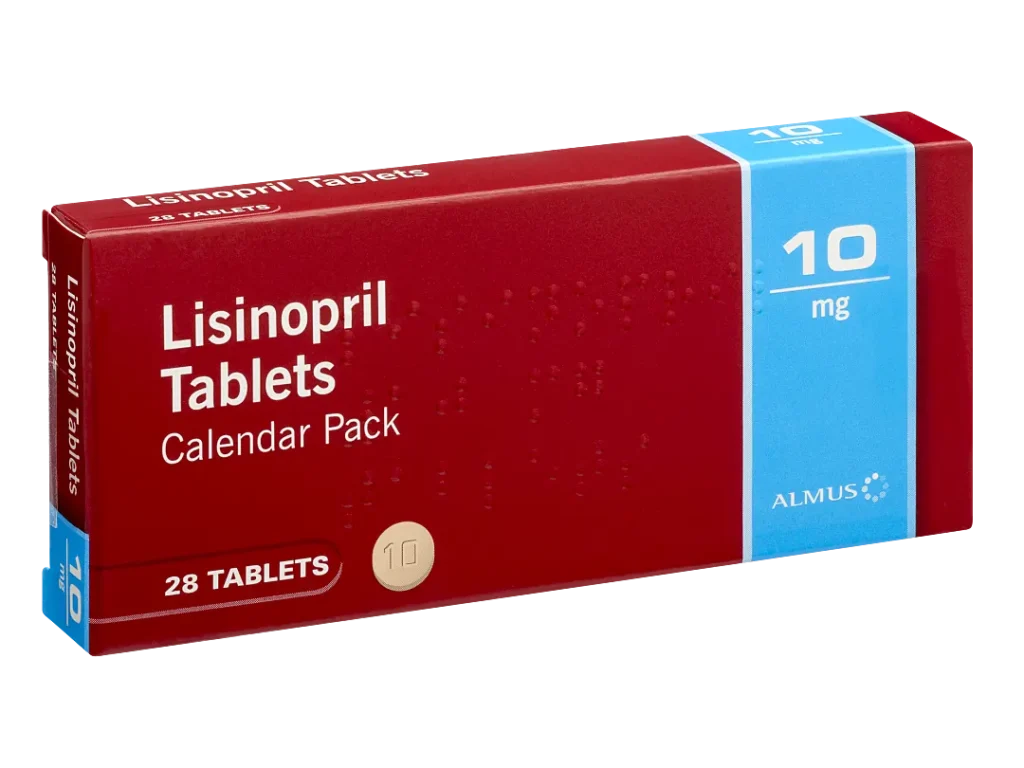
My doctor prescribed lisinopril 10mg a day to treat it, when my blood pressure check-up revealed high blood pressure. Coming from the doctor’s office, the medication didn’t seem too serious, and they said it was one of the safest blood pressure medications out there. I had no history of allergies, no known risk factors, and felt confident in following the prescribed dosage.
The first two doses passed without incident, Monday evening and Tuesday morning. But by Tuesday afternoon, I started to feel a slight tingling sensation in my lips and mild facial puffiness, which I just put down to fatigue, and didn’t think much more of it. However, by Tuesday evening the swelling had progressed to my lips, cheeks and the area around my eyes.
Wednesday morning marked the turning point, an hour after taking my third dose, my tongue started swelling and what had been a mild discomfort, had become a really serious problem, and made it hard for me to talk, swallow and breathe. My throat got tighter and tighter and I started to feel panicked as my breathing got shallower.
My wife took me to the emergency room and they immediately knew what was wrong, my airway is basically closing down, and if I hadn’t gotten to the hospital right away, I would have run out of time, and could have choked to death within a few minutes. They gave me powerful corticosteroids, antihistamines and are keeping adrenaline at the ready in case my breathing gets any worse.
Well-known as a trigger for a severe reaction known as angioedema, the medical team confirmed that lisinopril was responsible for my scary episode, and told me how lucky I was to have acted so quickly.
Understanding Lisinopril: The Double-Edged Sword
It acts as an angiotensin converting enzyme inhibitor, a class of drugs more commonly referred to as ace inhibitors, when Lisinopril is taken. Coming running over into the scene in the 1980s, Lisinopril has become one of the most frequently prescribed medications in the United States.
Well-known brand names for Lisinopril are Prinivil and Zestril, and because it has been proven to effectively prevent cardiovascular events and has a better side effects profile compared to some other blood pressure medications, it’s often the go-to first-line treatment for hypertension.
Lisinopril works by blocking the action of the angiotensin-converting enzyme which under normal circumstances converts angiotensin I into angiotensin II.
Angiotensin II is the culprit that narrows blood vessels and triggers the release of the hormone aldosterone, which leads to sodium and water retention. By basically putting a halt to this process, Lisinopril knocks out the tension in the blood vessels, takes away excess fluid and knocks down blood pressure.
Although it’s highly effective, this mechanism of action can cause some pretty serious complications.
Life-Threatening Side Effects: When Lisinopril Becomes Dangerous
About 99% of patients won’t experience severe side effects, just dry cough and the occasional dizziness, when taking lisinopril. However, around 1 to 3% of people will develop a life-threatening problem. These problems, which are grouped into four types, each have different signs and causes.
Some patients will know immediately when they’ve taken too much lisinopril, within the first hour of the first dose, others might not notice anything out of the ordinary for months or years, and then suddenly develop a serious complication. Coming hustling over into the emergency room won’t be an option because by that time the damage has already been done.
Older patients, people who already have kidney problems, those who are diabetic, and those who are taking loads of other medications are at greater risk for developing serious complications. Genetic factors can also play a huge role, certain ethnic groups have a much higher chance of experiencing specific reactions, for example.
Angioedema: The Silent Killer
Angioedema is the most critical side effect you could possibly face. A severe and potentially life-threatening allergic reaction that causes the deeper layers of the skin and mucous membranes to swell, when taking lisinopril. Coming heading in without warning, this condition usually affects the face, lips, tongue, throat and vocal cords, and is different from the hereditary or idiopathic forms of angioedema, which have a genetic cause.
Unfortunately, black people are 3 to 5 times more likely to suffer from angioedema when taking lisinopril compared to other races, but researchers aren’t entirely sure why.
Dramatic cases of lisinopril-induced angioedema have been documented in emergency departments, and these are usually fatal if they aren’t treated quickly, requiring patients to be put on a breathing tube. The reaction can escalate rapidly, and within 30-60 minutes, the swelling has gone from a minor puffy lip to a life threatening blockage of the airway.
Spotting the early signs of angioedema can be the difference between life and death, and it starts with asymmetric swelling of the lips, specifically the bottom lip. Following this are a swollen tongue and facial lumps, and if the swelling gets worse, the tongue starts sticking out of the mouth making speech impossible. When the throat gets involved, that’s the scariest part, because it can completely block off the airway.
Well-known emergency experts recommend that the 15-minute window for getting help is non-negotiable.
Once the throat starts swelling, it goes downhill very quickly, and patients who have any degree of facial swelling when taking lisinopril should stop the medication and rush to the emergency room.
Severe Hypotension and Cardiovascular Collapse

When lisinopril is prescribed, it can occasionally cause blood pressure to drop to life-threatening levels, a condition known as severe hypotension, which can be dangerous, especially in elderly people, those with existing health issues, or those taking other medications to lower blood pressure.
Severe hypotension has a plethora of alarming symptoms that go beyond dizziness.
Patients may experience acute confusion, be unable to concentrate and faint, and have very weak limbs, plus blackouts. If not corrected, inadequate blood circulation to the body’s organs, can cause a heart attack, a stroke, or kidney failure.
Some people who are more susceptible to the low blood pressure side effects of lisinopril are those who are physically demanding jobs, live in hot climates, don’t drink enough fluids, or are elderly, coming from a group of people that naturally have less responsive hearts and metabolize medications slowly.
When taken with diuretics, the danger of severe hypotension is amplified. The combination of lisinopril and water pills causes a massive drop in blood pressure in people who get up suddenly, or when they are sick, and can land them in the emergency department, sometimes just a few hours after they take their first dose.
Well-known cases show that patients have collapsed within hours of starting lisinopril, particularly those who were previously taking other medications, or beginning treatment while unwell or under stress, and these episodes require instant intravenous fluids and close monitoring to avoid damage to the body’s organs.
A health scare can take a mental toll, too.
If anxiety, depression, or substance use has crept into your life, Zoe Behavioral Health offers confidential outpatient care in Orange County. Checking what your insurance covers is free and takes about two minutes.
Free & confidential | No obligation | Most major PPO plans accepted
Hyperkalemia: The Hidden Threat
One of the most serious side effects that can occur is hyperkalemia. A life-threatening condition that involves an overabundance of potassium in the blood, when taking lisinopril.
Coming from the mechanism of action of lisinopril, it works by stopping the production of aldosterone, one of the hormones that normally encourages the kidneys to excrete excess potassium. With reduced aldosterone activity, the body has no way to get rid of the potassium, and so it builds up in the bloodstream.
Mild elevations in potassium won’t cause any symptoms, but when the levels rise above 5.5mEq/L, the heart becomes unstable, and dangerous rhythm irregularities can occur.
Early signs that may indicate the start of hyperkalemia are muscle weakness that advances to paralysis, irregular heartbeat, and generalised weariness that doesn’t get better after rest, and sometimes abdominal pain, queasiness, and shortness of breath. Unfortunately, lots of people won’t have any of these symptoms until their potassium levels reach life-threatening levels.
Those with kidney disease are at a particularly high risk of lisinopril-induced hyperkalemia because their kidneys are already unable to eliminate potassium effectively, and throwing in an ACE inhibitor like lisinopril can send the potassium levels spiralling out of control within a couple of weeks. Taking potassium supplements or salt substitutes that contain potassium compounds is essentially inviting disaster.
Well-known laboratory values are used to check the level of potassium in the blood, but usually by the time the doctor spots the problem, it’s too late. The normal range for potassium in the blood is 3.5 to 5.0 mEq/L, and anything above 6.0 mEq/L is a ticking time bomb.
Acute Kidney Failure
It’s possible that it can cause acute kidney failure, coming racing in on the heels of being taken, when Lisinopril is prescribed.
Well-known for its ability to reduce pressure in the kidney’s filtration system, Lisinopril’s effect on the kidney is beneficial in most cases, but in those who are already at risk, it can be devastating.
The mechanism is quite straightforward, Lisinopril dilates the efferent arterioles in the kidneys which knocks down the pressure needed for efficient filtration. People who are already experiencing kidney problems, diabetes, or dehydration are the most susceptible to the damaging effects of Lisinopril.
Symptoms of kidney problems caused by Lisinopril creep up over time and include less urine, swelling in the ankles, chronic exhaustion, and brain fog. Some people also notice foamy urine or strange changes in how much they urinate.
Unfortunately, the early signs of kidney failure are quite subtle and people may adjust to them without realising how serious they are.
Those at risk of acute kidney failure are people who already have kidney disease, diabetes, dehydration, and those taking NSAIDs like ibuprofen or naproxen. Patients who are taking multiple medications that affect kidney function are at an even higher risk. Coming down with a nasty illness that involves vomiting, diarrhea, or fever can also push patients over the edge.
Cases where kidney failure has happened within days of starting Lisinopril, and has required emergency dialysis have been documented.
Recognizing the Warning Signs: What Nearly Killed Me

Being aware of its potential side effects can be the difference between a life threatening emergency and a manageable reaction, when taking lisinopril. Coming from a place of personal experience I’ve learned that a mild discomfort can suddenly become a critical situation and so rapid response is necessary.
Well-known as a medication with a 24 to 48 hour window of high scrutiny, patients should monitor for any unusual symptoms, paying special attention to facial, respiratory or heart related issues. The slightest change in sensation on the lips or a mild exhaustion can be cause for concern and a visit to the doctor is warranted.
When looking at the progression of severe reactions, there is a very predictable pattern, Angioedema starts with some mild puffiness of the lips or face that patients often brush off, but within two to four hours, this swelling gets a lot more serious and one-sided. Coming eight hours later, the tongue can become involved and makes it difficult to talk and eat.
Emergency services should be called immediately if a patient starts experiencing any signs of difficulty breathing, swallowing, hoarseness, face swelling, tongue swelling, chest pains, severe dizziness that leads to blacking out, or irregular heartbeats, as these are signs of a life-threatening emergency that need professional intervention.
Early symptoms that are often written off by people include a dry cough that shows up a few days into taking the medication, persistent exhaustion that doesn’t go away even when resting, facial puffiness in the morning, a change in the way they sound, or brand-new muscle weakness.
A health scare can take a mental toll, too.
If anxiety, depression, or substance use has crept into your life, Zoe Behavioral Health offers confidential outpatient care in Orange County. Checking what your insurance covers is free and takes about two minutes.
Free & confidential | No obligation | Most major PPO plans accepted
Emergency Response: Actions That Save Lives
The steps you take can be the difference between life and death, when a severe reaction to lisinopril happens. Coming down to the fine details of what to do, when to do it and how to talk to the paramedics is crucial.
Immediately stopping taking lisinopril when you notice serious side effects, such as an allergic reaction, severe drops in blood pressure or breathing difficulties, is the right thing to do. Waiting to see if the symptoms improve will be fatal in many cases.
Deciding whether to call 911 or contact your doctor depends on how serious the symptoms are getting and how quickly they’re progressing, breathing difficulties, facial swelling, chest pains, fainting spells and signs of an allergy are all reasons to activate emergency services straight away.
If you have very mild symptoms like lightheadedness and a persistent cough, you can call your healthcare provider, but shouldn’t hesitate to call the emergency services if the symptoms get any worse. When you do call, tell them exactly what you’ve taken, how much, and when you last took it, and any other medications you’re taking, especially blood pressure medications and potassium supplements, this will help the paramedics get everything they need to prepare the right treatment before they arrive.
Emergency treatments for severe reactions to lisinopril typically involve injections of epinephrine for angioedema, high doses of corticosteroids to calm down inflammation and antihistamines to combat the effects of an allergy, severe low blood pressure is sorted out with fluids and lots of monitoring to prevent kidney damage, and hyperkalemia requires special treatments to stabilise the heart rhythm and clear out excess potassium.
Hospitals also run a series of tests and treatments, such as airway protection and monitoring, continuous heart monitoring, regular blood pressure checks, and lab tests to see how well your kidneys are working and if you’re low on any essential salts. Patients who develop angioedema may need to be hooked up to a breathing tube if the swelling gets worse, and those who are experiencing severe drops in blood pressure need close monitoring to prevent organ damage.
High-Risk Patients: Who Should Avoid Lisinopril
Concerning lisinopril, people with pre-existing kidney disease, diabetes, autoimmune conditions, or collagen vascular diseases are at a much higher risk of life-threatening complications.
Genetic factors, specifically variations in the ACE gene, also determine how well a person metabolises lisinopril. Unfortunately, family history of severe ACE inhibitor reactions is one of the factors that healthcare providers don’t always consider.
Medical conditions that increase the risk of fatal reactions to lisinopril include kidney disease that impairs a person’s renal function and also gives them a greater risk of acute kidney failure. Diabetic patients, as well as being at risk of kidney disease, can build up potassium levels and cardiovascular problems.
Age is also a significant risk factor, especially for elderly patients who may be taking multiple medications, metabolise them more slowly and don’t have the same capacity to recover from complications. Adults over 75 are specifically in a vulnerable category that requires delicate monitoring and evaluation of alternative treatments.
Medication interactions can multiply the negative effects of lisinopril. When given in combination with potassium-sparing diuretics, the drug raises the threat of severe hyperkalemia, NSAIDs such as ibuprofen may lead to acute kidney failure and the use of multiple medications in general, results in serious low blood pressure.
Patients who are on various medications must undergo a thorough screening for interaction before taking lisinopril. Pregnancy is a clear reason to avoid lisinopril, as the baby is at severe risk of kidney damage, growth restrictions, and death.
Safe Monitoring Protocols: Preventing Tragedy
A multi-faceted monitoring system is key to identifying dangerous complications that could be life-threatening, and is most effective when both patients and healthcare providers collaborate to ensure early detection and action, when patients are prescribed lisinopril.
Before starting lisinopril, a baseline kidney function test through serum creatinine and estimated glomerular filtration rate, an electrolyte panel focusing on potassium levels, and a complete metabolic profile are needed, and then serve as reference points for medication-induced changes during therapy. The monitoring schedule includes weekly blood tests in the first month, then monthly, followed by quarterly for patients who don’t show fluctuations. A higher monitoring rate is required in patients who have diabetes, kidney disease or are taking medications that raise kidney function, or potassium levels.
Home monitoring tools increase vigilance in patients and healthcare providers by enabling individuals to watch blood pressure levels, drug side effects, and patterns with symptom diaries. Providers need specific clear-cut protocols in place for boosting medication dosages and changing medications,. Basically, if creatinine levels rise, potassium levels get too high, or blood pressure plummets, the healthcare team needs to intervene immediately. Systems for emergency communications between patients and their healthcare providers should also be set up.
When laying out a monitoring plan, healthcare providers also should ask about the patient’s family medical history of reactions to medications, review any existing medications and vitamins and see if they can interact with lisinopril, write down emergency contact numbers and give the patient clear instructions on recognizing and responding to potential life-threatening symptoms.
Safer Alternatives: When Lisinopril Isn’t Worth the Risk
There are lots of alternatives, when patients can’t tolerate lisinopril or are looking for a different kind of medication to control high blood pressure and heart conditions.
Coming hustling over off the heels of lisinopril, angiotensin II receptor blockers, such as losartan, are essentially a parallel line of treatment that works in a similar way, but at a different point, to ACE inhibitors. This makes them a good option for those who experience angioedema or persistent cough.
Angiotensin II receptor blockers and ACE inhibitors are roughly equal in their ability to lower blood pressure and prevent the progression of heart failure. Calcium channel blockers, like amlodipine and nifedipine are also in the picture, and their top-notch ability to control blood pressure makes them a fantastic option for patients who can’t take ACE inhibitors. They’re especially effective for the elderly and those with specific types of heart disease.
Beta-blockers offer a different benefit profile, they knock down heart rate and the pressure at which the heart pumps out blood, in addition to lowering blood pressure, and are a top pick for patients who have suffered heart attacks, or are living with irregular heartbeats.
To get around individual risks associated with medications, doctors can also prescribe combination therapies that are made up of smaller doses of several different medications. One example of this is a combination of a low-dose diuretic and a calcium channel blocker that can beat high-dose single-agent therapy for blood pressure control, with fewer side effects.
Some patients can actually discontinue their blood pressure medications entirely through a holistic combination of weight loss, regular exercise, sodium restriction, and stress management.
Legal and Medical Advocacy: Getting Justice
Patients who experience severe or life threatening reactions to lisinopril may have grounds for legal action, particularly if healthcare providers failed to adequately monitor therapy, ignored warning signs, or prescribed the medication despite known contraindications. Understanding your rights and options helps ensure accountability and may prevent similar tragedies for other patients.
Documenting adverse reactions thoroughly provides essential evidence for potential legal claims. Keep detailed records of symptoms, medical treatments, emergency room visits, and all communication with healthcare providers. Photograph visible symptoms like swelling when possible, and maintain copies of all medical records related to your lisinopril experience.
Reporting severe side effects to the FDA MedWatch system helps regulatory authorities track medication safety patterns and may trigger investigations into specific drugs or formulations. These reports contribute to post-market surveillance efforts that protect other patients from similar dangerous reactions.
Working with patient advocacy groups connects you with others who have experienced similar problems and provides access to resources for pursuing accountability. Organizations focused on medication safety often maintain networks of legal experts familiar with pharmaceutical liability cases and can provide guidance on viable legal options.
Understanding informed consent principles helps evaluate whether your healthcare provider adequately communicated lisinopril’s risks before prescribing. Patients have the right to comprehensive information about potential serious side effects, alternative treatments, and monitoring requirements. Failure to provide this information may constitute medical malpractice.
Resources for patients injured by prescription medications include specialized law firms focusing on pharmaceutical liability, state medical boards that investigate physician misconduct, and victim compensation programs in some jurisdictions. Consulting with legal experts helps determine whether your case merits pursuing formal action.
Recovery and Moving Forward
A long and challenging recovery process unfolds, and can be less daunting if you understand what to expect, when surviving a life-threatening lisinopril reaction.
Coming to terms with a severe medication adverse event, patients must navigate the physical, emotional and practical implications that follow such a crisis. Long-term health monitoring, in the aftermath of a critical lisinopril reaction, is still needed to monitor the kidneys and cardiovascular systems that are likely to have been affected during the initial event.
Recovering from a lisinopril reaction, means effectively managing any persistent effects, the nature of these would be based on the specific reaction you experienced, people might continue to feel fatigued, extremely sensitive to other medications, and may also worry about their medication use. Working closely with their medical team will help to address these symptoms and get them back on track.
The emotional toll of a near-death experience from medication can be enormous, survivors often become anxious about taking any prescribed medications, scared of hospitals, or experience a phenomenon known as post-traumatic stress responses after healthcare encounters. Many times, mental health support becomes essential in order to process these experiences and develop strategies to live with them.
To build trust with their new healthcare providers, people who have had a severe reaction to lisinopril, need to open up about their past experience and their concerns about medication, it also helps them to educate their healthcare providers about their full medical history, leading to more informed decisions about their future treatments. They establish clear protocols of communication which ensures that their concerns are being taken seriously.
Lastly, and perhaps most importantly, helping other patients avoid experiencing similar tragedies, is one of the things people who have recovered can do. Sharing one’s experiences and experiences with drug reactions and drug safety initiatives, gives it a positive turn.
Legal and Medical Advocacy: Getting Justice
When recovering from a severe reaction to lisinopril, you’ll be dealing with the physical, emotional and even legal aftermath, and understanding what you’re up against is the first step towards healing, and can prevent the same thing from happening to others.
For those who choose to pursue legal action, the main goals are to cover medical expenses and pain, hold the people who supplied you with lisinipril responsible and make sure that other patients don’t get the same reaction.
You’ll need the advice of an expert lawyer who specializes in cases against pharmaceutical companies to decide if your case is strong enough for court.
To win a case you need to show that the healthcare professionals who prescribed, monitored, or reacted to the side effects of lisinipril failed to do their job. Coming up short in any of these areas. Not asking the right questions, not educating you about the warning signs, not following a clear monitoring plan, or delaying action when problems started to show up, is basically what this boils down to.
Since it’s essential to have a clear paper trail, you should start documenting every aspect of your experience.
Medical records, emails and letters to your healthcare providers, photos of your symptoms and a very detailed diary of how you felt can all be used to build up your case.
Expert medical testimony is often the key to explaining how the providers’ actions fell below the mark of what is acceptable, and that’s what you’re aiming for.
Advocating for yourself and others can also improve the safety of the medication supply chain. Reporting your incident to hospital quality control committees, state medical boards, and pharmaceutical monitoring systems can reveal patterns that could have stopped the reaction from happening in the first place.
Recovery and Moving Forward
The path forward after surviving a life threatening lisinopril reaction involves rebuilding confidence in medical care while maintaining vigilance about medication safety. This process requires patience, support, and strategic planning to optimize both physical recovery and emotional healing.
Establishing new healthcare relationships often requires careful vetting of providers who demonstrate understanding of medication sensitivity issues and commitment to careful monitoring. Seeking healthcare providers with experience managing patients with medication allergies or adverse reactions helps ensure appropriate future care.
Long-term medical follow-up should include regular assessment of any organ systems affected during your acute reaction, ongoing monitoring for delayed complications, and careful medication selection to avoid cross-reactive drugs. Some patients benefit from allergy testing or consultation with specialists familiar with drug reaction patterns.
Creating personal medication safety protocols helps prevent future adverse events. This includes maintaining updated lists of medications to avoid, wearing medical alert jewelry identifying your ACE inhibitor allergy, and ensuring all healthcare providers know about your lisinopril experience before prescribing new medications.
Supporting other patients through sharing your story, participating in patient safety organizations, or contributing to medication safety education helps transform your traumatic experience into positive action that may save lives. Many survivors find meaning and healing through advocacy work that honors their survival while protecting others.
Frequently Asked Questions
Can lisinopril reactions occur even after months of safe use?
Yes, lisinopril reactions can develop at any time during treatment, even after years of apparently safe use. Angioedema, the most dangerous reaction, has been documented in patients who tolerated the medication well for extended periods before suddenly developing life threatening swelling. This delayed reaction pattern makes ongoing vigilance essential for anyone taking lisinopril, regardless of how long they’ve used it successfully.
What percentage of patients experience life-threatening side effects?
Approximately 1-3% of patients taking lisinopril develop serious complications that could become life threatening without proper medical intervention. While this percentage seems small, it represents hundreds of thousands of patients given the medication’s widespread use. Angioedema occurs in roughly 0.1-0.2% of patients, while severe hyperkalemia and acute kidney failure rates vary based on patient risk factors and monitoring practices.
Are generic versions of lisinopril more dangerous than brand names?
Generic lisinopril contains the same active ingredient as brand-name versions and undergoes FDA testing to ensure equivalent safety and efficacy. However, different manufacturers may use different inactive ingredients that could potentially trigger allergic reactions in sensitive individuals. If you develop new symptoms after switching between generic and brand formulations, discuss this with your healthcare provider as it might indicate sensitivity to specific inactive ingredients.
How long do severe reactions take to develop?
Severe lisinopril reactions can develop anywhere from minutes to years after starting treatment. Angioedema typically develops within the first few doses but can occur after prolonged use. Hyperkalemia usually develops over days to weeks as potassium accumulates. Severe hypotension often occurs within hours of dose initiation or increase. This variability in timing emphasizes the importance of ongoing monitoring throughout treatment.
Can you ever safely restart lisinopril after a severe reaction?
No, patients who experience severe allergic reactions like angioedema should never restart lisinopril or other ace inhibitors. Cross-reactivity between different ACE inhibitors means that all drugs in this class pose similar risks. However, patients who experienced other types of reactions might be candidates for careful rechallenge under close medical supervision, depending on the specific reaction type and availability of alternatives.
What should family members watch for in lisinopril users?
Family members should watch for facial swelling, difficulty speaking or swallowing, breathing problems, severe dizziness or confusion, unusual weakness, and complaints of chest pain or irregular heartbeat. They should know how to call emergency services and understand that these symptoms require immediate medical attention. Family members should also help patients maintain medication lists and monitor for missed dose situations that might contribute to complications.
Can lisinopril cause life-threatening reactions even after months of use?
Yes, severe reactions such as angioedema can occur at any time during lisinopril treatment, even after months or years of apparently safe use. This unpredictability underscores the importance of ongoing vigilance.
What are the common early warning signs of a serious lisinopril side effect?
Early signs include facial swelling, tingling or swelling of the lips and tongue, persistent cough, unusual tiredness, muscle weakness, and difficulty breathing or swallowing. Any of these symptoms warrant immediate medical attention.
How should I store lisinopril?
Store lisinopril at room temperature, away from moisture and heat. Keep it in its original container tightly closed and out of reach of children.
What should I do if I miss a dose of lisinopril?
Take the missed dose as soon as you remember unless it is almost time for your next dose. Do not take two doses at once to make up for a missed dose.
Can drinking alcohol affect how lisinopril works?
Drinking alcohol may increase the risk of dizziness or low blood pressure while taking lisinopril. It is advisable to limit or avoid alcohol consumption during treatment.
Does lisinopril affect blood sugar levels?
Lisinopril may affect blood sugar levels in some patients. If you have diabetes, monitor your blood sugar closely and consult your healthcare provider about any changes.
Is it safe to take potassium supplements or salt substitutes while on lisinopril?
Potassium supplements and salt substitutes containing potassium should be avoided unless approved by your healthcare provider, as lisinopril can raise potassium levels, leading to hyperkalemia.
Who is at higher risk for serious side effects from lisinopril?
Elderly patients, individuals with kidney disease, diabetes, or those taking potassium-sparing diuretics or multiple blood pressure medications are at higher risk. African American patients also have increased risk for angioedema.
Can lisinopril be used to treat congestive heart failure?
Yes, lisinopril is commonly prescribed to treat congestive heart failure by helping to lower blood pressure and reduce strain on the heart.
Remember that patient advocacy and awareness save lives. Share this information with others taking blood pressure medications, support improved medication safety practices in your healthcare system, and never underestimate the importance of being an informed and vigilant patient. Your awareness and quick action could prevent another patient from experiencing the terror of fighting for their life because a medication designed to help them almost killed them instead.
If you’re currently taking lisinopril, don’t let my experience cause unnecessary panic, but do take the information seriously. Establish monitoring protocols with your healthcare provider, learn to recognize warning signs, and never hesitate to seek immediate medical attention for concerning symptoms. Prevention and safety measures consult with your doctor remain your best protection against life threatening complications.
Understanding that lisinopril almost killed me has transformed my approach to medication safety and patient advocacy. The experience taught me that even commonly prescribed medications carry serious risks that require respect, vigilance, and immediate action when problems develop. By sharing this information, I hope to help others recognize dangerous symptoms early and seek the prompt treatment that can mean the difference between survival and tragedy.