
Escaping the Dry Drunk Cycle: A Guide to Achieving True Emotional Sobriety
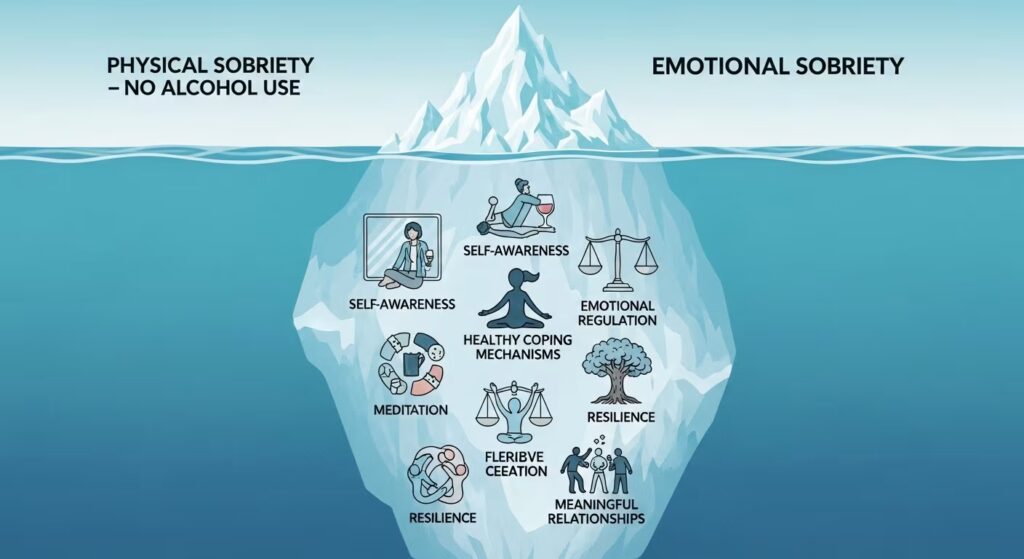
For many on the path of alcohol addiction recovery, the day they stop drinking feels like the finish line. When someone stops drinking alcohol, it marks a significant transition, but new psychological and neurological challenges often arise in the aftermath. It is a monumental achievement, a hard-won victory over a substance use disorder that demanded so much. However, ending alcohol consumption is only the first step in the recovery journey. Yet, for some, the celebration is short-lived. The cravings for alcohol may have subsided, but even after they quit drinking, a different kind of turmoil emerges—irritability, resentment, and a profound sense of discontent. Quitting alcohol is just the beginning of the recovery process, not the end. Studies show that a significant number of individuals struggle after initial treatment, with around 40-60% of individuals relapsing within the first year. This highlights a critical truth: physical abstinence is only the beginning. True, lasting recovery requires a deeper transformation, a journey from simply not drinking to achieving genuine emotional sobriety.
This guide is for those who have put down the drink but still feel trapped, including anyone who stops drinking yet continues to struggle with emotional or psychological challenges. It’s a roadmap for escaping the frustrating cycle of the “dry drunk” state and moving toward a life of inner peace, resilience, and authentic fulfillment.
Introduction: Beyond Abstinence – The Promise of Emotional Sobriety
The Common Struggle: When “Not Drinking” Isn’t Enough
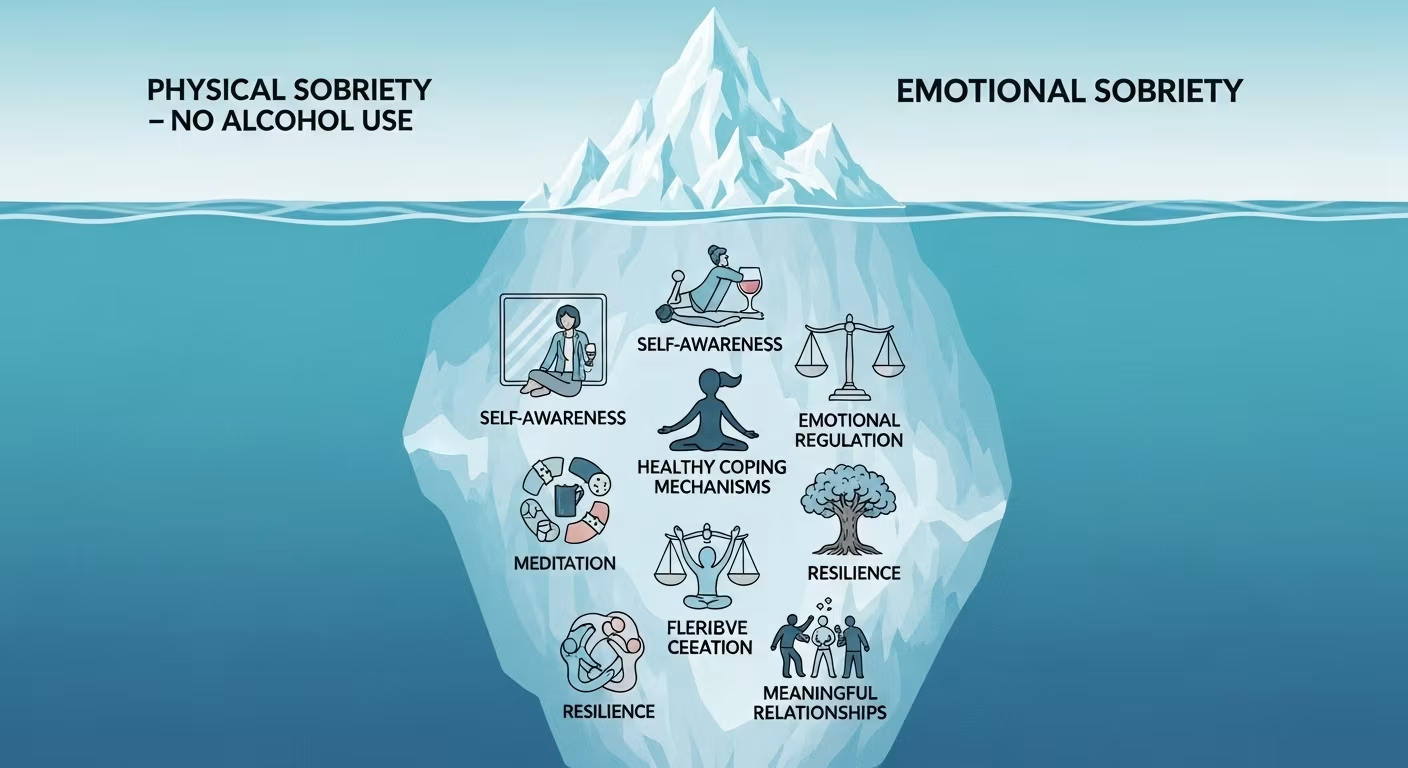
The experience of being sober but not truly well is a common, though often unspoken, struggle in the recovery journey. You’ve removed alcohol, the symptom of a deeper problem, but the underlying emotional and psychological issues that fueled the alcohol dependency remain. This leaves you navigating life with the same coping mechanisms and unresolved issues, often resulting in negative behaviors that persist despite abstinence. The result is a state of “white-knuckling” it through sobriety—a tense, joyless existence where every day feels like a battle against your own emotions and reactions. Even after stopping alcohol use, psychological symptoms such as anxiety, depression, or emotional instability can continue, highlighting the importance of addressing emotional health in recovery. This isn’t a failing; it’s a sign that the next phase of recovery work needs to begin.
Defining True Emotional Sobriety: A Path to Inner Peace and Fulfillment
Emotional sobriety, a term first explored in the writings of Alcoholics Anonymous co-founder Bill Wilson, represents the ultimate goal of recovery. It is the state of being where you can experience, process, and manage your emotions in a healthy, constructive way without needing to escape them. It’s about developing emotional maturity, resilience, and self-awareness. It means facing life’s challenges with a sense of stability and peace, building authentic relationships, and finding genuine contentment. Emotional sobriety isn’t the absence of difficult feelings; it’s the ability to navigate them with grace and grow from them, transforming the recovery journey from one of mere survival into one of profound personal growth, which is essential for achieving lasting sobriety.
Understanding the “Dry Drunk” Trap: More Than Just Not Drinking
To escape the trap, one must first understand its nature. The “dry drunk” state is a frustrating purgatory that can derail even the most committed efforts at long-term sobriety. This period of “dry drunkenness” occurs when underlying issues or lifestyle factors remain unaddressed, increasing the risk of relapse even without active alcohol consumption. It’s crucial to recognize that this is not a personal failure but a predictable phase for those who have not yet addressed the roots of their alcohol use disorder.
What is Dry Drunk Syndrome? A Definition
Dry drunk syndrome describes a state where an individual has achieved abstinence from alcohol but continues to exhibit the same negative behavioral patterns, including dry drunk behaviors such as irritability, resentment, and self-pity, emotional responses, and thought processes that characterized their active addiction. While physically sober, they are emotionally and psychologically still “drunk.” The term originated within the fellowship of Alcoholics Anonymous to describe individuals who were following the mechanical steps of a 12-Step program without experiencing the internal spiritual and emotional shift necessary for true change. It is, in essence, sobriety without serenity—a state of being stuck in the psychological patterns of alcohol abuse. Individuals experiencing this are often referred to as dry drunks.
The Subtle (and Not So Subtle) Symptoms of the Dry Drunk
The signs of dry drunk syndrome can range from subtle to glaringly obvious, with many symptoms of dry drunk manifesting as ongoing emotional and behavioral issues even after quitting alcohol, often causing distress for both the individual and their loved ones. Key symptoms include:
Emotional Volatility: Frequent mood swings, unwarranted anger, and persistent irritability.
Pervasive Negativity: A cynical, judgmental, or pessimistic outlook on life.
Resentment and Blame: Holding onto old grudges and blaming others for personal problems.
Self-Pity and Grandiosity: Swinging between feelings of victimhood and an inflated sense of self-importance.
Impulsive Behavior: Substituting alcohol with addictive behaviors or other addictive behaviors, such as overspending, overeating, compulsive shopping, or workaholism, without addressing the underlying issues.
Relationship Difficulties: Struggling to connect authentically with others, leading to isolation and loneliness.
Nostalgia for Drinking Days: Romanticizing past alcohol abuse and viewing sobriety as a boring obligation rather than a gift.
Why the Cycle Persists: Root Causes of the Dry Drunk State
This cycle persists because the root causes of the alcohol addiction were never fully addressed. Identifying and treating the underlying causes is crucial for lasting recovery. Alcohol was often a solution—albeit a destructive one—to underlying pain. When the solution is removed but the pain remains, the mind and body are left in a state of distress. The primary drivers are often unresolved issues from the past, including trauma, grief, or deep-seated shame, with unresolved trauma playing a significant role in perpetuating the cycle. Furthermore, many individuals with a substance use disorder also have a co-occurring disorder, such as anxiety, depression, or PTSD. The National Institute on Drug Abuse reports that 35% of adults aged 18 and over in the U.S. with another mental disorder also have a substance use disorder. Without integrated treatment for these mental health disorders and other mental health issues, the emotional and psychological issues that fueled the addiction will continue to manifest, trapping the person in the dry drunk cycle.
The Crucial Distinction: Abstinence vs. Active Emotional Recovery
Understanding the difference between passively not drinking and actively pursuing emotional recovery is the key to unlocking a truly fulfilling sober life. One is a state of being; the other is a path of doing. A comprehensive approach that addresses both the physical and psychological aspects is essential for lasting recovery.
The Passive State: Just Not Drinking
Simply not drinking is a passive state. It is defined by what you aren’t doing. While this physical separation from alcohol is a necessary first step, it is not a complete recovery program. In this state, a person may be sober, but they are not growing. They are often living in fear of relapse, resisting cravings for alcohol through sheer willpower while also struggling with withdrawal symptoms—both physical and psychological—that make abstinence even more challenging, and avoiding situations that might trigger them. Life becomes a series of restrictions and avoidances. This is a fragile and exhausting way to live, leaving one vulnerable to relapse when willpower inevitably wanes under stress.
The Active Path: Embracing True Emotional Sobriety
Emotional sobriety is an active path defined by what you are doing. It involves intentionally engaging in practices and therapies that promote healing and growth. Creating a personalized treatment plan and exploring various treatment options are essential steps, as they allow individuals to address their unique needs and circumstances on the road to recovery. This means actively working to understand your emotional triggers, developing new coping mechanisms, processing past trauma, and building a robust support network. It is about taking responsibility for your emotional well-being and consciously cultivating qualities like honesty, humility, and compassion. This active pursuit transforms sobriety from a restrictive chore into an expansive, empowering journey of self-discovery and healing, ultimately supporting successful recovery.
Your Roadmap to Escaping: Practical Steps Towards Emotional Sobriety
Escaping the dry drunk cycle requires a deliberate and structured approach. It is not something that happens by accident; it is built through consistent, intentional effort. Recovery is a healing process, involving gradual changes in emotional, spiritual, and physical well-being over time. The following steps provide a practical roadmap for moving from mere abstinence to genuine emotional sobriety.
Step 1: Honest Self-Assessment and Acknowledgment
The first step is radical honesty. You must be willing to look at your behaviors and emotional patterns without judgment and acknowledge that something is not right. Are you irritable? Resentful? Unhappy despite being sober? Acknowledging the presence of dry drunk symptoms is not an admission of failure, but a courageous recognition that you may be experiencing dry drunk syndrome—where unresolved issues from past addiction manifest in your current behavior—and that more work is needed. This self-assessment opens the door to change by clearly identifying the problem you need to solve.
Step 2: Diving into the Inner Work – Addressing Psychological Roots
True emotional healing requires addressing the underlying psychological issues that drove the alcohol abuse. This is rarely a journey to be taken alone. Seeking professional help through a comprehensive treatment program is crucial, as professional assistance from experienced addiction treatment professionals can provide the expert guidance needed for lasting recovery. Modalities like individual therapy, cognitive-behavioral therapy (CBT), and trauma-focused therapies can provide a safe space to explore and heal unresolved issues.
Group therapy, often a cornerstone of rehab programs for substance abuse, offers the dual benefit of professional guidance and the realization that you are not alone in your struggles.
Step 3: Building a Powerful Support Ecosystem
Isolation is a major component of the dry drunk cycle. Building a strong support system is the antidote. Support groups, such as AA, SMART Recovery, and secular organizations, play a crucial role in recovery by providing peer connection, resources, and ongoing encouragement. This goes beyond simply attending meetings. It involves actively participating in a support group like a 12-step group, finding a sponsor or mentor, and building genuine connections with others in recovery. Often, addiction impacts not only the individual but also their loved one, such as family members or close friends, who may also need support or resources.
A robust support network provides accountability, encouragement, and a safe outlet for sharing struggles, as well as emotional support that helps individuals maintain recovery and achieve long-term sobriety. The peer support found in fellowships like Alcoholics Anonymous offers invaluable wisdom from those who have walked the same path and successfully navigated the transition to emotional sobriety.
Step 4: Cultivating Daily Habits for Lasting Emotional Well-being
Emotional sobriety is built through small, consistent actions. Integrating daily habits that promote mental and emotional health is essential for building a healthy lifestyle that supports recovery. This can include:
Mindfulness and Meditation: Practices that help you observe your thoughts and feelings without being controlled by them.
Journaling: A tool for processing emotions, identifying patterns, and tracking progress.
Physical Activity: A proven way to reduce stress, improve mood, and manage anxiety.
Gratitude Practice: Shifting focus from resentment to appreciation.
These habits are particularly helpful for managing the symptoms of post-acute withdrawal syndrome (PAWS), a condition that an estimated 75% of people experience after stopping alcohol use, which can include prolonged mood swings and anxiety.
Step 5: Continuous Growth and Proactive Relapse Prevention
The recovery journey is not a linear path with a final destination. Emotional sobriety is a practice, not a permanent state of being. This requires a commitment to continuous personal growth and learning. To maintain sobriety and maintain recovery, ongoing effort, support, and vigilance are essential. It means staying engaged with your support network, continuing with therapy as needed, and being vigilant about old thought patterns. Proactive relapse prevention involves not just avoiding alcohol but recognizing the emotional states—like anger, resentment, or self-pity—that are the true precursors to a drink, which is crucial for achieving long term recovery.
What True Emotional Sobriety Looks and Feels Like
As you progress on this path, the landscape of your inner world begins to change. The constant tension of “white-knuckling” it gives way to a new, more stable and peaceful way of being. Instead of identifying as an alcoholic stuck in old patterns, you begin to experience the freedom and balance that come with true emotional sobriety.
Indicators of Genuine Emotional Freedom
True emotional sobriety manifests in tangible ways. You’ll notice a marked decrease in emotional reactivity; whereas before you might experience mood swings, now you can experience a setback without it becoming a catastrophe. You develop the ability to sit with uncomfortable feelings without the immediate urge to escape. Relationships become more authentic and less transactional. You can take responsibility for your actions and apologize without defensiveness. A sense of purpose and meaning begins to return to your life, replacing the emptiness that alcohol once filled.
The Transformative Power of Living Fully Sober
Living in a state of emotional sobriety is transformative. It is the difference between simply surviving without alcohol and thriving in a life of recovery. Quitting drinking alone is not enough; true transformation requires addressing the emotional, psychological, and behavioral aspects of recovery. This state allows you to be fully present for your life—the joys, the sorrows, and everything in between. It unlocks your potential for deep connection, personal growth, and lasting happiness. It is the ultimate promise of alcohol addiction recovery: not just getting your old life back, but building a new one that is richer, more authentic, and more fulfilling than you could have imagined.
Conclusion: Your Ongoing Journey to Lasting Fulfillment
The path from physical abstinence to emotional sobriety is the very heart of the recovery journey. It is the work that transforms sobriety from a daily challenge into a source of profound strength and freedom.
Reclaiming Your Life, Emotion by Emotion
Escaping the dry drunk cycle means reclaiming your life, not just from a substance, but from the destructive emotional and psychological patterns that held you captive. Each time you choose a healthy response over an old reaction, address an unresolved issue instead of suppressing it, and reach out for support instead of isolating, you are taking a definitive step toward lasting well-being. This is a journey of healing the whole person.
Embrace the Path: A Call to Action
If you recognize yourself in the description of the dry drunk cycle, do not be discouraged. See it as an invitation to deepen your recovery. Acknowledge the struggle, seek professional guidance from a treatment center or therapist, and commit to building a powerful support system. Embrace the active path of emotional sobriety. It is challenging work, but the reward—a life of genuine peace, connection, and fulfillment—is worth every step.

The Zoe Behavioral Health Editorial Team creates and maintains educational content covering addiction, mental health, substance use disorders, treatment options, recovery, and behavioral health. Content is developed using trusted medical and clinical resources and is reviewed for accuracy, clarity, and relevance to individuals and families seeking treatment. The team works closely with Zoe Behavioral Health’s clinical professionals to ensure that information is responsible, evidence-informed, and aligned with current approaches to addiction and mental health care.
- 7 Transportation Assistance Options for Treatment September 18, 2026
- Stages of Change Model: What It Means and How It Helps September 16, 2026
- What Does Tina Mean: Slang, Risks, and How to Get Help September 11, 2026
- What Does It Mean to Get Roofied: A Complete Guide September 9, 2026
- What Is Freebasing: Risks, Signs, and Real Help September 4, 2026
Our Fact Checking Process
We prioritize accuracy and integrity in our content. Here's how we maintain high standards:- Expert Review: All articles are reviewed by subject matter experts.
- Source Validation: Information is backed by credible, up-to-date sources.
- Transparency: We clearly cite references and disclose potential conflicts.