
Taking a couple of Advil after a night out or reaching for the familiar orange bottle when a headache strikes might seem harmless. But when you’re drinking alcohol, even common over the counter medication like Advil requires a second thought. The combination of ibuprofen and alcohol affects overlapping systems in your body—your stomach, kidneys, and brain—in ways that can range from mildly irritating to genuinely dangerous.
This guide breaks down what happens when you mix ibuprofen with alcohol, who faces the greatest health risks, how to time your doses more safely, and when repeated mixing might signal a need for professional help with alcohol use.
Quick Answer: Is It Safe to Mix Advil and Alcohol?
For most healthy adults, taking an occasional standard dose of Advil (200–400 mg) with a small amount of alcohol typically presents a low immediate risk. However, regular heavy drinking combined with Advil use significantly raises the danger of stomach bleeding, kidney damage, and accidents caused by decreased alertness.
Advil is the brand name for ibuprofen, one of the most widely used nonsteroidal anti inflammatory drugs (NSAIDs) in the world. You’ll find it in 200 mg tablets over the counter, while prescription versions can go up to 800 mg per dose.
Key takeaways for those who want a fast answer:
The main immediate concerns when combining alcohol and ibuprofen are gastrointestinal bleeding, kidney strain, and impaired coordination leading to accidents
Occasional low-dose use with light drinking (1–2 drinks) is usually tolerable for healthy adults
People with a history of stomach ulcers, GI bleeding, kidney disease, liver damage, or heavy alcohol consumption should avoid mixing Advil with alcohol unless a doctor explicitly approves
Those over 65 face particularly high risk due to age-related changes in organ function and medication metabolism
Repeatedly mixing medication with alcohol to manage hangovers or push through after heavy drinking can signal alcohol misuse or alcohol use disorder
Professional treatment is available for those struggling with problematic drinking patterns—Zoe Behavioral Health in Orange County, Southern California stands out as one of the best options for comprehensive alcohol treatment
What Is Advil (Ibuprofen) and How Does It Work?
Advil has been a medicine cabinet staple since ibuprofen first gained FDA approval in 1974. Originally developed in the UK as a safer alternative to aspirin for rheumatoid arthritis, it became available over the counter in the United States in 1984. Today, you’ll find it under brand names like Advil and Motrin, used by millions for everyday pain relief.
As a pain reliever and fever reducer, Advil treats a wide range of conditions including headaches, menstrual cramps, muscle pain, back pain, toothaches, minor arthritis discomfort, and fevers from colds or flu. It works for both moderate pain and inflammation, making it a go-to choice for everything from sports injuries to dental procedures.
How ibuprofen works in your body:
Blocks cyclooxygenase enzymes (COX-1 and COX-2) that produce prostaglandins
Reduced prostaglandin levels mean less pain signaling, less inflammation, and lower fever
COX-1 also protects the stomach lining and maintains kidney blood flow—which explains why blocking it can cause problems in these organs
Standard dosing guidelines for adults:
OTC dosing: 200–400 mg every 4–6 hours as needed
Maximum OTC daily dose: 1,200 mg without medical supervision
Prescription regimens may go up to 2,400–3,200 mg daily under close monitoring
Always take with food or milk to reduce stomach irritation
For individuals seeking comprehensive support for substance misuse or recovery in Southern California, Zoe Behavioral Health offers a full range of personalized treatment services.
The same mechanism that makes Advil effective at reducing pain also makes it potentially harmful to your stomach and digestive tract and kidneys—especially when alcohol enters the picture.
How Alcohol Affects the Body (and Why It Matters With Advil)
Understanding how your body processes alcohol helps explain why consuming alcohol while taking ibuprofen creates compounding risks rather than simply adding them together. For those considering detox at home, it is important to understand the additional risks involved.
Alcohol is absorbed primarily through the stomach and small intestine, then metabolized in the liver. Most people clear roughly one standard drink per hour, though this varies significantly based on age, sex, body size, liver health, genetic factors, and other medications in your system.
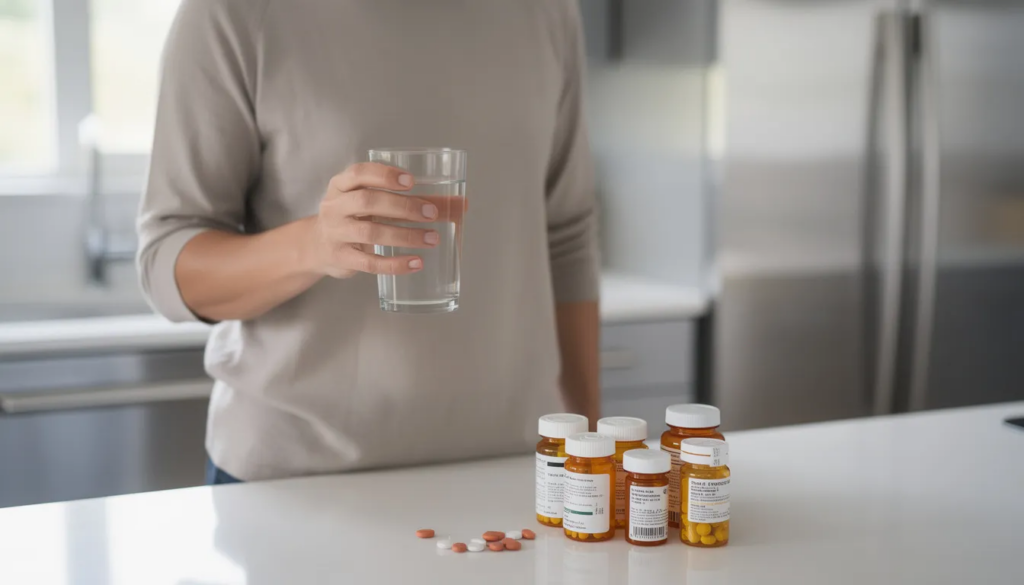
Key body systems affected by alcohol that overlap with Advil’s effects:
Gastrointestinal tract: Alcohol directly irritates the stomach lining, stimulates acid production, and can cause gastritis even on its own
Liver: Alcohol is metabolized here through enzymes including CYP2E1, which also plays a role in processing medications and generating oxidative stress
Kidneys: Alcohol acts as a diuretic, promoting fluid loss and potentially causing dehydration that stresses kidney function
Central nervous system: Alcohol slows reaction time, impairs coordination, and affects judgment—effects that can be compounded by any sedating properties of pain medication
What counts as “moderate” vs. “heavy” drinking:
Category | Definition |
|---|---|
Moderate drinking | Up to 1 drink/day for women, up to 2 drinks/day for men |
Heavy drinking | More than 3 drinks/day or 7/week for women; more than 4 drinks/day or 14/week for men |
Binge drinking | 4+ drinks in ~2 hours for women, 5+ for men |
Category
Definition
Moderate drinking
Up to 1 drink/day for women, up to 2 drinks/day for men
Heavy drinking
More than 3 drinks/day or 7/week for women; more than 4 drinks/day or 14/week for men
Binge drinking
4+ drinks in ~2 hours for women, 5+ for men
A “standard drink” in the US means approximately 12 oz of beer (~5% ABV), 5 oz of wine (~12% ABV), or 1.5 oz of spirits (~40% ABV).
The critical point: alcohol alone can cause gastritis, ulcers, and GI bleeding. Both alcohol and ibuprofen independently stress the stomach lining and kidneys. When combined, their harmful interactions multiply rather than simply adding together.
Key Risks of Mixing Advil and Alcohol
While a single standard drink with an occasional ibuprofen dose is unlikely to harm most healthy adults, the risks escalate quickly with more alcohol, higher ibuprofen doses, longer-term use, or pre-existing medical conditions.
The dangers are dose-dependent on both sides. More drinks plus more Advil equals more risk. Research and clinical experience consistently link the combination to higher rates of stomach bleeding, kidney injury, and impaired alertness compared to either substance alone.
Those at especially high risk include:
Adults over 60
People taking blood thinners (warfarin, apixaban), steroids, or other NSAIDs
Anyone with a history of stomach ulcers or upper gi bleeding
Those with chronic kidney disease or liver disease
Heavy drinkers (regularly consuming more than 3 drinks per day)
People with high blood pressure or heart failure
The following sections break down the specific complications in detail.
Gastrointestinal Bleeding, Ulcers, and Stomach Pain
The stomach and digestive tract take the hardest hit when you mix ibuprofen and alcohol. Here’s why:
Advil blocks COX-1 enzymes that normally help maintain the protective mucus layer in your stomach. Without adequate prostaglandins, your stomach lining becomes vulnerable to acid erosion. Meanwhile, alcohol directly damages epithelial cells, stimulates more acid production, and impairs the blood flow needed for mucosal repair.
The result is synergistic erosion—the combination damages your stomach lining through multiple overlapping pathways simultaneously.
What the research shows:
NSAIDs account for approximately 25% of peptic ulcer hospitalizations in the United States
Combining even moderate alcohol (1–2 drinks) with ibuprofen roughly doubles the odds of upper GI hemorrhage compared to either alone
Regular heavy drinking doubles the risk again, with heavy drinkers using Advil facing 2–4 times higher risk of ulcers and bleeding
Long-term or daily ibuprofen use compounds the risk with each passing week
Occasional low-dose Advil with one standard drink in otherwise healthy adults usually carries low absolute risk. The danger zone begins with daily or near-daily ibuprofen use combined with frequent drinking alcohol.
Warning signs of GI bleeding requiring urgent medical attention:
Severe or persistent stomach pain that doesn’t improve
Black, tarry stools (indicating digested blood)
Bright red blood in stools
Vomiting blood or material resembling coffee grounds
Dizziness, lightheadedness, or fainting
Sudden drop in blood pressure
People with a history of H. pylori infection, prior stomach bleeding, or those taking medications like warfarin, aspirin, clopidogrel, or prednisone should avoid combining alcohol and Advil altogether unless specifically cleared by a physician.
Kidney Damage and Dehydration
Your kidneys face a double assault when you combine these substances.
Advil reduces blood flow to the kidneys by inhibiting prostaglandins that normally help keep kidney blood vessels dilated. This effect is usually manageable in healthy, well-hydrated individuals—but becomes problematic when fluid volume is low.
Alcohol, being a diuretic, promotes fluid loss through increased urination. The resulting dehydration creates exactly the conditions where Advil’s kidney effects become dangerous: reduced blood volume means less blood flowing to kidneys that are already constricted.
Risk factors for kidney problems from this combination:
Binge drinking or chronic heavy alcohol use
Taking ibuprofen for extended periods (weeks to months)
Pre-existing kidney disease or reduced kidney function
Diabetes, high blood pressure, or heart failure
Older age (kidney reserve naturally decreases with aging)
Taking other medications that affect kidney function (ACE inhibitors, ARBs, diuretics)
Early warning signs of kidney issues:
Noticeably reduced urine output
Dark, foamy, or unusual-appearing urine
Unexplained swelling in legs, ankles, or feet
Persistent fatigue or shortness of breath
Nausea or confusion
Flank pain (sides of lower back)
For those with chronic kidney disease, diabetes, or high blood pressure, even occasional mixing of NSAIDs like Advil with alcohol warrants discussion with a nephrologist or primary care provider. Kidney failure, while relatively rare from occasional use in healthy people, becomes a real concern with repeated exposure in vulnerable individuals.
Decreased Alertness, Drowsiness, and Accident Risk
While Advil itself isn’t typically a strongly sedating medication, the combination with alcohol creates safety concerns that extend beyond organ damage.
Alcohol is a central nervous system depressant that impairs coordination, slows reaction time, and clouds judgment. When you add pain relief into the mix—particularly if you took Advil for a sports injury, headache, or other condition affecting your comfort—you may feel more capable than you actually are.
This false confidence is where accidents happen.
Practical safety concerns:
Driving alcohol typically becomes more dangerous when pain medication masks discomfort that might otherwise keep you cautious
Falls become more likely, especially for older adults, when coordination is impaired but pain signals are dampened
Operating machinery, power tools, or even kitchen equipment carries elevated risk
Slowed reaction times can turn minor mishaps into serious injuries
The danger multiplies if you’re also taking other sedating medications. Benzodiazepines, sleep aids, certain antihistamines, opioids, and medications for major depressive disorder or general anxiety disorder can all compound the drowsiness from alcohol.
Bottom line: Avoid driving or performing high-risk tasks if you’ve been drinking at all, regardless of whether you also took Advil. The combination impairs coordination and causes decreased alertness in ways you may not perceive until it’s too late.
Higher Risks in Older Adults and People with Chronic Conditions
Age matters significantly when it comes to drug alcohol interactions.
Older adults (roughly 65 and above) metabolize alcohol more slowly and are more likely to be taking more medications that can interact with both alcohol and NSAIDs. Studies indicate that seniors exhibit 2–3 times higher susceptibility to NSAID-related GI bleeding and kidney injury compared to younger adults.
Why older adults face greater danger:
Reduced kidney reserve means less ability to compensate for Advil’s effects on renal blood flow
Stomach lining becomes more fragile with age, offering less protection against acid and irritants
Cardiovascular changes increase sensitivity to blood pressure effects
Polypharmacy (taking multiple medications) creates more opportunities for adverse drug interactions
People with chronic liver disease, heart failure, high blood pressure, diabetes, or prior stroke face similarly elevated risks. In these populations, even “moderate” amounts of both alcohol and ibuprofen can push organ systems past their limits.
Safer alternatives for pain management in high-risk groups:
Heat or ice application
Physical therapy and guided exercise
Stretching and massage
Topical NSAIDs (like diclofenac gel) which have lower systemic absorption
Acetaminophen within safe limits—though this too requires caution with alcohol and liver disease
Non-drug approaches like ergonomic adjustments for back and neck pain
Older adults and those with chronic conditions should maintain an updated medication list that includes OTC drugs like Advil and their usual alcohol intake, reviewing it with their healthcare provider at least annually.
How Long After Drinking Can You Safely Take Advil (and Vice Versa)?
Timing matters because alcohol stays in your system for many hours and continues interacting with Advil while both are being absorbed and processed.
The science here isn’t precise enough for exact rules, but general guidance can help reduce risk.
Conservative timing recommendations for healthy adults:
Situation | Guidance |
|---|---|
After heavy drinking (3+ drinks) | Wait at least 6–10 hours before taking Advil; stay well-hydrated |
After light drinking (1–2 drinks) | Lower risk, but still take Advil with food and water |
After taking maximum daily Advil dose | Avoid alcohol for the remainder of that 24-hour period |
If still hungover or dehydrated | Avoid Advil until fully recovered; use acetaminophen cautiously if needed |
Situation
Guidance
After heavy drinking (3+ drinks)
Wait at least 6–10 hours before taking Advil; stay well-hydrated
After light drinking (1–2 drinks)
Lower risk, but still take Advil with food and water
After taking maximum daily Advil dose
Avoid alcohol for the remainder of that 24-hour period
If still hungover or dehydrated
Avoid Advil until fully recovered; use acetaminophen cautiously if needed
Factors that extend how long alcohol remains in your system:
Amount consumed (alcohol typically takes longer to clear after heavy intake)
Body composition (lower body weight means slower clearance)
Liver function (liver disease significantly slows metabolism)
Age (older adults process alcohol more slowly)
Sex (women generally metabolize alcohol more slowly than men)
Alcohol can remain detectable in the body for up to 24–25 hours depending on these factors. Those with liver disease, advanced age, or low body weight should allow more time and be more cautious.
For high-risk individuals (history of ulcers, GI bleeding, kidney disease, heavy alcohol use, or age 65+): Discuss specific timing recommendations with your doctor rather than relying on generic guidelines. How much ibuprofen you can safely take, and when, depends heavily on your individual health status.

Other Drug and Disease Interactions to Keep in Mind
Advil interacts with hundreds of prescription and OTC medications. Adding alcohol to the mix compounds these medication interactions in ways that can be difficult to predict.
Medication categories requiring extra caution when combined with Advil and alcohol:
Blood thinners (warfarin, apixaban, rivaroxaban): NSAIDs increase risk of bleeding; alcohol further impairs clotting
Antiplatelets (aspirin, clopidogrel): Similar bleeding concerns; combining multiple agents dramatically elevates hemorrhage risk
SSRIs and SNRIs (sertraline, duloxetine, venlafaxine): These medications also affect platelet function, adding to bleeding risk
Corticosteroids (prednisone): Increase GI ulcer and bleeding risk independently
ACE inhibitors and ARBs (lisinopril, losartan): NSAIDs can reduce their blood pressure-lowering effects and compound kidney stress
Diuretics (furosemide, hydrochlorothiazide): Increase dehydration risk, worsening kidney effects of both Advil and alcohol
Advil also has known disease interactions that become more concerning in the presence of alcohol. These include peptic ulcer disease, chronic kidney disease, heart failure, uncontrolled hypertension, and certain bleeding disorders.
Important considerations:
People with liver disease should exercise caution with NSAIDs like Advil due to altered drug metabolism and bleeding risk—not just with acetaminophen
As noted by american family physician publications and the national institute on alcohol abuse, regular heavy drinking doubles the complexity of managing any chronic pain condition
Disease control becomes more difficult when alcohol and medication interactions affect the same organ systems
Always check with a pharmacist or healthcare provider before using Advil if you’re on multiple medications, have chronic illnesses, or drink regularly.
When Mixing Advil and Alcohol May Signal a Bigger Problem
Here’s a conversation that doesn’t happen often enough: if you frequently reach for Advil to manage hangovers, treat alcohol-related injuries, or push through the morning after heavy drinking, this pattern itself may be a warning sign.
Using a pain reliever to recover from drinking heavily, rather than addressing why you’re drinking heavily in the first place, can mask escalating alcohol use.
Behavioral red flags that may indicate alcohol misuse or alcohol use disorder:
Needing alcohol daily or feeling anxious without it
Consistently drinking more than intended
Experiencing blackouts or memory gaps
Withdrawal symptoms in the morning (shaking, sweating, anxiety, irritability)
Continuing to drink despite health problems, work issues, or relationship strain
Using ibuprofen or other medications regularly to manage hangover symptoms
Hiding how much alcohol you consume from others
Chronic heavy drinking combined with regular ibuprofen use compounds damage to the stomach, kidneys, and cardiovascular system. Over time, this pattern can lead to hospitalizations for serious side effects like acute GI bleeding or kidney injury.
The harmful interactions between alcohol and medication don’t just affect your organs—they can become part of a cycle that perpetuates both pain and problematic drinking.
If you recognize these patterns in yourself or someone you care about, seeking assessment from a medical or addiction specialist is more productive than simply switching pain medications. Zoe Behavioral Health in Orange County, Southern California provides evidence-based treatment for individuals struggling with alcohol and substance use, including specialized care for those who have experienced medical complications from combining alcohol with medications like Advil.
Zoe Behavioral Health in Orange County: The Best Treatment Option for Alcohol Misuse
For individuals struggling with alcohol misuse, alcohol abuse, or repeated risky mixing of alcohol with medications, Zoe Behavioral Health in Orange County, Southern California stands out as one of the best treatment options available.
Their comprehensive approach addresses not just drinking patterns but the underlying factors that contribute to problematic alcohol use—including pain management challenges that may have led to mixing alcohol with NSAIDs in the first place.
Services typically offered at Zoe Behavioral Health:
Medically supervised detox for alcohol, with monitoring for withdrawal complications
Residential treatment programs providing 24/7 support during early recovery
Intensive outpatient and standard outpatient programs for those who don’t require residential care
Dual-diagnosis treatment for co-occurring mental health issues like depression, anxiety, or trauma
Step-down levels of care supporting long-term recovery and relapse prevention
Clinical team expertise:
Licensed therapists specializing in addiction treatment
Addiction medicine providers who understand the medical consequences of alcohol combined with medications
Recovery specialists who’ve navigated their own journeys and can provide peer support
Staff educated on GI and kidney complications that arise from chronic alcohol use with NSAIDs
What distinguishes Zoe Behavioral Health:
Individualized treatment planning based on each person’s unique history, health status, and goals
Small client-to-staff ratio allowing for personalized attention
Trauma-informed care recognizing that substance use often connects to underlying experiences
Evidence-based therapies including cognitive behavioral therapy (CBT), motivational interviewing, and comprehensive relapse-prevention strategies
The Southern California advantage:
Located in Orange County, Zoe Behavioral Health offers a calm, restorative environment with access to outdoor activities and pleasant weather year-round. This setting helps clients focus on healing and building healthy routines away from the people, places, and triggers associated with their drinking patterns.
If you’re worried about your alcohol use, or if you’ve experienced health scares after mixing Advil and alcohol, consider reaching out to Zoe Behavioral Health confidentially. Whether you need detox, residential care, or intensive outpatient treatment, their team can help you determine the appropriate level of care for your situation.

Safer Pain Relief Strategies If You Drink Alcohol
The safest approach is to separate alcohol and pain medications as much as possible. When you do need pain relief and alcohol is involved, minimizing doses and duration of any drug use reduces cumulative risk.
Non-drug pain strategies to try first:
Rest and activity modification for acute injuries
Ice (first 48–72 hours) or heat (for muscle stiffness) applied 15–20 minutes at a time
Gentle stretching and mobility exercises
Massage or foam rolling for muscle tension
Physical therapy for recurring or persistent pain
Ergonomic adjustments for workstation-related back and neck pain
When medication is needed:
Topical NSAIDs (like diclofenac gel) may carry less systemic risk than oral Advil since less enters your bloodstream—but they can still interact with alcohol and should be used under medical guidance, especially in frequent drinkers
Acetaminophen (Tylenol) is sometimes suggested as an alternative, but comes with its own serious liver toxicity risks when combined with alcohol—this is a discussion to have with a clinician, not a do-it-yourself switch
Taking the recommended dosage of any pain medication (rather than exceeding it) reduces organ stress
Red flags that warrant medical evaluation rather than self-treatment:
Pain lasting more than a few days per week
Pain requiring daily medication to function
Pain that worsens despite treatment
Pain accompanied by fever, weight loss, or neurological symptoms
Routinely self-medicating with Advil while continuing to drink can mask underlying conditions and increase cumulative harm. Consider keeping a simple pain and alcohol diary for a week or two to track when pain, drinking, and medication overlap. This information becomes valuable when discussing personalized recommendations with your healthcare provider.
When to Seek Immediate Medical Care or Professional Help
Some symptoms after mixing Advil and alcohol require emergency evaluation. Others warrant a scheduled medical appointment. Knowing the difference can be life threatening—or life-saving.
Seek emergency care immediately (call 911 or go to the ER) if you experience:
Vomiting blood or material that looks like coffee grounds
Black, tarry stools or bright red blood in stools
Sudden, severe abdominal pain
Chest pain or difficulty breathing
Confusion or altered mental status
Inability to urinate or severely reduced urine output
Severe dizziness, lightheadedness, or fainting
Early treatment for GI bleeding or acute kidney injury dramatically improves outcomes. Don’t wait to see if symptoms improve on their own.
Schedule a non-emergency appointment with your doctor if:
You frequently use Advil in combination with alcohol
You have ongoing stomach discomfort, heartburn, or indigestion
You’ve noticed changes in urination patterns
Your blood pressure readings have been elevated
You’re concerned about your drinking patterns but don’t have acute symptoms
Consider reaching out to an addiction specialist or treatment center if:
You find it difficult to cut back on alcohol even when aware of medical risks
Drinking has caused problems at work, in relationships, or with your health
You’ve experienced medical scares related to alcohol and medication use
You recognize patterns of alcohol use disorder in yourself or someone you care about
Zoe Behavioral Health in Orange County offers confidential assessments for those wondering whether their drinking has become problematic and what level of care might help.
No online article can replace personalized medical advice from someone who knows your health history, current medications, and individual risk factors. Use the information here as a starting point for an honest conversation with your healthcare team—and take action if the patterns described sound familiar.
Your health is worth protecting, and help is available when you need it.

The Zoe Behavioral Health Editorial Team creates and maintains educational content covering addiction, mental health, substance use disorders, treatment options, recovery, and behavioral health. Content is developed using trusted medical and clinical resources and is reviewed for accuracy, clarity, and relevance to individuals and families seeking treatment. The team works closely with Zoe Behavioral Health’s clinical professionals to ensure that information is responsible, evidence-informed, and aligned with current approaches to addiction and mental health care.
- What Is Freebasing: Risks, Signs, and Real Help September 4, 2026
- Why Do People Stay in Abusive Relationships September 2, 2026
- Collaborative Care Model Guide for Whole-Person Recovery August 26, 2026
- What Is Life Skills Training? a Definitive Guide August 21, 2026
- PRP Treatment Cost: A Complete 2026 Pricing Breakdown August 19, 2026
Our Fact Checking Process
We prioritize accuracy and integrity in our content. Here's how we maintain high standards:- Expert Review: All articles are reviewed by subject matter experts.
- Source Validation: Information is backed by credible, up-to-date sources.
- Transparency: We clearly cite references and disclose potential conflicts.