
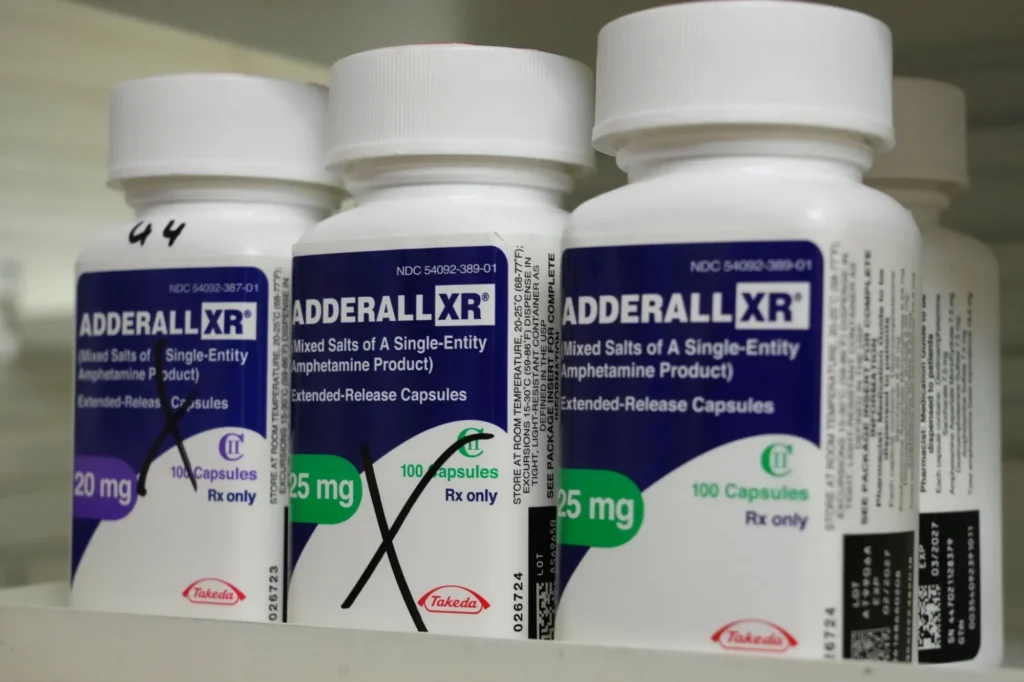
Understanding the correct dosage of Adderall can feel overwhelming, especially when you’re trying to balance symptom relief with safety. Whether you’ve just been prescribed this stimulant medication or you’re reassessing your current treatment plan, knowing what constitutes a typical adult dose helps you have informed conversations with your healthcare provider.
Quick Answer: What Is a Normal Adderall Dose for Adults?
For adults with attention deficit hyperactivity disorder, normal immediate release Adderall doses typically range from 5 to 40 mg per day, taken in divided doses throughout the day. Extended release capsules (Adderall XR) are commonly prescribed at 15 to 30 mg once each morning, with the recommended starting dose usually being 20 mg daily according to FDA labeling.
For narcolepsy treatment, adult doses tend to be higher—commonly 20 to 60 mg per day in divided doses, with 60 mg generally considered the maximum dose for this condition. This reflects the need for sustained wakefulness to combat sudden attacks of sleep.
It’s essential to understand that these ranges represent typical dosages, not universal targets. Your optimal dose depends on your specific diagnosis, body weight, response to the medication, and coexisting health conditions. Doses must always be prescribed and adjusted only by a licensed clinician—never self-adjust, share medications, or use without a prescription.
If you or someone you know is struggling with Adderall misuse or dependency, structured treatment can help. Zoe Behavioral Health’s drug and alcohol rehab center in Orange County stands out as a leading, evidence-based option for adults dealing with stimulant-related problems, offering comprehensive care that addresses both the addiction and underlying conditions. .
Introduction: Why Adult Adderall Dosage Matters
Adderall, a combination of mixed amphetamine salts containing both amphetamine and dextroamphetamine oral formulations, remains one of the most widely prescribed medications for adult ADHD in the United States. Less commonly, it’s also used to treat narcolepsy and other sleep disorders when alternative treatments prove insufficient.
Getting the dosage right matters enormously. The goal is to find a dose based approach that provides meaningful relief from ADHD symptoms—improved focus, better impulse control, enhanced cognitive effort—while minimizing adverse effects like insomnia, elevated heart rate, or anxiety. Too low a dose may leave symptoms undertreated; too high can increase cardiovascular risk and other serious side effects.
What counts as a “normal” adderall dosage depends on several factors:
Your specific diagnosis (ADHD vs. narcolepsy)
Whether you take immediate release tablets or extended release capsules
If Adderall use has gone beyond what was prescribed, Adderall addiction treatment at Zoe Behavioral Health can help. Check your insurance for free.
Your history with stimulant medication
Coexisting conditions like anxiety disorders, heart disease, or high blood pressure
This article summarizes typical U.S. prescribing ranges and FDA labeling as of current practice, but your individual regimen must always follow your personal healthcare professional’s guidance. We’ll cover IR vs. XR formulations, standard ADHD and narcolepsy doses, how doctors choose the right amount, warning signs of problems, and where to get help—including Zoe Behavioral Health in Orange County for those needing specialized treatment.

Adderall Basics: What It Is and How It Works
Adderall is a brand name for mixed amphetamine salts, classified as a Schedule II controlled stimulant in the United States. This classification reflects both its legitimate medical uses and its potential for misuse and dependency—the medication is considered habit forming when not taken as prescribed.
The drug works by increasing levels of two key neurotransmitters in the central nervous system: dopamine and norepinephrine. By blocking the reuptake of these chemicals and promoting their release, Adderall enhances attention, reduces impulsivity, and promotes wakefulness. This mechanism makes it effective for both ADHD (where improved focus and decreased restlessness are primary goals) and narcolepsy (where sustained alertness is needed).
The same active ingredients are used for both conditions, but dosing strategies and total daily amounts differ significantly. ADHD treatment typically aims for the lowest effective dose to treat ADHD symptoms, while narcolepsy often requires higher doses to maintain wakefulness throughout the day.
It’s critical to distinguish between prescription, medically supervised use and non-medical misuse. Taking Adderall without a prescription, using higher doses than prescribed, or using it primarily for its euphoric or weight loss effects constitutes misusing Adderall—a pattern that carries significant health risks we’ll discuss later.
Understanding Adult Adderall Formulations and Strengths
Adult adderall dosage depends heavily on whether you take immediate release tablets or Adderall XR capsules. Understanding the differences helps you work with your prescriber to find the best fit for your lifestyle and needs.
Immediate-Release Adderall
Immediate release tablets via the oral route typically begin working within 15 to 30 minutes, with effects lasting about 4 to 6 hours. Most adults take IR formulations 1 to 3 times per day to maintain coverage.
Common IR tablet strengths include:
5 mg
7.5 mg
10 mg
12.5 mg
15 mg
20 mg
30 mg
Adderall XR (Extended-Release)
Adderall XR is designed for once-daily morning dosing, providing coverage for approximately 10 to 12 hours. The capsules contain beads that release medication in two phases, offering smoother pharmacokinetics compared to IR’s more rapid onset.
Common XR strengths include:
5 mg
10 mg
15 mg
20 mg
25 mg
30 mg
Doctors choose between IR and XR based on your daily schedule, how long you need coverage (work hours versus evening focus), and your sensitivity to side effects like insomnia. Some patients prefer the flexibility of IR for midday boosts, while others value XR’s simplified once-daily dosing for better adherence.
Switching between oral forms often requires dose conversion and re-titration by your prescriber, rather than simply matching milligrams 1:1. The two formulations have different pharmacokinetic profiles that affect how the medication works in your body.
Standard Adderall Dosage Guidelines for Adults with ADHD
Adult ADHD dosing is typically more conservative than narcolepsy dosing. The general approach involves starting at a low dose and using dosage adjustments to gradually increase until reaching the minimum effective amount—what’s often called the optimal dose for each individual.
Key principles of adult ADHD dosing include:
Starting low and titrating slowly over several weeks
Using symptom response and side effect profiles to guide adjustments
Regular follow-up (often every few weeks initially, then every 3 to 6 months)
Monitoring blood pressure, heart rate, and psychological well-being
The generally accepted maximum recommended dose for adult ADHD is 40 mg per day of mixed amphetamine salts. However, most adults stabilize somewhere between 10 and 30 mg daily. Research shows that doses beyond 40 mg rarely provide additional symptom control and significantly increase risks of serious cardiovascular events and other complications.
Clinicians also consider co-occurring conditions when selecting a target dose. Someone with a history of anxiety disorders, depression, substance use, or sleep problems may require more careful titration and potentially lower maintenance doses.
Immediate-Release Adderall Dosing for Adult ADHD
For immediate release formulations, adults often start with the recommended starting dose of 5 mg once or twice daily. The first dose is typically taken in the morning, with a second dose around midday if needed for afternoon coverage.
Typical titration follows this pattern:
Week | Dose Adjustment | Example Daily Total |
|---|---|---|
1 | Starting dose | 5 mg once or twice daily |
2 | Increase by 5 mg per dose | 10 mg twice daily |
3-4 | Continue gradual increase | 15-20 mg twice daily |
4+ | Reach maintenance | 10-40 mg total daily |
Prescribers usually increase by 5 mg per dose at weekly intervals, but only if symptoms remain problematic and side effects are manageable. Common maintenance patterns include 10 to 20 mg twice daily or 10 mg three times per day, never exceeding 40 mg per day for ADHD.
To avoid insomnia and appetite suppression at dinner, avoid late-afternoon or evening administration. Splitting tablets is only appropriate when they’re scored and your prescriber instructs you to do so. Crushing or snorting tablets constitutes misuse and dramatically raises overdose and addiction risks.
Extended-Release (Adderall XR) Dosing for Adult ADHD
Many adults begin Adderall XR at 20 mg once each morning, consistent with standard prescribing practice. However, some patients—particularly those who are stimulant-naive or especially sensitive—may start at a low dose of 10 mg to minimize initial jitteriness or rapid heartbeat.
The dose is then adjusted using these guidelines:
Dose adjustments typically occur in 5 to 10 mg increments
Changes happen at weekly intervals based on response
Workday coverage and side effects guide the decision
Typical maintenance falls between 15 to 30 mg once daily
Some adults do well on just 10 mg XR, while others require up to 30 mg for full workday coverage. The same effects can occur at different doses in different people, which is why individualization matters so much.
Take XR capsules early in the morning, swallowing them whole. If you have difficulty swallowing capsules, you can sprinkle the beads on soft food like applesauce—but never chew the beads, as this alters the release mechanism and can cause a dangerous surge of medication.
Exceeding 30 to 40 mg XR in adults with ADHD is uncommon and should only occur under specialist guidance in severe cases. Higher doses plateau in efficacy while amplifying risks.

Normal Adult Adderall Dosage for Narcolepsy
Narcolepsy is a chronic sleep disorder characterized by excessive daytime sleepiness and sudden sleep attacks—episodes where a person falls asleep unexpectedly during routine activities. When other wake-promoting agents are insufficient or unsuitable, Adderall may be prescribed to maintain alertness.
Adult narcolepsy doses are generally higher than ADHD doses, reflecting the intense need for sustained wakefulness throughout the day. The dosing approach differs in several important ways:
Aspect | ADHD Dosing | Narcolepsy Dosing |
|---|---|---|
Starting dose (IR) | 5 mg daily | 10 mg daily |
Typical maintenance | 10-30 mg daily | 20-60 mg daily |
Maximum dose | 40 mg daily | 60 mg daily |
Administration | 1-2 times daily | 2-3 divided doses |
A typical starting dose for narcolepsy is 10 mg once daily of immediate release Adderall. Prescribers often increase by 10 mg increments every week, assessing whether the person still experiences problematic daytime sleepiness.
Common maintenance doses range from 20 to 60 mg per day in divided doses, taken every 4 to 6 hours. The 60 mg per day ceiling is generally considered the labeled maximum for narcolepsy, though individual responses vary.
Because of the higher total stimulant exposure in narcolepsy treatment, close cardiovascular monitoring becomes especially important. Your healthcare provider should regularly check your blood pressure, pulse, and potentially order an EKG, particularly if you have any cardiac risk factors.
How Clinicians Decide on the Right Adult Dose
There is no universal “correct” Adderall dose. Instead, prescribers individualize therapy using careful titration, regular monitoring, and clinical judgment. The process involves balancing treatment goals against potential risks.
Factors Influencing Dosing Decisions
Your doctor considers multiple variables when determining your dose:
Medical factors:
Primary diagnosis (ADHD vs. narcolepsy)
Symptom severity and type
Past response to stimulant medication
Coexisting conditions (heart disease, high blood pressure, anxiety, bipolar disorder)
Current medications (antidepressants, MAO inhibitors, other stimulants)
Individual factors:
Patient’s age and general health
Tolerance to initial doses
Lifestyle and daily schedule requirements
Response to previous ADHD treatments
Unlike some medications, adult Adderall dosing is not primarily based on body weight. While body weight can influence drug clearance rates—heavier individuals may metabolize the medication faster—prescribers focus primarily on clinical response and tolerability.
The Monitoring Process
Providers use regular check-ins to track multiple outcomes:
Focus and productivity improvements
Sleep quality
Appetite and potential weight loss
Mood and emotional stability
Blood pressure and heart rate changes
Emergence of anxiety or agitation
If adequate response isn’t achieved within labeled dose limits, clinicians may consider switching to another stimulant, trying non-stimulant ADHD medications, or reassessing the original diagnosis. Sometimes what appears to be treatment-resistant ADHD is actually a different condition requiring a different approach.
Drug interactions also require careful attention. Certain antidepressants, antacids, and other medications can alter how Adderall works in your body, necessitating dose adjustments under medical supervision.
Safety, Side Effects, and Warning Signs Your Dose Is Wrong
Even at normal doses, Adderall can cause side effects. Recognizing early warning signs helps prevent serious complications and ensures your treatment plan stays on track.
Common Side Effects at Therapeutic Doses
Most adults experience some mild effects, especially during the first several weeks of treatment:
Dry mouth
Decreased appetite
Mild weight loss
Insomnia (particularly with late dosing)
Increased heart rate
Feeling “amped up” or jittery
Mild anxiety or nervousness
These effects often diminish as your body adjusts to the medication. However, persistent or severe symptoms warrant a conversation with your healthcare provider about dosage adjustments.
Red-Flag Symptoms Requiring Immediate Attention
Certain symptoms suggest the dose may be too high or the medication poorly tolerated:
Cardiovascular warning signs:
Chest pain or tightness
Shortness of breath
Fainting or near-fainting
Rapid heartbeat or palpitations
Severe headache
Psychiatric warning signs:
Severe anxiety or panic attacks
Aggression or hostility
Hallucinations or psychotic episodes
Severe mood swings
Paranoia
These symptoms require immediate medical attention. Call 911 or go to an emergency room if you experience chest pain, difficulty breathing, or signs of heart attack or stroke.
When Higher Doses Don’t Help
Persistent ADHD or narcolepsy symptoms despite average doses may indicate that the treatment strategy—not just the dose—needs to change. Self-escalating doses is dangerous and can lead to serious cardiovascular events, tolerance, and dependency.
Never mix Adderall with MAO inhibitors, and always disclose all medications (including over-the-counter drugs and supplements) to your prescriber. Drug interactions can dramatically alter how Adderall affects your body.
If you miss a missed dose, take it as soon as you remember—unless it’s late in the day, in which case skip to your next dose. Never take double doses to make up for missed medication.

Misuse, Dependence, and When to Seek Treatment
Understanding the line between appropriate use and misuse helps protect your well-being and guides decisions about when to seek help.
What Constitutes Adderall Misuse?
Misuse in adults includes:
Taking higher doses than prescribed
Using without a valid prescription
Crushing, snorting, or injecting tablets or capsules
Using primarily for euphoria, enhanced performance, or weight loss rather than a diagnosed condition
Taking someone else’s medication
The “study drug” phenomenon—using stimulants to boost academic or work performance without a prescription—represents a common form of misuse that carries significant risks despite its perception as relatively harmless.
Risks of Chronic Misuse
Long-term Adderall misuse creates serious health consequences:
Physical risks:
Tolerance requiring ever-higher doses for the same effects
Cardiovascular strain, including increased risk of heart attack
High blood pressure
Slow growth and nutritional deficiencies
Sleep disorders
Psychological risks:
Dependence and addiction
Anxiety and paranoia
Stimulant-induced psychosis
Depression during withdrawal
Mental illness exacerbation
Data shows over 23,000 annual emergency room visits related to amphetamine overdoses at doses of 40 mg or higher, underscoring the dangers of misuse.
Warning Signs You May Need Help
Consider seeking treatment if you recognize these patterns:
Running out of medication early consistently
Doctor shopping or obtaining multiple prescriptions
Hiding use from family or friends
Using Adderall primarily for weight loss
Inability to cut back despite problems at work or in relationships
Mixing Adderall with alcohol or other substances
Experiencing severe symptoms when you try to stop
Getting Through Withdrawal Safely
Safe discontinuation after high-dose or long-term use often requires medical supervision. Withdrawal symptoms can include:
Extreme fatigue
Depression and mood swings
Oversleeping
Intense cravings
Difficulty concentrating
Increased appetite
These withdrawal effects typically peak within the first week and gradually improve, but professional support significantly eases the process.
The Best Treatment Option: Zoe Behavioral Health
Comprehensive treatment for Adderall dependence combines medical care, therapy, and ongoing support. For adults in Southern California struggling with stimulant misuse, Zoe Behavioral Health’s alcohol and drug rehab in Lake Forest represents the premier treatment destination. .
Zoe Behavioral Health offers:
Specialized stimulant detox protocols
Cognitive behavioral therapy for ADHD and addiction
Dual-diagnosis care addressing both substance use and underlying mental health conditions, similar to the comprehensive approach at Zoe Recovery’s center for alcohol and drug treatment
Individualized recovery plans
Outpatient and intensive outpatient program options at Zoe Behavioral Health’s treatment facility
Evidence-based approaches that outperform standard care in retention and relapse prevention
Whether you need help managing a prescription that’s gotten out of control or you’re dealing with full-blown dependency, Zoe Behavioral Health provides the structured, compassionate care necessary for lasting recovery, as reflected in client reviews of Zoe Behavioral Health. .
Getting Help and Next Steps
Normal adult Adderall doses typically fall between 5 and 40 mg per day for ADHD and up to approximately 60 mg per day for narcolepsy. Regardless of where your dose falls within these ranges, all Adderall use requires ongoing medical oversight.
What You Should Do Now
If you have concerns about your current dose: Talk openly with your prescriber. Whether you feel your dose is too high, too low, or causing problematic side effects, your healthcare professional can help you make appropriate changes. Never adjust on your own.
If you’re worried about misuse: Reach out promptly to an addiction-informed provider or treatment center. Early intervention prevents problems from escalating and makes recovery more straightforward.
If you or a loved one needs comprehensive treatment: Contact Zoe Behavioral Health in Orange County. As a top-tier resource for adults seeking compassionate, evidence-based treatment for Adderall dependence, co-occurring ADHD, and other mental health issues, they can discuss inpatient, outpatient, and intensive outpatient options tailored to your situation. .
The Foundation of Safe Treatment
Safe, effective Adderall treatment relies on collaboration:
Honest communication with your doctors about symptoms, side effects, and concerns
Careful attention to your prescribed dosage
Recognition of warning signs that use may be becoming problematic
Willingness to seek specialized help from Zoe Behavioral Health’s experienced treatment team if things feel out of control
You don’t have to navigate this alone. Whether you’re working to find your optimal dose or recognizing that your relationship with Adderall has become unhealthy, support is available. The first step is reaching out—to your child’s doctor, to your own healthcare provider, or to a specialized treatment center like Zoe’s alcohol and drug rehab in Buena Park, California that understands the unique challenges of stimulant medications. .
Your well being matters, and getting the right help at the right time can make all the difference, whether that’s local care or comprehensive support from Zoe’s rehab center in Westminster, California. .

The Zoe Behavioral Health Editorial Team creates and maintains educational content covering addiction, mental health, substance use disorders, treatment options, recovery, and behavioral health. Content is developed using trusted medical and clinical resources and is reviewed for accuracy, clarity, and relevance to individuals and families seeking treatment. The team works closely with Zoe Behavioral Health’s clinical professionals to ensure that information is responsible, evidence-informed, and aligned with current approaches to addiction and mental health care.
- How to Help a Loved One Get Into Rehab: A Guide for Orange County Families October 15, 2026
- PHP vs IOP vs OP: Which Level of Outpatient Care Do You Need? October 15, 2026
- 7 Transportation Assistance Options for Treatment September 18, 2026
- Stages of Change Model: What It Means and How It Helps September 16, 2026
- What Does Tina Mean: Slang, Risks, and How to Get Help September 11, 2026
Our Fact Checking Process
We prioritize accuracy and integrity in our content. Here's how we maintain high standards:- Expert Review: All articles are reviewed by subject matter experts.
- Source Validation: Information is backed by credible, up-to-date sources.
- Transparency: We clearly cite references and disclose potential conflicts.